

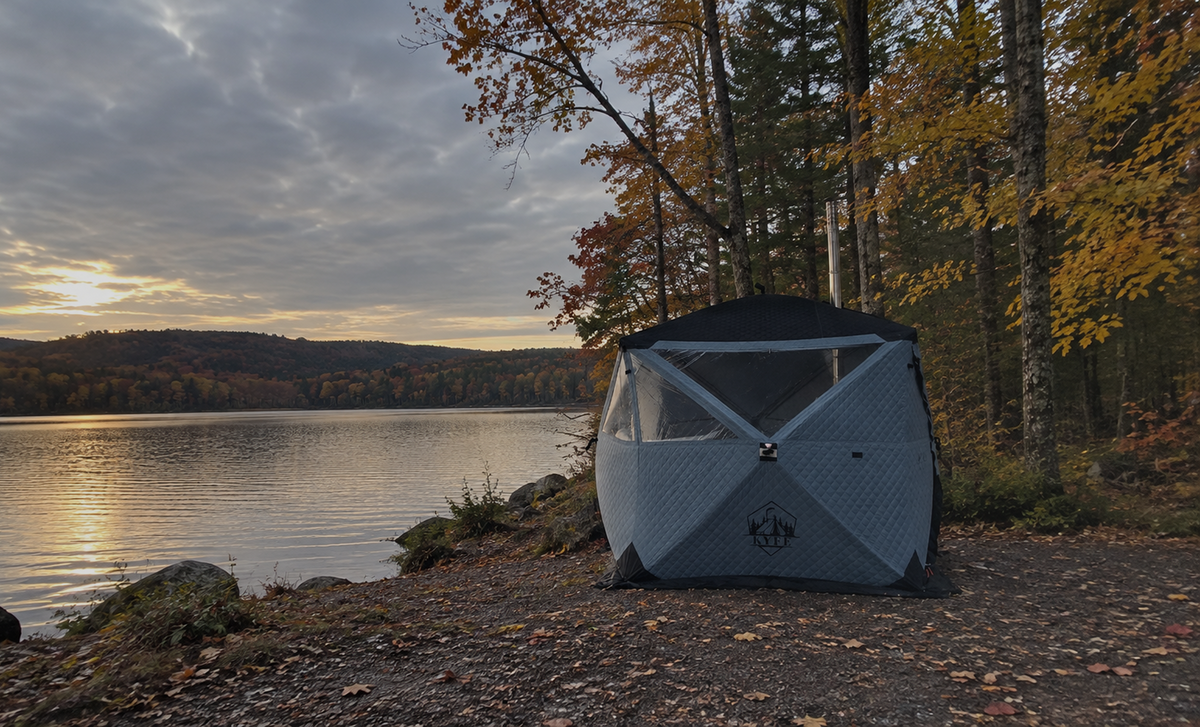
Portable saunas have moved from novelty to legitimate heat therapy tool. Whether you rent an apartment, live in a condo, or just don't want to spend five figures on a cedar cabin, this guide breaks down every type, compares real specs and costs, and helps you pick the right setup for your space, body, and budget.
Quick Answer: Are Portable Saunas Worth It for Home?
Yes. In 2026, portable saunas deliver real sauna-level heat and measurable health benefits at a fraction of what a permanent build costs. Portable sauna units are generally less expensive than permanent installations, such as built-in saunas; most indoor models run $400 to $900, while a fixed outdoor sauna cabin starts at $5,000 and often requires electricians, permits, and foundation work.
The practical advantages stack up fast: small footprint, no special wiring or tools needed for setup, quick assembly, and the ability to use them in apartments or rented homes. Portable saunas are often cheaper than traditional wooden saunas even when you factor in years of operating costs.
If you want authentic Finnish steam rather than indoor infrared heat, wood-fired sauna tents like KYFE's models reach 180 to 200°F and pair with a backyard cold plunge for full contrast therapy.
Who a portable sauna fits:
-
Busy professionals looking to unwind after a long day without a gym commute
-
Recovery-focused athletes who need consistent heat therapy and muscle recovery
-
Renters and small-space dwellers with limited space for permanent installations
-
Families or friend groups who want a social outdoor sauna experience on weekends
What Is a Portable Sauna for Home?
A portable sauna is a movable heat cabin, pod, tent, or blanket designed to deliver sauna-level heat therapy without permanent construction. Portable saunas can be stored easily and used without the need for permanent installation, and they can be set up in various locations: a spare room, garage, basement, deck, or backyard.
Portable saunas provide space-saving relaxation solutions compared to traditional installations. The main formats include:
-
Indoor infrared sauna pods: freestanding fabric or hard-shell enclosures with electric infrared panels that warm the body directly
-
Infrared sauna blankets: foldable, zip-in mats where you lie down with your head outside the blanket
-
Steam sauna tents: compact fabric tents connected to a small steam generator for moist heat
-
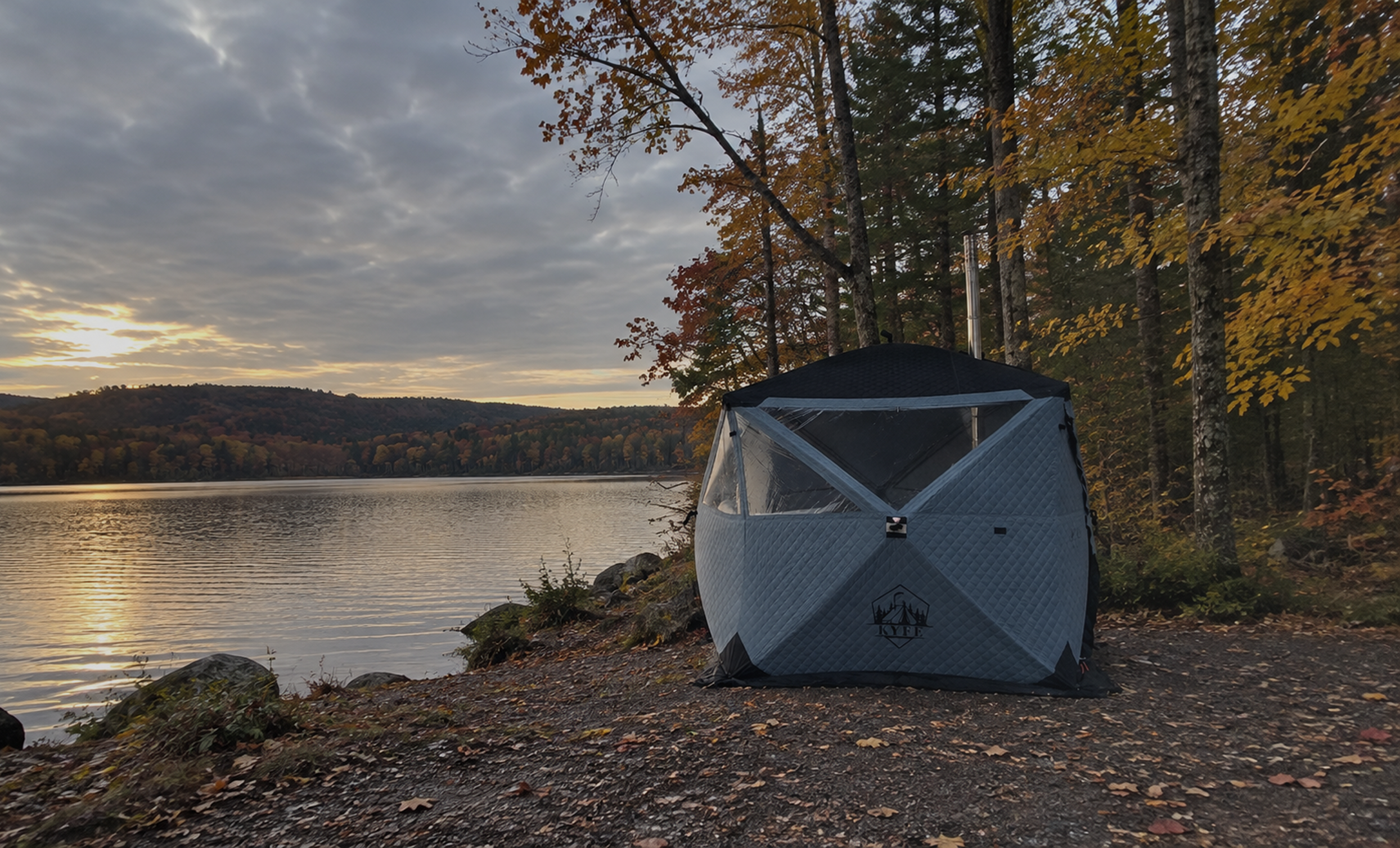
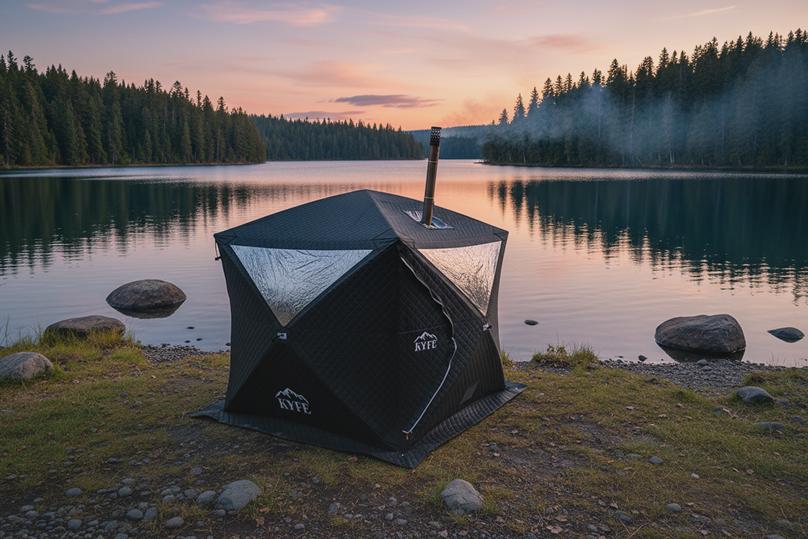
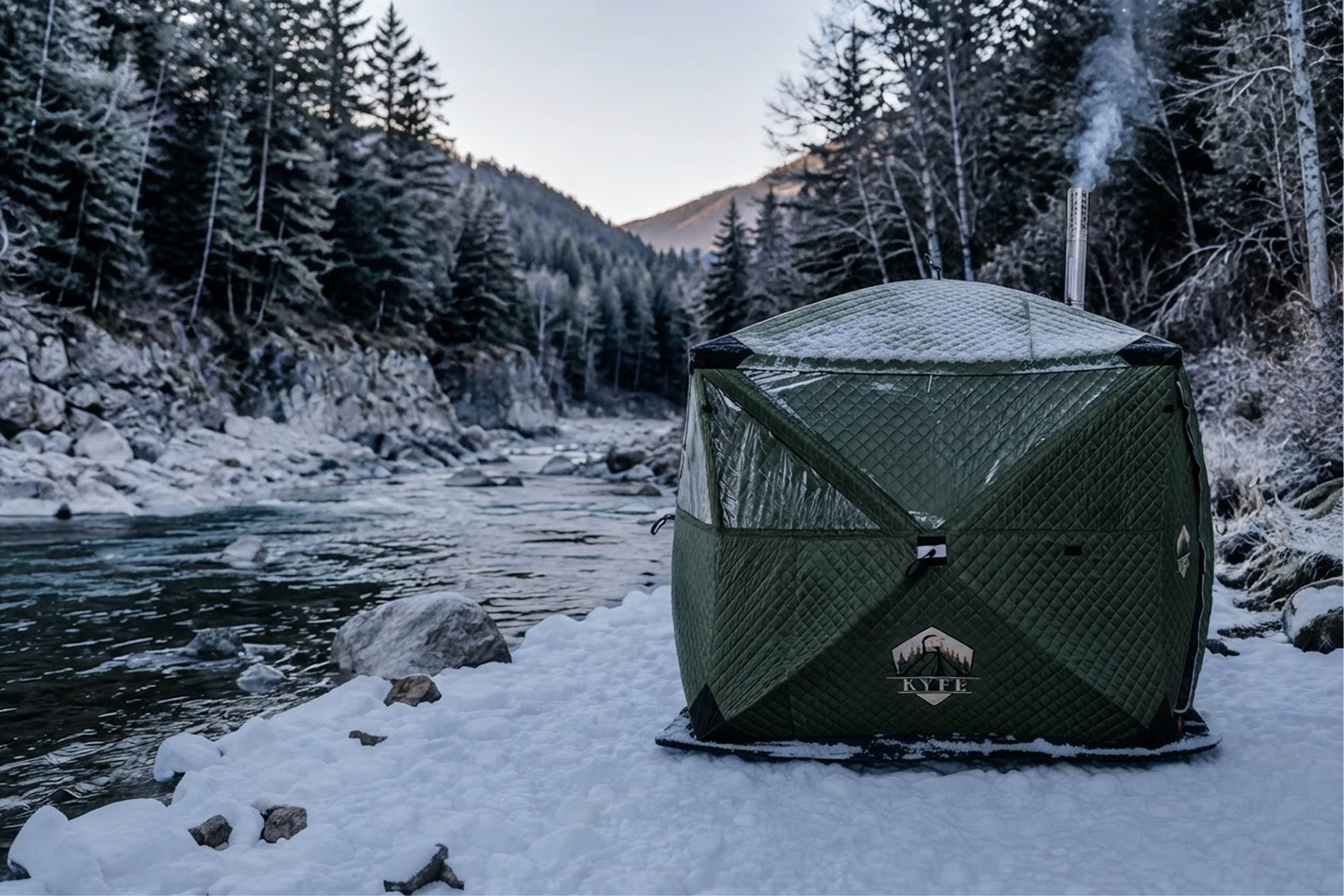
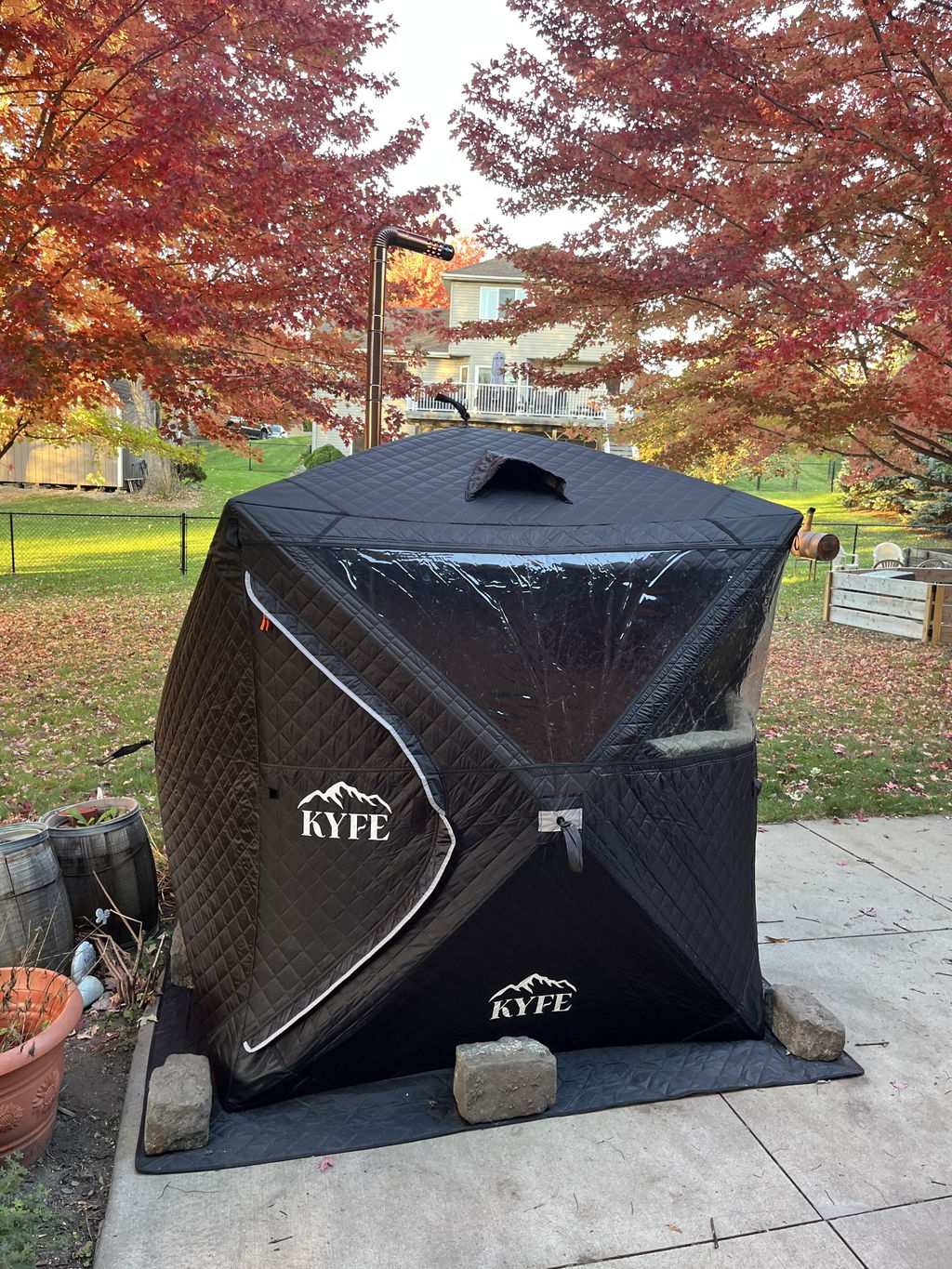
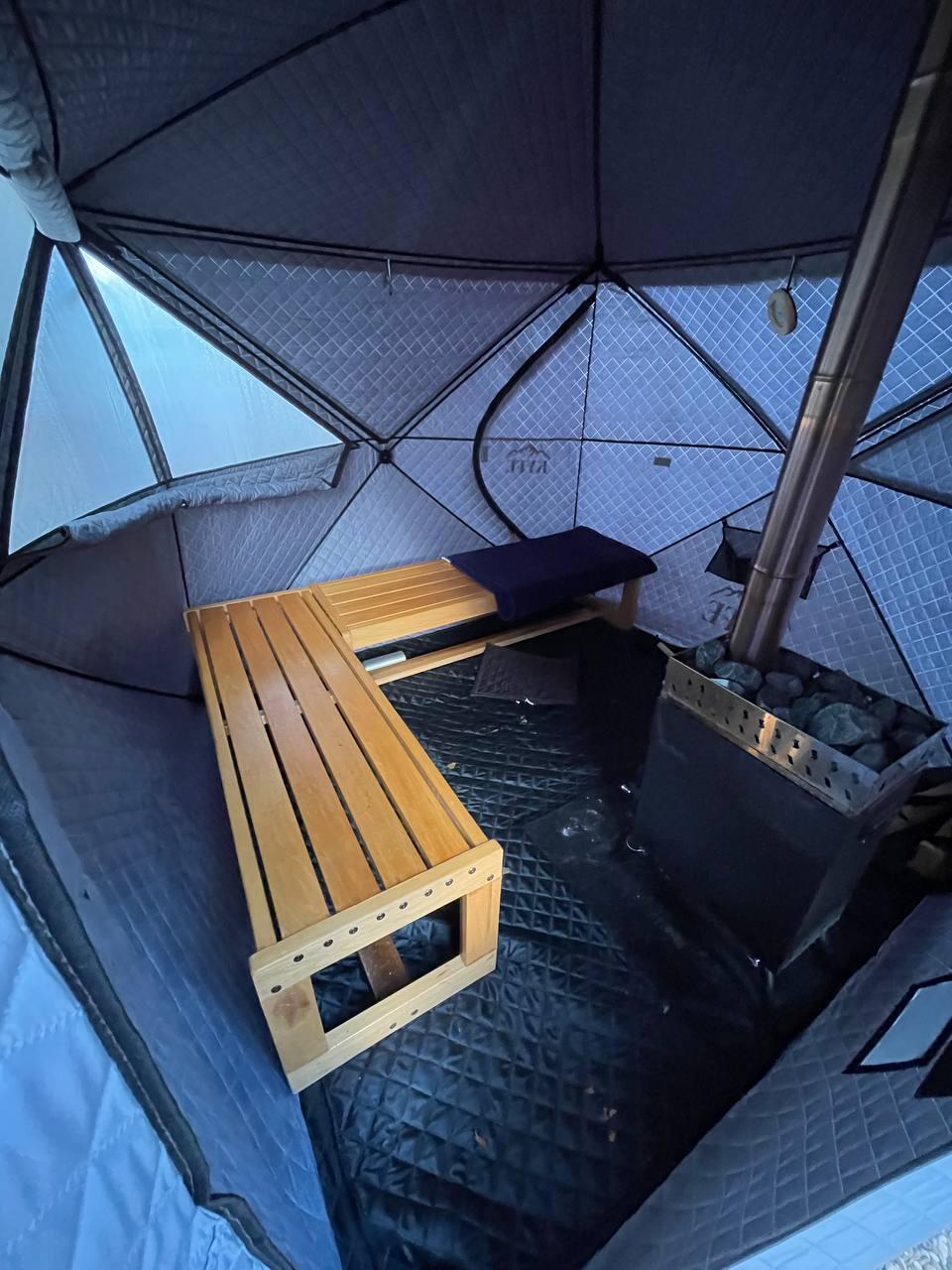
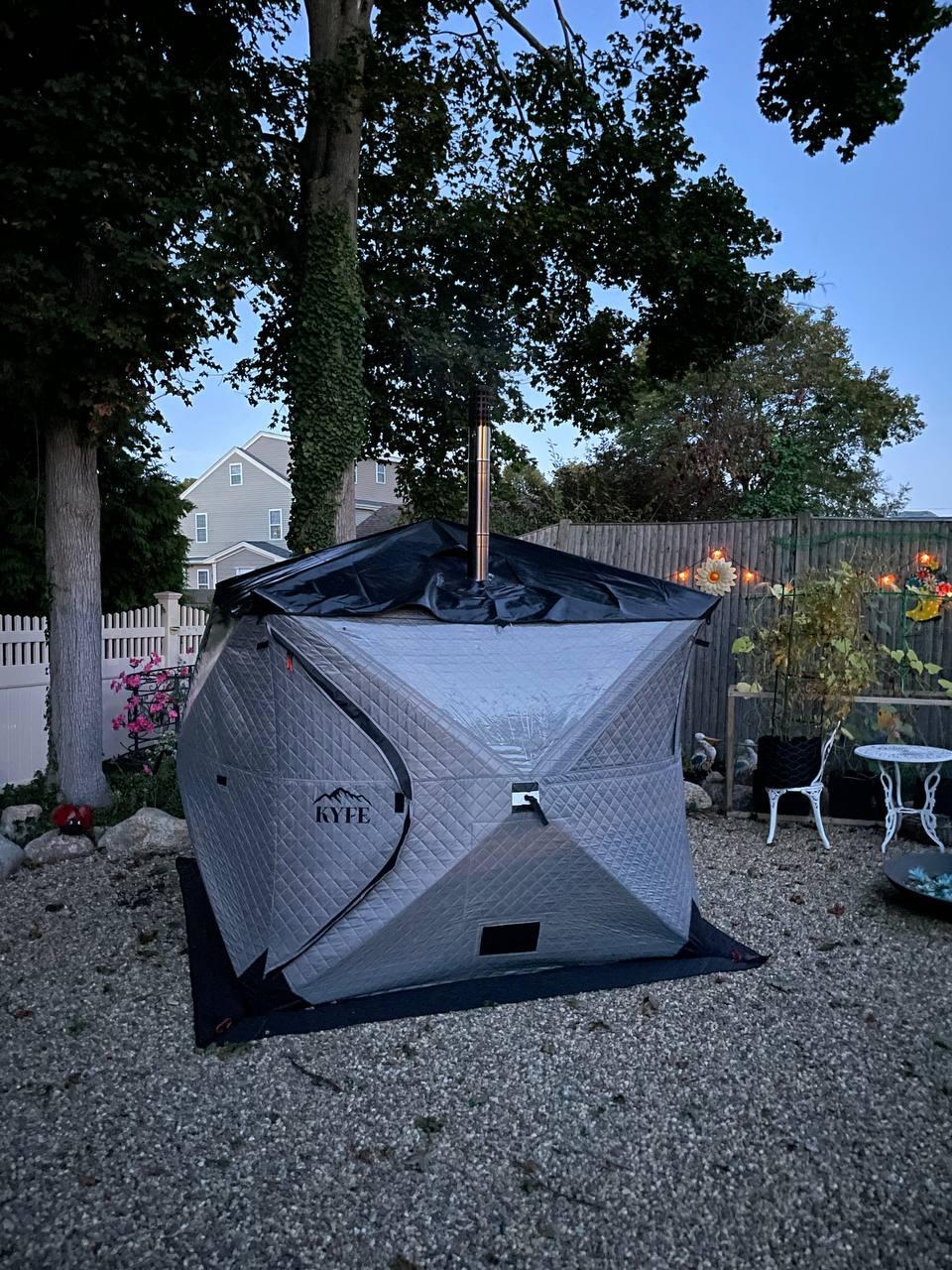
Wood-fired outdoor sauna tents: insulated fabric structures with a stainless steel stove and rock basket, producing authentic Finnish steam
Typical capacity ranges from 1 to 2 people for indoor portable saunas up to 6 to 8 people for larger outdoor tent saunas. Most indoor units fold or roll into a carry bag or storage bag, while outdoor tent kits pack into duffels with detachable stoves and collapsible frames. Portable saunas typically heat up in 10 to 20 minutes for electric models, with wood-fired tents reaching full temperature in about 20 to 30 minutes.
Health Benefits of Portable Saunas and Heat Therapy
A systematic review of regular sauna bathing covering both Finnish and infrared sauna studies found improvements in cardiovascular health, blood pressure regulation, rheumatological symptoms, and exercise performance. Portable sauna benefits include muscle recovery and stress relief from heat exposure, provided you use them consistently.
Here is what the research supports:
-
Circulation and cardiovascular conditioning: Heat stress releases nitric oxide and improves vascular endothelial function, supporting blood pressure regulation over time
-
Muscle soreness and recovery: A 2025 study on athletes found repeated post-exercise infrared sauna sessions over three weeks improved neuromuscular performance and reduced muscle soreness
-
Stress reduction: Sauna use decreases the stress hormone cortisol, and regular users report calmer mood and ability to reduce stress throughout the week
-
Sleep: Sauna sessions can improve sleep quality by up to 15%, based on subjective and objective sleep measures in heat therapy studies
-
Immune support: Saunas can boost immune function by increasing body temperature, triggering heat shock protein production
-
Calories: Saunas can burn between 100 to 200 calories per hour through elevated heart rate and sweating
-
Inflammation: Heat exposure in saunas reduces inflammation and supports recovery, particularly useful after intense training
Regular sauna use promotes intense sweating for detoxification through the skin, though your liver and kidneys remain the primary detox organs. Avoid exaggerated "detox" claims; the real, repeatable benefits are cardiovascular, sleep, and recovery-related.
Sessions of 15 to 25 minutes, three to four times per week, are the most commonly studied protocol. Beginners should start at 10 to 15 minutes and build up as heat tolerance improves.
Portable Sauna vs Traditional Indoor and Outdoor Sauna
The core question is whether a portable sauna delivers enough heat and immersive heat quality to replace a traditional sauna. The answer depends on what you prioritize.
Traditional saunas typically reach temperatures around 185°F using heated rocks and steam for heat. They offer thick walls, cedar aroma, built-in benches, and social capacity for groups. Quality wood-fired outdoor sauna tents like KYFE's reach 180 to 200°F with real Finnish steam (löyly) when water is thrown on heated rocks; some portable saunas can reach temperatures up to 220°F in optimal conditions.
Indoor portable infrared units top out lower. Infrared saunas usually max out around 160°F, with the air staying warm rather than hot. The heat reaches your body through radiation rather than convection, which makes the sauna experience feel different; less intense heat in the room, but steady penetrating warmth.
|
Feature |
Traditional Fixed Sauna |
Portable Infrared Pod |
Wood-Fired Sauna Tent |
|---|---|---|---|
|
Temperature range |
160-195°F |
120-165°F |
180-220°F |
|
Humidity/steam |
Yes (löyly) |
No |
Yes (löyly) |
|
Installation |
Electrician, permits, foundation |
Plug into standard outlet |
Flat ground, chimney clearance |
|
Upfront cost |
$5,000-$15,000+ |
$600-$1,000 |
$1,200-$1,800 |
|
Portability |
None |
Folds/rolls |
Packs into duffel |
If you rent, move often, or have limited space, a portable setup avoids the sunk cost of permanent construction. Homeowners building a long-term wellness retreat may prefer a fixed cabin.
Types of Portable Saunas for Home
The best portable saunas for your home depend on which format matches your space, heat preference, and budget. Portable sauna types mainly include infrared blankets, steam tents, and rigid pods, plus wood-fired outdoor tent saunas.
Infrared sauna pods and cabins
Freestanding enclosures with carbon or ceramic infrared panels that heat the body directly. While these indoor infrared sauna pods offer a convenient way to experience heat therapy, they typically max out around 160°F and provide a less immersive heat experience compared to traditional saunas. Setup is generally quick and requires no tools, making them suitable for compact spaces and daily use. However, they lack the authentic Finnish steam and intense heat that KYFE's wood-fired sauna tents deliver. KYFE's tents reach up to 200°F with real löyly (steam) from heated rocks, creating a deeper, more traditional sauna experience. Designed for outdoor use, KYFE's sauna tents offer spacious capacity for social sessions and contrast therapy, combining superior heat quality, natural materials, and portability that indoor infrared pods cannot match. For those seeking true sauna benefits, KYFE's wood-fired tents remain the premier choice for home heat therapy.
Infrared sauna blankets
Zip-in, foldable mats designed for one person lying down, head outside. Infrared blankets typically reach temperatures of 167°F to 175°F. They store under a bed or in a closet and suit ultra-compact living situations. A sauna blanket is the most space-efficient option but offers the least social or immersive experience. KYFE has a detailed comparison of sauna blankets vs full saunas worth reading.
Steam sauna tents
Portable steam saunas can create high humidity environments for a traditional sauna experience. The SaunaBox SmartSteam Pro reaches about 140°F with moist heat and comes with a 1-year warranty. These work best in bathrooms or basements with moisture-tolerant surfaces.
Wood-fired outdoor sauna tents
Insulated fabric structures with a stainless steel stove and rock basket, delivering authentic Finnish steam outdoors. KYFE's tents fit 6 to 8 people, reach 200°F in under 30 minutes, and require no electricity. The stainless steel pole frame and quilted insulation walls maintain intense heat even in sub-freezing weather.
Infrared Saunas, Red Light, and Red Light Therapy
An infrared sauna uses near, mid, or far-infrared light panels to warm the body directly without warming the air to extreme levels. Infrared saunas typically operate at lower air temperatures while warming the body, usually between 120 and 150°F felt air temperature. Infrared saunas typically have a faster heat-up time compared to steam saunas; most infrared saunas can take 10 to 20 minutes to reach full heat versus 30+ minutes for traditional setups.
The InfraPod reaches 160°F with infrared coverage across the full body. For users who find high temperatures uncomfortable, infrared provides a gentler entry to heat therapy while still raising heart rate and triggering sweating.
Some premium infrared units integrate dual-wavelength red light therapy using ~660nm (red) and ~850nm (near-infrared) wavelengths to target skin health, muscle recovery, and mitochondrial function. This is distinct from decorative red light LEDs that some cheaper units include for ambiance. True red light therapy requires specific wavelengths, irradiance levels, and exposure durations to produce measurable results.
KYFE focuses on hot-air and steam-style outdoor sauna tents rather than infrared, but many customers pair their backyard wood-fired tent with a compact indoor infrared unit for daily use during the workweek.
Indoor Portable Sauna vs Outdoor Sauna Tent
"Portable sauna for home" splits into two distinct categories: an indoor pod or blanket you plug in near your bed or home gym, and an outdoor sauna tent set up in your yard or on a deck.
Space: Indoor units need roughly 3×3 to 4×4 feet of floor space near a standard outlet. Outdoor tents need a level patch of ground plus chimney clearance for wood-fired models, and access to firewood storage nearby.
Lifestyle fit: Indoor portable saunas excel for nightly 20-minute solo sessions; a user friendly interface on most electric models means pressing a button and waiting. Outdoor tent saunas shine for weekend rituals, social gatherings with 4 to 8 people, and cold-weather enjoyment where the contrast between hot tent and cold air amplifies the experience.
Ambiance: Indoor solutions are practical and quiet; a relaxing way to unwind. Outdoor tents deliver ritual, campfire atmosphere, and authentic Finnish steam. Throwing water on heated rocks and feeling the löyly rush is an experience indoor infrared cannot replicate.
Seasonality: Outdoor sauna tents perform especially well in cold climates. KYFE's insulated tents with integrated floor skirts handle sub-freezing temperatures, turning winter nights into peak sauna season. Indoor pods are 365-day options regardless of weather, with no cold spots from wind or temperature drops.
Portable Sauna and Cold Plunge: Contrast Therapy at Home
Contrast therapy alternates between hot and cold environments to train the cardiovascular and nervous systems. Cold reduces swelling and numbs pain during therapy, while heat encourages healing and increases flexibility in therapy. Combined, contrast therapy maximizes physiological benefits for recovery.
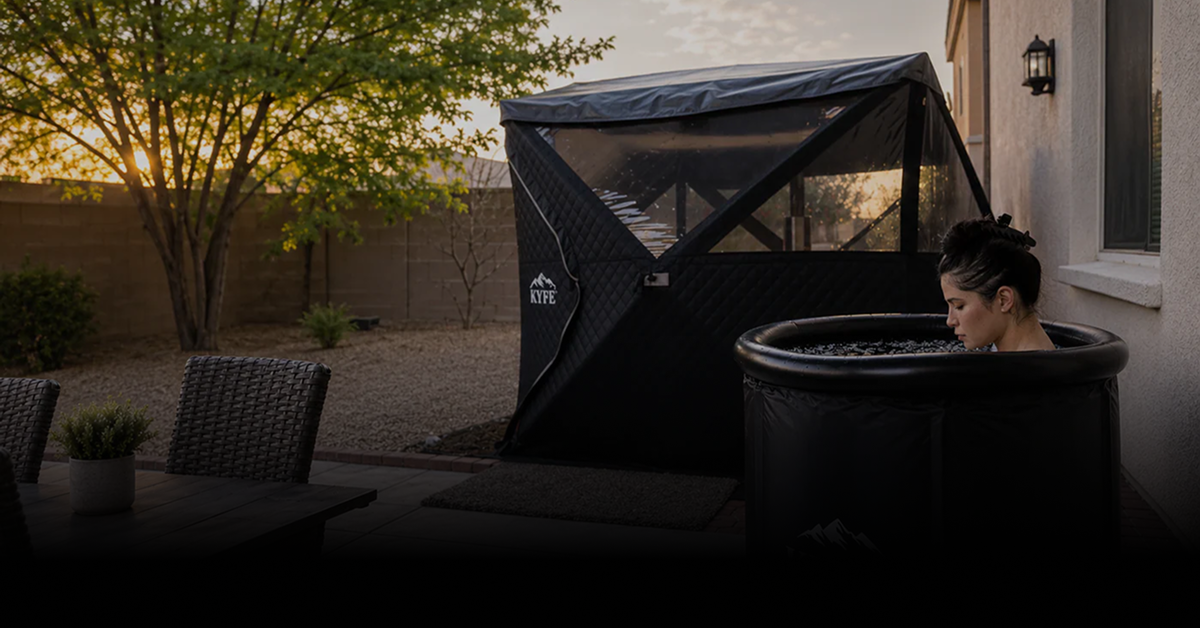
A home portable sauna routine paired with an ice bath or cold plunge tub recreates spa-level contrast therapy. People seek this for reduced inflammation, faster muscle recovery, improved mood, and better resilience to everyday stress. For a deep dive into contrast protocols, KYFE's guide covers timing and temperature in detail.
KYFE includes a free cold plunge tub with its wood-fired sauna tent kits, making it straightforward to build a complete heat and cold therapy setup in your backyard.
Beginner protocol:
-
Spend 10 to 15 minutes in the sauna at 170 to 200°F
-
Transition to 1 to 3 minutes in cold water (50 to 59°F)
-
Repeat for 2 to 3 rounds as tolerated
-
End on cold for alertness or on heat for relaxation and sleep
Consult a healthcare provider before starting intense heat and cold contrast routines if you have cardiovascular concerns.
How to Choose the Best Portable Sauna for Your Home
Before purchasing a portable sauna, consider space requirements and heating methods. This is where you narrow down which of the many other options fits your home, body, and budget.
Key decision factors:
-
Space: Measure your available area. Indoor pods need 9 to 16 square feet; outdoor tents need 30+ square feet of flat ground
-
Heat type: Infrared for gentle, dry heat; steam for humid, traditional feel; wood-fired for intense heat and authentic löyly
-
Budget: Blankets from $400; pods from $600; wood-fired tent kits from $1,200+
-
Temperature: Do you want 140°F or 200°F? The sauna experience differs at each level
-
Capacity: Solo daily sessions vs group weekend rituals
-
Frequency of use: Frequent sauna use (3+ times per week) justifies higher upfront investment
Check build quality and durability: sturdy frames, insulated walls, zipper quality, and heater or stove reliability. Longer warranty coverage and accessible customer service matter for gear you'll use hundreds of times.
Safety features to verify: overheat protection on electric units, proper ventilation design, and safe stove clearances for wood-fired models. Setup guides, replacement parts availability, and responsive support round out the picture.
Are Portable Saunas Worth It? Cost, Value, and Running Expenses
Are portable saunas worth the money for most households? If you use one three or more times per week, yes. The math works in your favor compared to gym or spa memberships that offer sauna access, and a portable sauna can also be a practical way to test whether regular sauna use actually fits your routine before you commit to a permanent build.
Purchase prices in 2026:
|
Type |
Price Range |
Serves |
|---|---|---|
|
Sauna blanket |
$400-$600 |
1 person |
|
Indoor infrared pod |
$600-$1,000 |
1-2 people |
|
Wood-fired outdoor sauna tent kit |
$1,200-$1,800 |
2-8 people |
Operating costs: Electric infrared units draw 1,000 to 1,800 watts. A 30 to 40 minute sauna session costs roughly $0.25 to $0.75 depending on local electricity rates. Monthly cost at four sessions per week: $4 to $12 for infrared. Wood-burning stoves require firewood but zero electricity. For a full breakdown of sauna costs, KYFE's cost guide covers purchase, fuel, and long-term ownership.
Compare that to a $50 to $150/month gym membership that includes sauna access. Over 12 months, even the most expensive portable sauna tent kit pays for itself if you use it consistently. Frequent sauna use also builds the wellness habit because the sauna is steps away, not a 20-minute drive.
Portability adds resale and relocation value. Moving to a new apartment or house? Fold your sauna into a carry bag and take it with you. No demolition, no sunk cost.
Using a Portable Sauna Safely at Home
Portable saunas involve high temperatures and must be used with care. Health risks associated with sauna use include dehydration and lightheadedness, both preventable with simple precautions.
Core safety guidelines:
-
Staying properly hydrated is key when using a portable sauna, as you can lose a lot of fluids through sweating. Drink 16 to 24 oz of water before and after your session. To help replenish electrolytes lost during sweating, many people find using KYFE's Sauna Method Electrolytes beneficial for maintaining balance and hydration.
-
Avoid alcohol before or during sauna use
-
Start with shorter sessions of 10 to 15 minutes and gradually increase as your body adjusts
-
Pay attention to how you feel-Pay attention to how you feel during your sauna sessions. If you experience dizziness, nausea, or confusion, it’s best to step out immediately as these symptoms can indicate overheating or dehydration. Listening to your body is crucial for safe sauna use. Beginners should limit their sessions to 10-15 minutes initially, gradually increasing the duration as their heat tolerance improves. This gradual approach helps the body adapt safely to the heat stress.
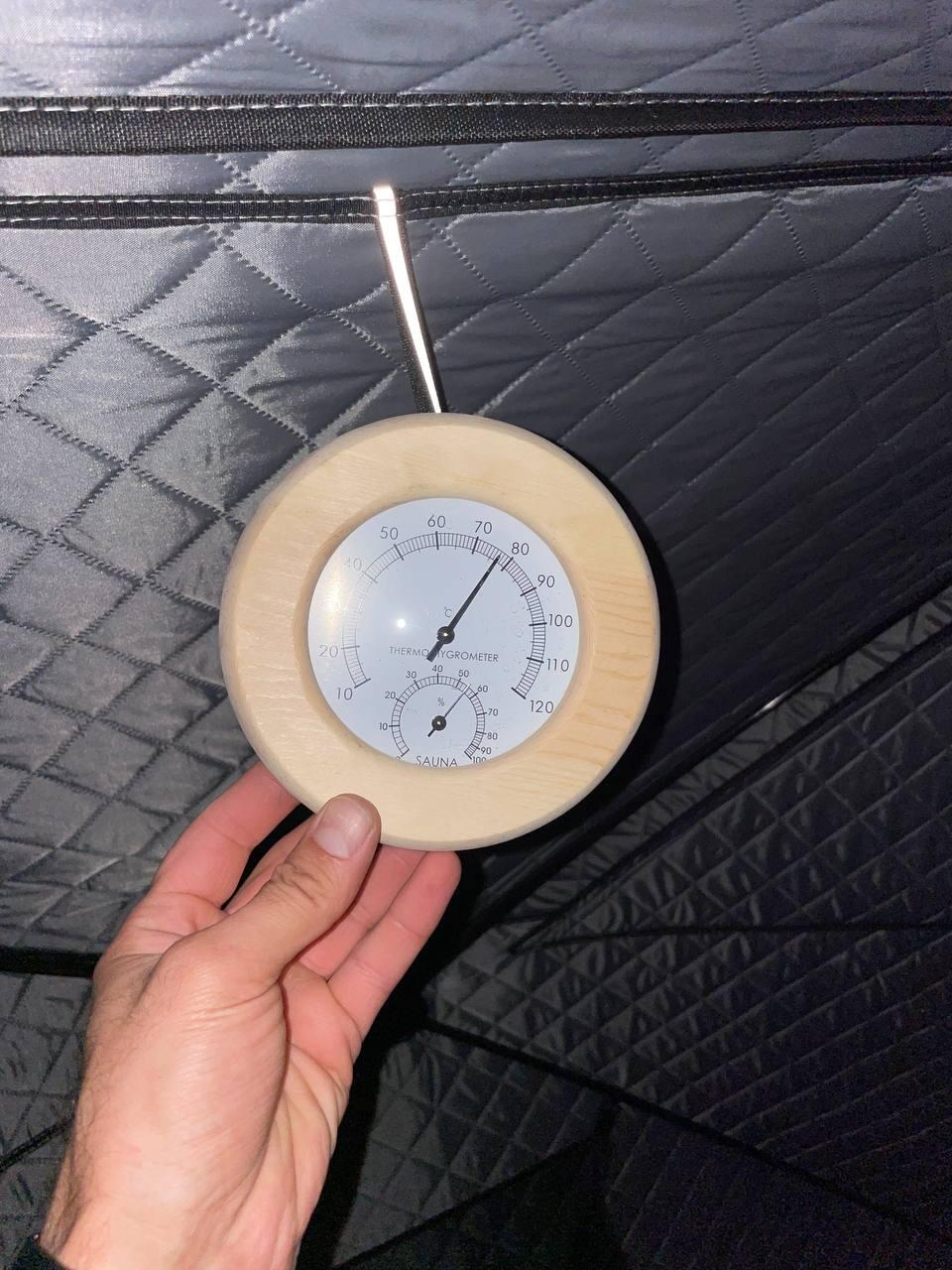
It is also advisable to avoid using a sauna alone, especially if you are new to it or have any health concerns. Having someone nearby can provide assistance if needed. Keeping a timer handy helps monitor your session length precisely, as overstaying can lead to adverse effects. Additionally, using a thermometer to ensure the sauna temperature remains within a safe range adds an extra layer of safety.
Taking breaks between sauna rounds to cool down and rehydrate properly is essential. Avoid heavy meals before sauna use to prevent discomfort or nausea, and dress lightly or use a towel inside the sauna to allow your skin to breathe. Proper ventilation in the room or area where the sauna is used is important to avoid excessive heat buildup outside the sauna.
Certain groups, such as children, pregnant women, and people with chronic health conditions, should consult a healthcare professional before using a sauna. Never use a sauna under the influence of alcohol or recreational drugs, as these impair judgment and increase health risks. After exiting the sauna, cool down gradually rather than abruptly to avoid shock to your system.
Maintaining electrolyte balance by drinking fluids that replenish sodium, potassium, and magnesium lost through sweating supports hydration and recovery. Regular inspection of your portable sauna for any signs of wear, damage, or malfunction ensures safe operation. Following the manufacturer’s instructions for maintenance and cleaning prolongs the life of your sauna and keeps it hygienic.
Incorporate sauna use into a balanced wellness routine that includes proper nutrition, exercise, and rest for optimal benefits. If you plan to combine sauna sessions with cold plunge or contrast therapy, start slowly and monitor your body's response carefully. Keep emergency contact information accessible in case of any unexpected health issues during sauna use.
Educate yourself on the specific features and safety mechanisms of your portable sauna model to maximize safe usage. For wood-fired sauna tents, ensure the stove and chimney are installed according to safety guidelines, and never leave the fire unattended. Use only recommended firewood types to minimize smoke and ensure efficient heating. Store your portable sauna properly when not in use to prevent damage from moisture, pests, or UV exposure.
Plan your sauna sessions around your daily schedule to ensure consistent use without feeling rushed or stressed. Engaging in light stretching or mobility exercises before and after sauna sessions can enhance circulation and flexibility. Keeping a journal to track your sauna usage, temperature settings, session duration, and any health changes or benefits observed can help optimize your routine.
Sharing your portable sauna experience with friends or family can build a supportive wellness community. Always prioritize your safety and well-being over pushing limits or achieving longer sessions. Consult healthcare professionals if you have any doubts or experience unusual symptoms related to sauna use. Remember that sauna benefits accumulate over time with regular, mindful use rather than occasional or excessive sessions.
Stay informed about new research and best practices related to sauna therapy to continually optimize your routine. Using accessories like sauna hats or towels as recommended can protect your skin and hair from excessive heat. Consider integrating aromatherapy or music to enhance relaxation during your sauna sessions, but avoid using electronic devices inside the sauna to prevent damage and maintain a distraction-free environment.
After each session, allow your sauna to air out completely before packing or storing it to prevent mold and odors. Regularly check electrical cords and plugs for indoor electric saunas to ensure they are in good condition and safe to use. For steam sauna tents, clean and descale the steam generator regularly to maintain hygiene and performance. Educate all users of the portable sauna on proper use and safety precautions to prevent accidents.
Embrace the sauna as a holistic wellness tool, complementing it with mindful breathing, meditation, or visualization during sessions. Remember that hydration needs vary individually; adjust your water and electrolyte intake based on your personal response and environment. Keep a small towel or cloth handy to wipe sweat and improve comfort inside the sauna. Avoid wearing jewelry or metal accessories inside the sauna, as they can become hot and cause burns.
If using a sauna at high altitude, be aware that heat tolerance may differ, and adjust session length accordingly. Regularly update yourself on any product recalls or safety notices related to your portable sauna model. Consider joining online forums or local groups focused on sauna use to exchange tips and experiences. Finally, enjoy your sauna sessions as a time for self-care, relaxation, and rejuvenation, making them a cherished part of your health routine.if you get dizzy, nauseous, or confused, it’s best to step out
If you have certain medical conditions like cardiovascular issues, uncontrolled blood pressure, pregnancy, or use implanted devices such as pacemakers, consult your doctor before using a sauna.
Setup safety specifics:
-
Place indoor units on level surfaces with adequate ventilation
-
For steam units, use moisture-tolerant rooms
-
For wood-fired outdoor sauna tents, install the chimney with a spark arrestor, maintain safe clearances from trees and structures, and never leave the stove unattended. KYFE's setup guide covers clearance distances and chimney placement step by step
After each session, stand up slowly to avoid dizziness. Cool down gradually before driving or heavy exertion.
Setting Up and Maintaining a Portable Sauna at Home
Setup time for portable saunas ranges from 5 to 15 minutes. No special wiring or tools are needed for setup on most models.
Typical setup times:
-
Indoor infrared blankets: ready in under 5 minutes (unroll, plug in, preheat)
-
Indoor pods: 5 to 15 minutes for frame assembly; the Sauna Pod sets up in 5 to 10 minutes
-
KYFE outdoor sauna tent: 5 to 15 minutes to pitch the tent; 20 to 30 minutes to heat rocks to 180 to 200°F
Indoor location options: spare room, garage, basement, or large bathroom. Steam units specifically need moisture-tolerant surfaces. Most infrared units just need a standard wall outlet and enough space to open the door.
Outdoor location requirements: flat ground or deck, access to dry hardwood for fuel, and a safe venting area for the chimney. Keep the tent clear of overhanging branches and walls.
Maintenance: Maintaining a portable sauna includes moisture management to prevent mold and odors. After each session, wipe down interior surfaces and leave doors or vents open to dry. Clean steam reservoirs or heater surfaces periodically. For wood-fired models, clean ash from the stove, inspect the chimney, and use dry hardwood to minimize creosote buildup. Check zippers, seams, and fabric for wear; repair small tears early before they spread.
Who a Portable Sauna at Home Is (and Isn't) Right For
Portable saunas are powerful tools, but they are not for everyone.
Ideal buyers:
-
Renters, condo owners, and those in compact homes who need a perfect solution for limited space wellness
-
Athletes and outdoor enthusiasts focused on performance, muscle recovery, and post-workout relaxation
-
Busy professionals who value at-home routines for well being and stress relief
-
Families building a backyard wellness space with an outdoor sauna and cold plunge combo
Who should consider a wood-fired outdoor sauna tent specifically: those who love being outside, enjoy social sessions, want authentic Finnish steam, or already have a deck, cabin, or rural property where an outdoor lifestyle is part of daily life.
Who should probably skip portable saunas: sauna purists who need permanent cedar rooms and built-in benches; people who dislike any setup or teardown; those unlikely to use the sauna more than once a month; and users with medical conditions that make high temperatures dangerous.
Honestly evaluate your routine, space, and health before buying. The perfect portable sauna is the one you'll actually use.
Why KYFE Focuses on Outdoor Portable Sauna Tents
KYFE builds outdoor portable wood-fired sauna tent kits designed around one idea: bring authentic Finnish steam and intense heat into a format you can set up in 15 minutes and pack into a duffel when you're done.
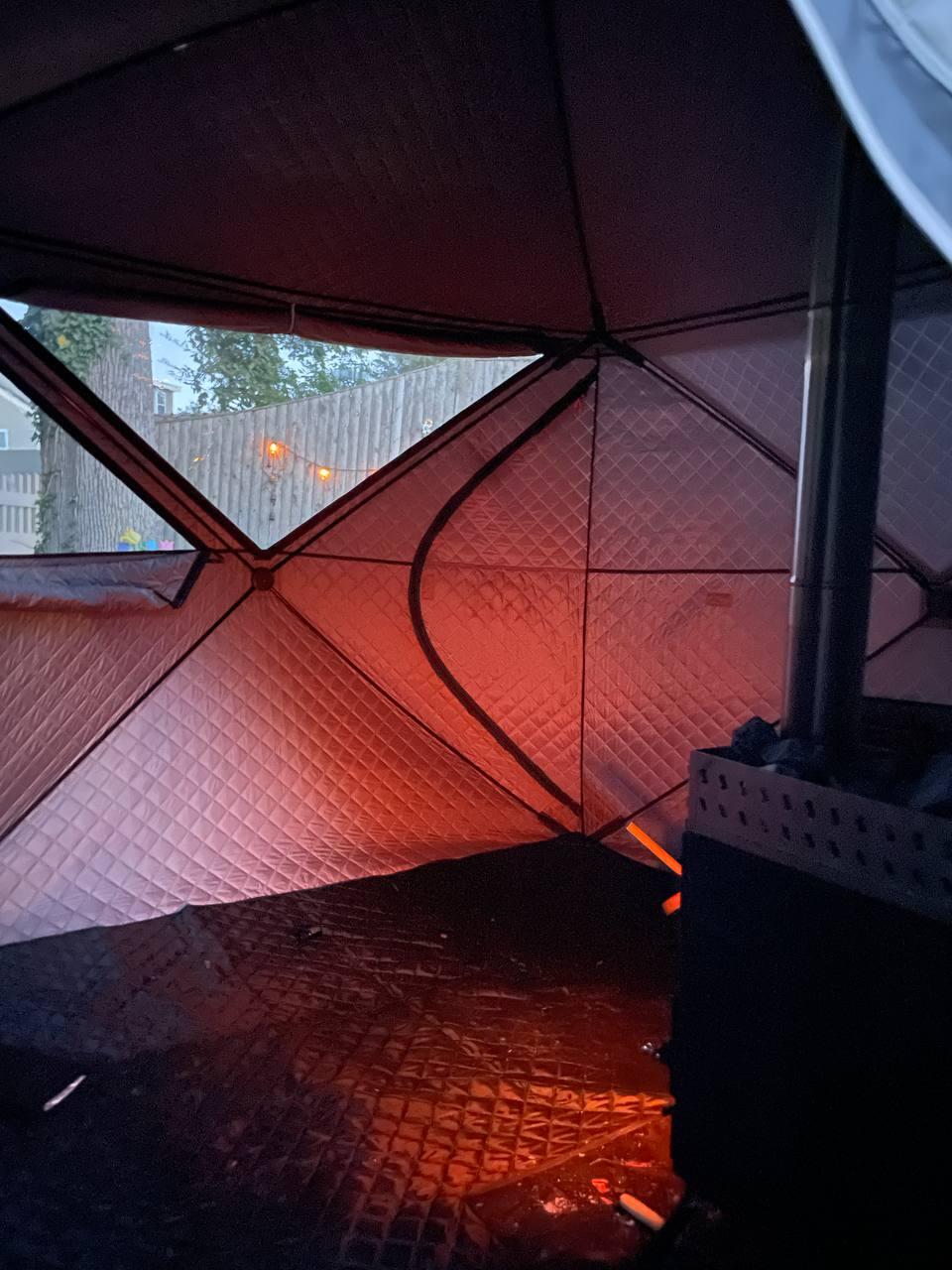
KYFE's tents reach up to ~200°F in under 30 minutes using an efficient wood-burning stove with a large rock basket for sustained heat and real löyly steam. The quilted insulation walls and integrated floor skirt maintain temperature even in sub-freezing weather, and 360° panoramic windows let natural light in without sacrificing warmth.
What the kits include:
-
Insulated tent (sizes from mini (2-3 person) to large (6-8 person))
-
Stainless steel stove with rock basket, rocks, and thermometer
-
Gloves, travel bag, and setup accessories
-
Free cold plunge tub for contrast therapy
KYFE ships directly to customers with a 60-day return policy, warranty coverage, and free shipping above a set order threshold.
In practice, this looks like: a Saturday evening backyard sauna with friends, cycling between 190°F steam rounds and 55°F cold plunge dips. Or a solo Tuesday morning session before work in January, firing the stove while coffee brews, sitting in quiet heat as the sun comes up. The tent travels to a lakeside cabin just as easily; it packs into the back of an SUV.
Conclusion: Building Your At-Home Heat Therapy Routine
Portable saunas bring sauna therapy home in formats that fit nearly any space, from infrared blankets under a bed to wood-fired tent saunas on a deck. Choosing the right one depends on your available space, budget, preferred heat type, and whether you prioritize daily convenience or authentic Finnish steam.
Think in terms of routines, not gadgets. Two to four weekly sessions paired with cold plunge, movement, and good sleep build a sustainable wellness practice. The cost per session drops to pennies after the first few months, and the returns in sleep, recovery, and stress management compound over time.
If outdoor heat and real steam appeal to you, explore KYFE's wood-fired sauna tent kits, compare sizes, and read through the setup and buyer guides. Your backyard wellness corner is closer than you think.
Tips to Get a Sauna Tent Hotter (Without Wrecking Your Stove or Tent)
Sauna in Winter: How to Get the Most Out of Your Outdoor Sauna Sessions