

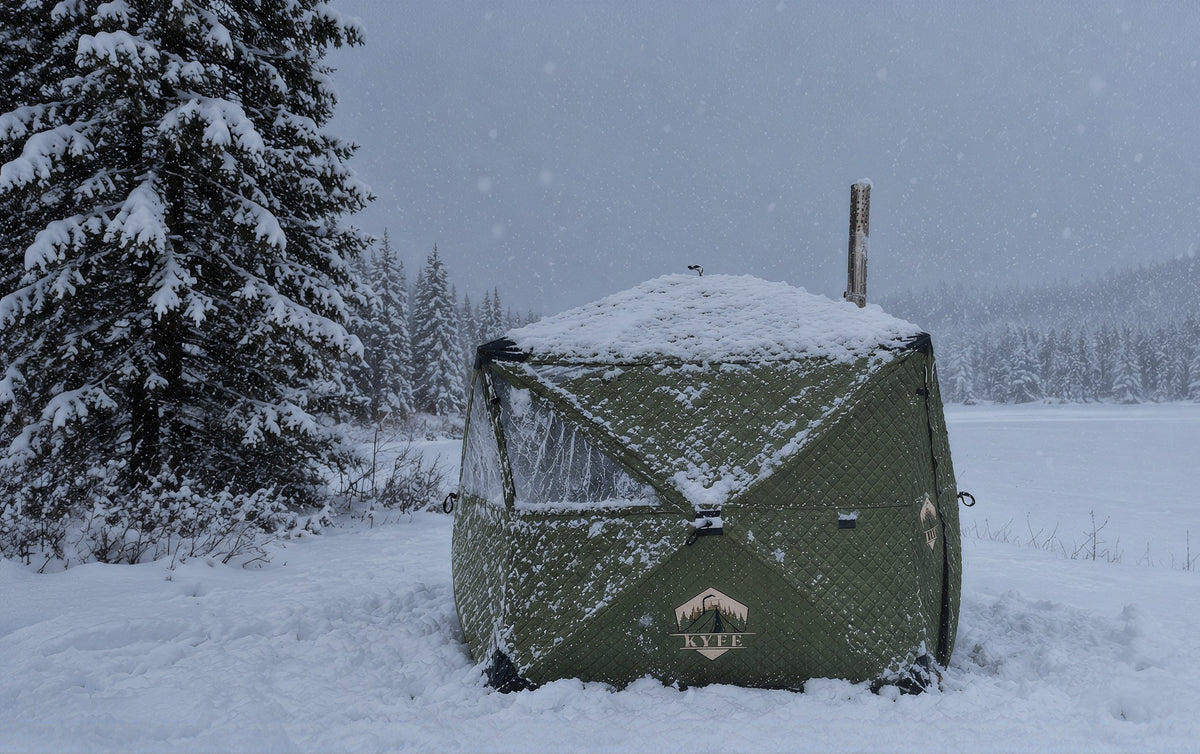
Winter is when sauna matters most. Sauna in winter is especially effective because the sharp contrast between freezing air and high, dry heat boosts circulation, eases tight muscles, speeds recovery, lifts mood, supports sleep, and can help your immune system hold up through the cold months. For outdoors-minded people and wellness enthusiasts who want a real sauna experience at home, at a cabin, or on retreat, that makes winter one of the best times to use an outdoor sauna.
The cold pushes you indoors, drains energy, and makes recovery feel slower. A good sauna session pulls you right back out of that rut. Here’s how to make the most of your outdoor sauna when the temperature drops, including the benefits of winter sauna use, heat-and-cold contrast with a plunge, outdoor vs. indoor sauna considerations, safe winter sauna habits, setup tips for cold weather, and why portable wood-fired sauna tents like KYFE are such a strong fit for winter.
Why Winter Is the Best Time for Sauna
Picture this. It's 14°F outside. The air is sharp. You duck through the sauna entrance, and within seconds you're wrapped in 190°F of dry, wood-fired heat. Steam rolls off heated rocks. Your body starts to let go of everything the cold weather locked up.
That contrast is what makes a winter sauna something entirely different from a summer session. When winter arrives, the gap between freezing temperatures outside and the sauna interior reaches its peak. Your body responds harder, faster, deeper. Blood vessels open wide, your heart rate picks up, and circulation floods into fingers and toes that were numb five minutes ago.
Regular sauna use during the cold months helps on several fronts:
-
Stronger blood flow and cardiovascular response from the extreme hot-cold contrast
-
Faster warm-up and muscle recovery after skiing, shoveling, or hiking in the cold
-
Mood lift during the darkest, shortest days of the year
-
Deeper sleep through natural body temperature cycling
-
Immune support heading into cold and flu season
Winter sauna sessions can reach 170 to 200°F, and that range is where most of the good stuff happens. At KYFE, we build portable wood-fired outdoor saunas that bring authentic Finnish-style heat to your backyard, your cabin, or wherever you set up camp. No permanent build required. Just fire, steam, and the cold air waiting outside.
Key Health Benefits of Sauna in Winter
The health benefits of regular winter sauna sessions go well beyond warming up. Research backs this up with some serious numbers.
Frequent sauna users have reduced risks of cardiovascular disease. One major Finnish cohort study found that people who used a sauna four to seven times per week saw roughly 50% lower risk of cardiovascular disease compared to those who went just once a week. That's not a small difference.
Sauna heat increases blood flow throughout the body, which aids muscle recovery and reduces inflammation. After a day of winter hiking, shoveling snow, or skiing, that extra circulation helps flush metabolic waste and ease stiffness. Saunas relieve muscle tension and soreness after winter activities, and regular sauna use can enhance muscle recovery after workouts.
Sauna sessions also promote circulation and reduce inflammation in joints and soft tissue. For people dealing with winter-related aches, 3 to 4 sessions per week during January and February can make a noticeable difference in how your body feels day to day.
Here are the top benefits that hit hardest in winter:
-
Improved cardiovascular health and lower blood pressure over time
-
Reduced muscle stiffness and faster recovery from cold-weather activity
-
Better circulation to extremities after cold exposure
-
Support for immune function heading into flu season
-
More energy and improved mood through endorphin release
Sauna, Cold Weather, and Immunity in Cold and Flu Season
When you step from cold air at 23°F into a sauna running at 180 to 195°F, your body goes through a rapid shift. Skin blood vessels dilate. Sweating kicks in. Heart rate climbs. Core body temperature rises, and your body begins producing heat-shock proteins that help with cellular repair.
Sauna heat mimics a mild fever, boosting white blood cell production. That increase in white blood cells means your immune system gets a temporary surge in the cells it uses to fight infection. A Finnish study found that a 30-minute sauna session followed by a cold shower significantly increased circulating neutrophils and lymphocytes.
Sauna use increases white blood cell production, and regular sauna sessions can reduce respiratory infections. Observational data shows that people who sauna frequently report fewer head colds and milder symptoms during flu season. Sauna heat mimics a mild fever, boosting immunity through repeated exposure over weeks.
That said, a sauna can help reduce risk and ease symptoms, but it's not a cure. If you have a fever or active infection, skip the session and rest. For more on navigating that decision, check out Sauna While Sick: When It Helps and When to Skip It.
A simple winter immunity protocol: 15 to 20 minutes of heat, step out for a cool-down under cold water or cold air, rest a few minutes, then do a second round. Three times a week through January and February covers the peak of cold and flu season.
Winter Mood, Stress Relief, and Deeper Sleep
Seasonal affective disorder affects roughly 5 to 10% of the population in northern latitudes. Shorter days, less moisture in the air, less light. It adds up. By mid-January, a lot of people are running on fumes.
Saunas can relieve symptoms of seasonal affective disorder. Sauna heat triggers endorphin release, improving mood in a way that feels immediate. The post-sauna calm, sometimes called "sauna afterglow," comes from a shift toward parasympathetic nervous system activity. Cortisol drops. Tension eases. Even infrared saunas may provide additional mood benefits for SAD, though traditional saunas using heated rocks and löyly remain the gold standard for intensity.
Regular sauna use can enhance sleep quality and regulate circadian rhythms. One study found that sauna sessions led to a 70% increase in deep sleep during the first two hours after the session. When your body temperature rises in the sauna and then drops during cool-down, it mimics the natural temperature dip your body uses to signal bedtime. Evening sessions work especially well for this.
Here's a concrete winter sleep routine:
-
Light dinner around 6 or 7 pm
-
20-minute sauna session at around 180°F, about 1 to 2 hours before bed
-
Cool shower or step outside into the cold air for a few minutes
-
Lights low, in bed by 10 pm
Tips for mood and sleep quality through winter sessions:
-
Aim for 2 to 4 sauna sessions per week, preferably in the early evening
-
Add natural oils like eucalyptus or birch to your steam water to open airways
-
Keep the sauna room dim and calm for a more relaxing experience
-
Track your sleep and mood over a few weeks to see patterns
Outdoor Saunas vs. Regular Indoor Saunas in Winter
Choosing a home sauna involves indoor vs. outdoor placement, and each has its place. Indoor saunas are convenient and efficient. You step out of the sauna room into your hallway, and the whole thing stays at a controlled temperature year round.
But traditional saunas can provide an unmatched contrast when exiting into cold air. That's where the outdoor sauna pulls ahead in winter. Stepping from 190°F heat directly into snow, cold water, or freezing air is the heart of the experience. Barrel saunas, cabin-style builds, and portable tents all deliver this. The sensory hit of cold on hot skin, stars overhead, maybe fresh melting snow under bare feet. You don't get that indoors.
Saunas can use traditional or infrared heat. Infrared saunas heat the body directly rather than heating the surrounding air, which can work well indoors. For outdoor use in winter, saunas should have a powerful heater to compensate for heat loss through walls and doors. Cedar wood saunas offer good insulation against cold temperatures, and cedar wood resists moisture and temperature changes, giving it inherent resistance and dimensional stability in harsh conditions.
Here's how they compare for winter use:
-
Heat-up time: Indoor saunas warm faster in cold weather. Outdoor saunas need more powerful wood burning stoves or heaters but deliver stronger contrast.
-
Ambience: Outdoor saunas win on atmosphere. Snow, cold air, nature.
-
Contrast options: Outdoor setups give you immediate access to cold plunge, snow, or frigid air for contrast therapy.
-
Maintenance: Outdoor structures need particular attention to door seals, ice accumulation, and weather-resistant materials. Indoor saunas need less seasonal preparation.
-
Flexibility: Portable outdoor sauna tents go where you go. Indoor saunas stay put.
How to Run a Safe Winter Sauna Session
Running a winter sauna session well comes down to structure. Here's a simple framework.
Pre-hydrate with 16 to 24 ounces of water. Dry off any snow or ice before entering. Wear sandals or warm slippers to handle the walk between sauna and cold areas in winter. A wool sauna hat protects your head from extreme heat in winter and keeps you comfortable through longer rounds.
Traditional saunas use heated stones to create steam and increase humidity. Pour water over the rocks for löyly, and learn how to dial in your steam. Winter sauna sessions can raise heart rates to 110 to 120 bpm, which is similar to moderate exercise.
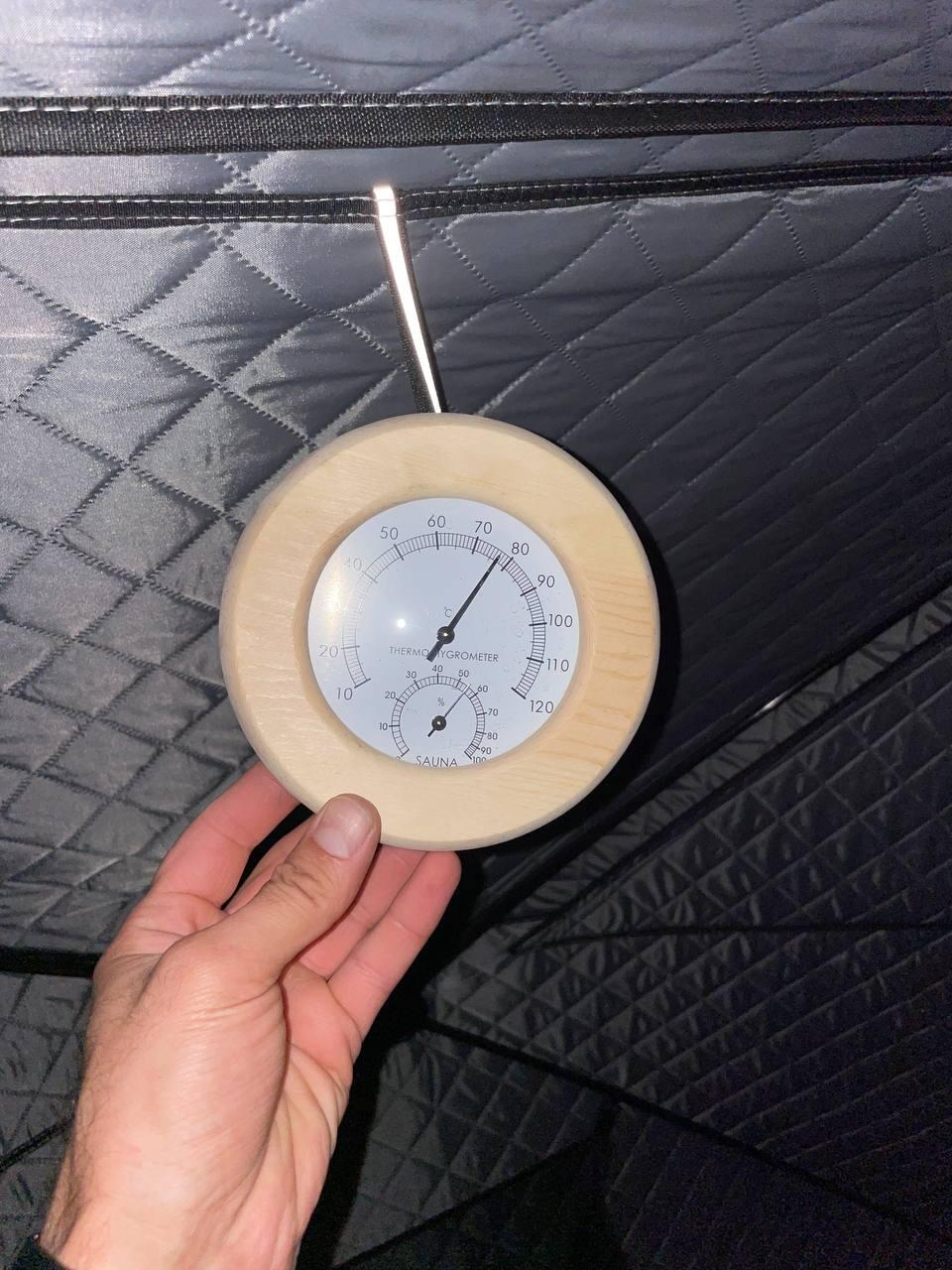
For temperature and timing, aim for 170 to 195°F in a wood-fired outdoor sauna. Each round should last 10 to 20 minutes. Shorter sessions for beginners. Monitoring temperature and humidity is crucial for sauna use in winter, so keep a thermometer visible inside.
Frequency: 2 to 4 times per week for beginners. Experienced users can go most days, with occasional rest days. For more on daily use, see Can You Sauna Everyday?
Ideal winter session structure:
-
Hydrate before entering
-
First round: 10 to 15 minutes, moderate heat
-
Cool-down: cold air, cold water, or snow for 1 to 3 minutes
-
Rest 5 minutes in warm spaces or a sheltered area
-
Second round: 15 to 20 minutes at full heat with löyly
-
Cool down again, rehydrate, and warm up gradually
Contrast Therapy: Pairing Sauna and Cold Plunge in Winter
Contrast therapy means alternating between hot sauna sessions and cold exposure. The idea is simple: heat opens your blood vessels, cold snaps them shut. Repeat that cycle and you train your circulation and stress response. Contrast therapy improves cardiovascular function through hot-cold cycling, and frequent sauna users have lower risks of cardiovascular disease over time.
Winter makes this easy. Step out of the sauna into fresh snow. Slide into a 40°F cold plunge tub. Or just stand outside in the cold air for 60 seconds. Two to three sauna rounds are recommended for effective contrast therapy.
Here's a sample routine with a KYFE outdoor sauna and cold plunge:
-
15 minutes in the sauna at 180 to 190°F
-
30 to 60 seconds in cold water at 39 to 41°F
-
5 minutes rest in cool air
-
Repeat for 2 to 3 total rounds
The benefits people notice most: faster recovery after skiing or winter sports, a clearer head, more stable energy through the afternoon, and better mood on dark days. For a deeper look at the science, read Discover 5 Potential Benefits of Sauna and Cold Plunge.
Safety notes: start with short cold exposures if you're new to it. Never hold your breath underwater. Stop if you feel dizzy or numb. People with heart conditions should talk to a doctor before trying cold plunges.
Setting Up an Outdoor Sauna for Harsh Winter Conditions
Setup matters more in January than July. Wind, snow load, and icy ground all affect heat retention and comfort. Winter changes necessitate specific sauna construction and insulation considerations.
Position your outdoor sauna close to the house, sheltered from prevailing winds. A cleared, well-lit path between the sauna and your door or cold plunge prevents ice formation and slipping hazards. Keep a dry path clear to prevent icy spots, especially around the sauna entrance.
Sauna roofs must be sloped to shed snow. Flat tops collect weight and can compromise structure. Check door seals and heater settings regularly in winter. Tight door seals keep humid air inside and cold air out, which makes a real difference in better heat retention. For tents, secure guy lines and clear drainage channels around the base to prevent ice formation from melting snow.
If you're using electric heaters, they should be rated for outdoor use. Sauna stones should be replaced when cracked or crumbling, since damaged stones don't hold heat well and can pop when water hits them. Watch for creosote buildup in your chimney, and make sure your chimney cap is clean and functional. Wood burning heaters need dry fuel to burn efficiently and avoid excess smoke.
Winter setup checklist:
-
Structure integrity: fabric, poles, or walls checked for wear
-
Door seals tight, no gaps allowing cold drafts
-
Stove or heater capable of maintaining 180°F when it's 0°F outside
-
Dry firewood supply stored under cover
-
Cleared, non-slip path with safety lighting
-
Ventilation control to manage smoke and less moisture buildup
-
Electrical components (if any) rated for outdoor use and freezing temperatures
Wood-Fired Sauna Tents: A Portable Winter Retreat With KYFE
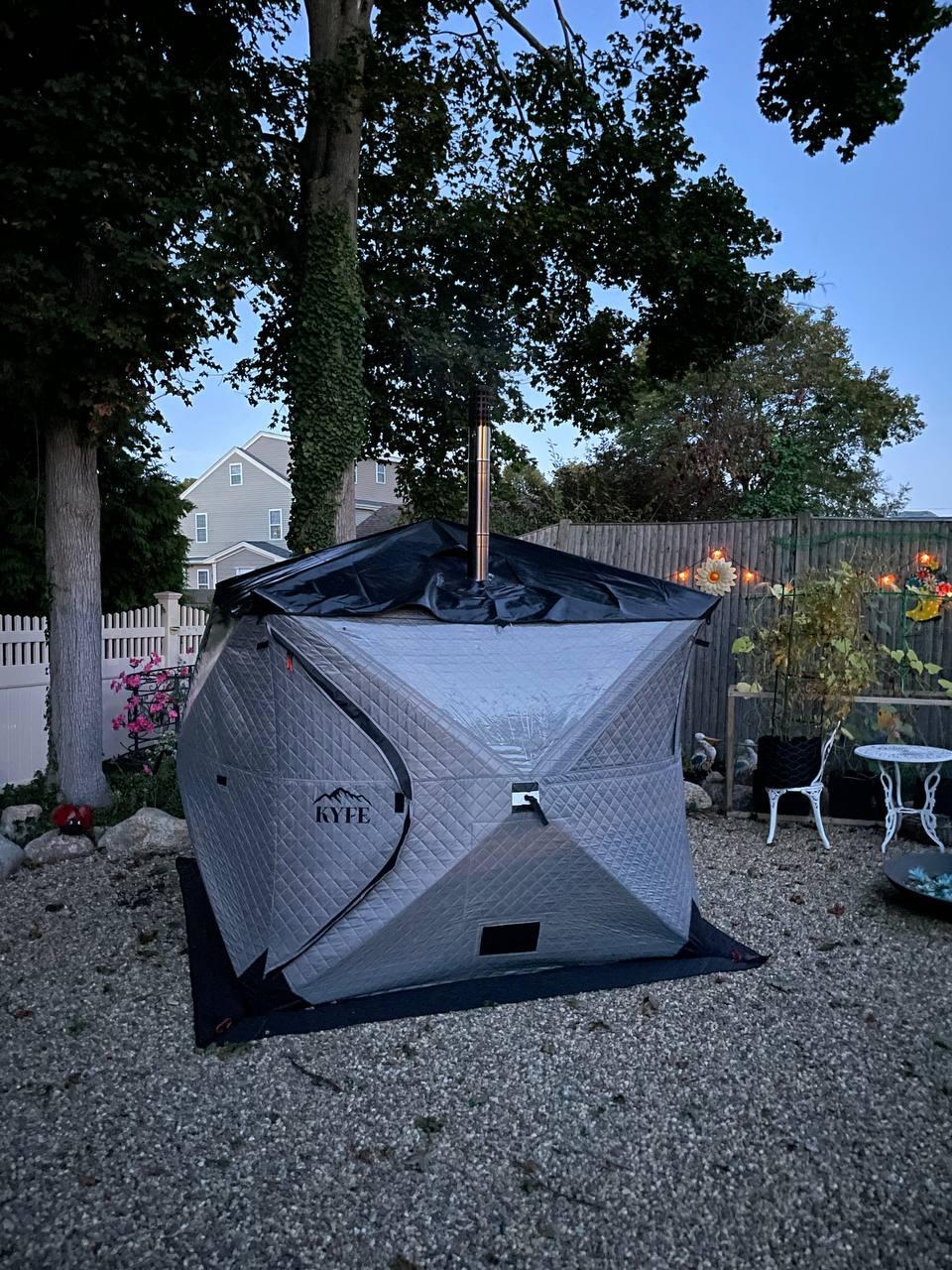
If you want an outdoor sauna experience without permanent construction, a wood-fired sauna tent is the move. Portable sauna tents offer quick heating and are ideal for small spaces. They set up fast, pack down when you're done, and go wherever you go.
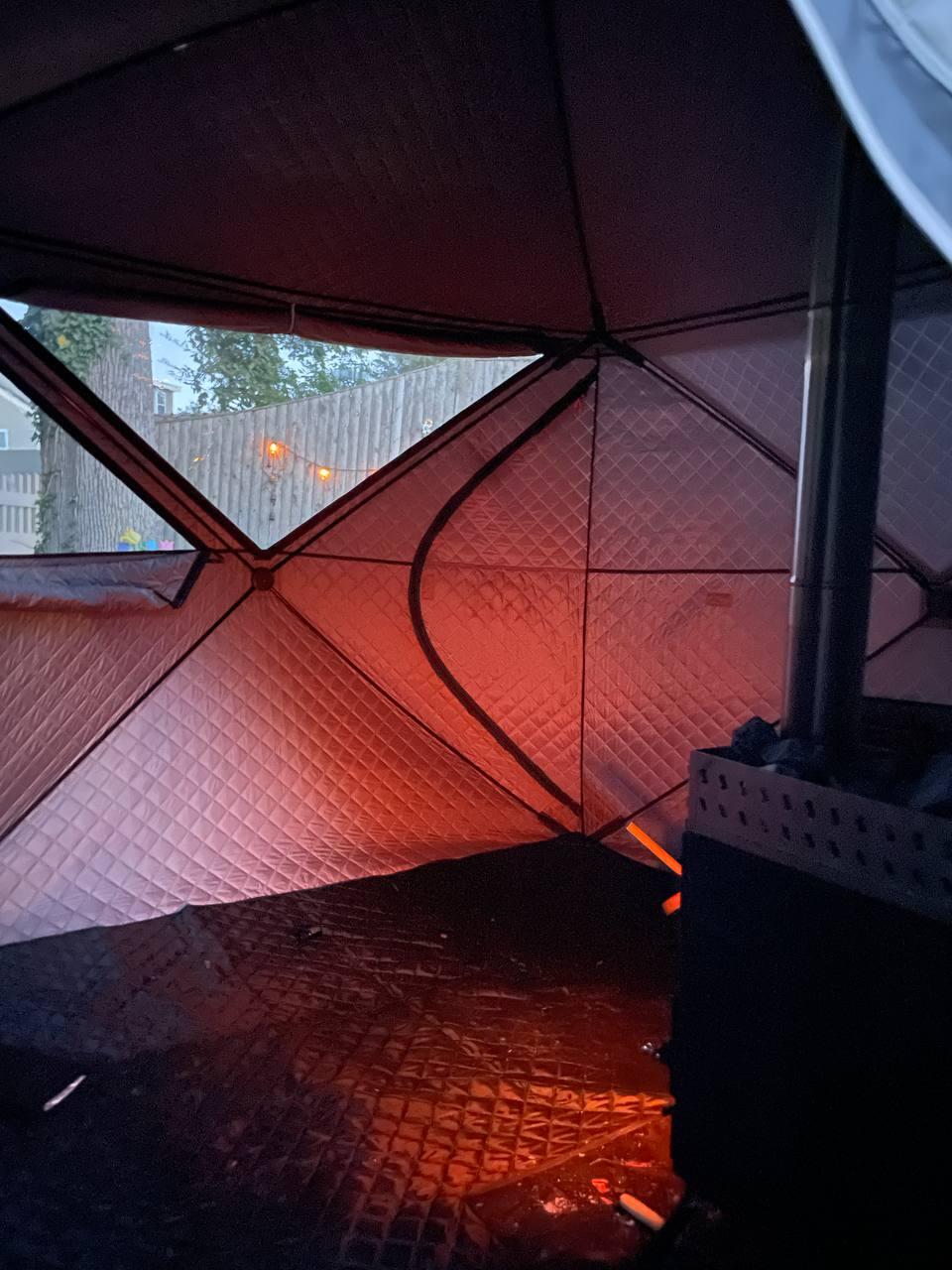
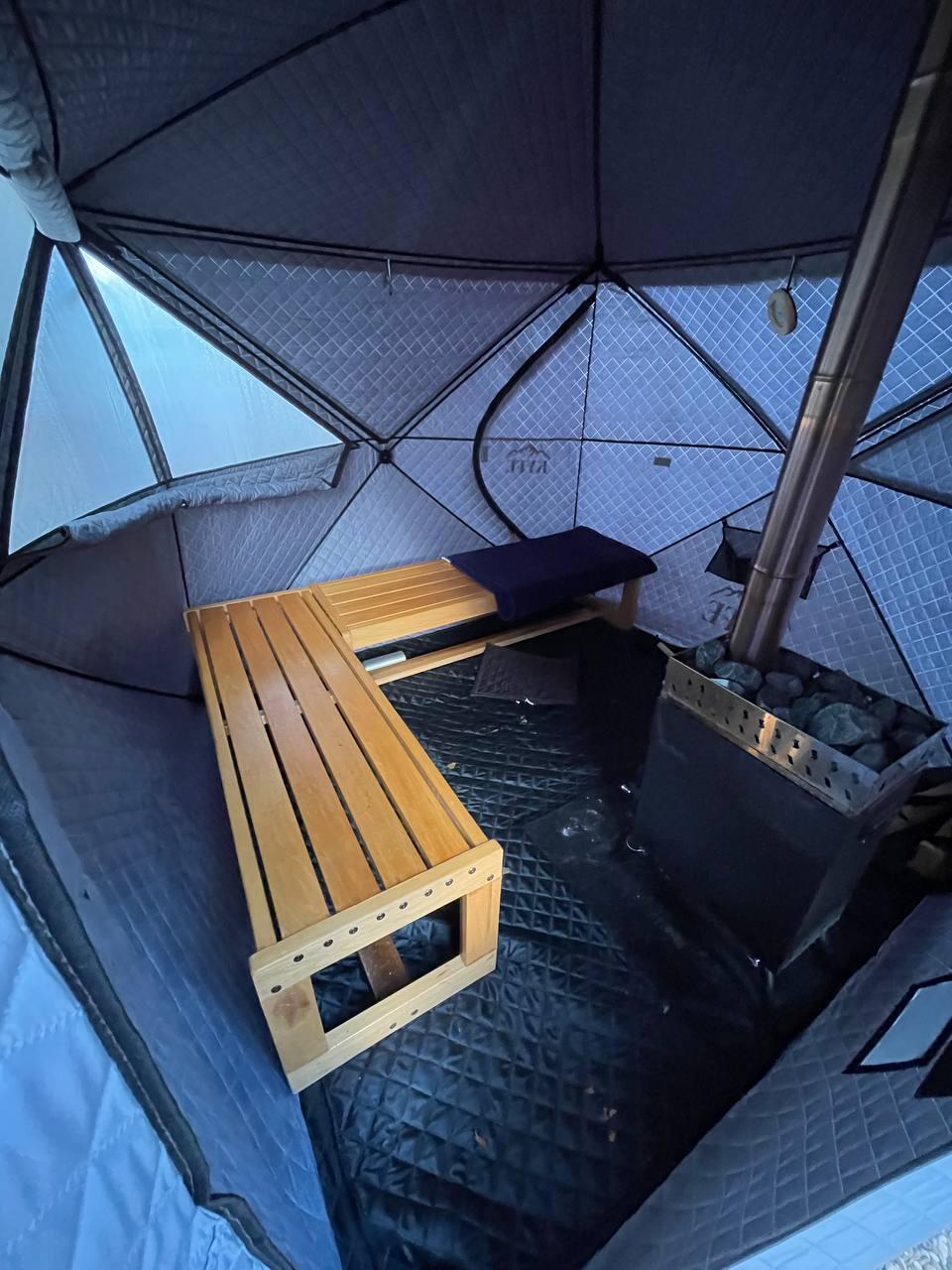
KYFE tents are built for winter use. Setup takes 5 to 15 minutes. From there, the stove brings the sauna interior to 180 to 200°F in about 30 minutes, even in sub-freezing conditions. The stove features a rock basket for authentic Finnish steam, a spark arrestor, and a protective ground pad. The tent fabric holds heat well and handles snow and wind when properly staked.
Essential oils can enhance the sauna experience by opening airways. Add a few drops of eucalyptus or pine to your löyly water for something extra during winter sessions. The wood burning stove gives you radiant and convective heat that a sauna heats up fast, and the fire itself adds to the ambience in a way hot weather electric units never will.
Real-world scenarios where KYFE tents shine in winter:
-
At a cabin in January after a day on the slopes
-
By a frozen lake paired with a cold plunge tub for contrast therapy
-
In a small backyard after work on a Tuesday night
Winter advantages of wood-fired sauna tents:
-
Portable. No contractor, no permits, no permanent footprint.
-
Intense heat profile. Wood stoves deliver the kind of heat that holds even when it's brutal outside.
-
Authentic steam. Rock basket allows for real löyly.
-
Fire ambience. Crackle, warmth, natural oils from burning wood. Nothing else sounds like it.
-
Year round use. Works in summer heat too, but winter is where it really earns its keep.
Safety, Hydration, and Who Should Be Careful
Cold-weather sauna sessions carry a few extra considerations worth paying attention to.
Hydration is essential in dry winter air during sauna sessions. You sweat a lot inside, and dry cold air outside compounds the fluid loss. Drink at least 16 to 24 ounces of water before and after. A reliable insulated water bottle is important for hydration during winter sauna use, since regular bottles can freeze outside. Warm herbal teas between rounds work well too.
Sauna accessories enhance comfort during winter use. Beyond the water bottle, keep a quick-dry towel, sandals or warm slippers for icy paths, and a wool hat inside the sauna. These small additions make a big difference when you're running shorter sessions in freezing temperatures, especially on your first few cold-weather outings. Skin health benefits from proper hydration too, since the combination of dry cold air and hot sauna can strip body oils and natural oils from your skin if you're not careful.
Who should talk to a doctor first: anyone with uncontrolled high blood pressure, unstable heart disease, pregnancy, or heat sensitivity. If you have respiratory issues, the rapid shift from hot to cold air may trigger problems, so cool down gradually.
Do:
-
Pre-hydrate and rehydrate with electrolytes
-
Wear non-slip footwear on frozen ground
-
Keep sessions shorter until your body adapts
-
Sauna regularly but listen to your body
-
Prevent ice formation on your path with salt or sand
Don't:
-
Sauna with a fever or while intoxicated
-
Walk outside on wet skin in extreme cold without covering up
-
Skip hydration because it's "not hot weather"
-
Sauna alone in remote, harsh conditions at night
-
Ignore dizziness, nausea, or numbness. Exit early if you feel off.
Building Your Winter Sauna Routine With KYFE
Turning occasional winter sessions into a routine is where the real results show up. Better mood, fewer colds, less muscle tightness, deeper sleep, more energy. These stack up when you're consistent. Sauna can help you get through the toughest months feeling better than you expected.
Pick specific days. A simple schedule for January through March:
-
Monday evening: 20-minute session at 180°F, cool-down, rest
-
Wednesday evening: Same structure, maybe add a second round
-
Saturday afternoon: Longer session with 2 to 3 rounds and contrast therapy
Add small ritual touches. Pick your favorite wood. Bring out the essential oils. Play some music. Use collagen production and skin health as motivation to keep going. Track your sleep quality and how often you get sick compared to last winter.
KYFE's portable outdoor saunas and included cold plunge make it easier to keep that routine going at home, at a cabin, or on winter trips. No permanent structure means you can pack up and bring the whole experience with you. The 60-day return policy and free shipping take the risk out of trying it.
Mineral deposits on your stove and rocks will build up over time with year round use. Clean them periodically. Check for creosote buildup in the chimney, and inspect the tent fabric for wear after heavy winter sessions.
Winter doesn't have to be something you just push through. With the right setup, the cold becomes part of the experience instead of the enemy. Plan your first winter sauna weekend. Gather some friends, set up the tent, run the contrast routine, and let the season do what it does best. Light the fire and see for yourself.
Portable Sauna for Home: Complete Buyer's Guide to Heat Therapy with KYFE