

Key Highlights
- A sauna session can offer temporary relief from mild cold symptoms like congestion, sore throat, and body aches — but it won't cure your illness.
- Avoid the sauna entirely if you have a fever, severe fatigue, or flu-like symptoms. The added heat stress can backfire when your body is already fighting hard.
- The real power of sauna lies in prevention. Research shows that regular sauna bathing can cut common cold frequency nearly in half over time.
- If you do use a sauna while mildly sick, keep sessions short (10–15 minutes), lower the temperature, and hydrate aggressively before and after.
- Home saunas offer a major advantage during illness — you control the environment, avoid spreading germs, and can session on your own terms.
Introduction
You feel it creeping in. The scratch in your throat. The heaviness behind your eyes. The dull ache settling into your joints. A cold is on its way, and you know it. Your first instinct might be to reach for the medicine cabinet. But if you have a sauna nearby, a different thought enters your mind: Could a session help?
The idea of using heat to fight illness is ancient. Finnish families have turned to the sauna during cold season for centuries, and cultures across the globe have long used steam, sweat lodges, and thermal bathing as healing rituals. The logic feels intuitive — raise your body temperature, open your airways, sweat out whatever is making you feel awful, and emerge renewed. But intuition and reality don't always align. While sauna use offers real, measurable benefits for your immune system and respiratory health, using one while actively sick requires more nuance than most people realize. This guide will walk you through everything you need to know about using a sauna while sick — what the research actually says, when it's safe, when it's not, and how to make the most of heat therapy during cold and flu season.
Can You "Sweat Out" a Cold in a Sauna?
Let's address the biggest misconception first: You cannot sweat out a virus. It's a persistent myth and an appealing one. The idea that enough heat and enough sweat will flush pathogens from your body feels logical, almost satisfying. But that's not how your immune system works. Viruses are eliminated by white blood cells, antibodies, and other immune responses — not by your sweat glands. No amount of time on a sauna bench will force a cold virus out through your pores.
That said, just because you can't literally sweat out a cold doesn't mean sauna use is pointless when you're under the weather. There are legitimate, science-backed reasons why a sauna session might support your recovery — from opening congested airways to stimulating immune cell activity to promoting the kind of deep rest your body needs to heal. The key is understanding what heat actually does to your body, and when that cascade of physiological responses is helpful versus harmful.
What Happens to Your Body During a Sauna Session
When you step into a hot sauna, your body launches a cascade of physiological responses that touch nearly every major system. Understanding these responses is essential to knowing whether a session will help or hinder your recovery when you're feeling under the weather.
Your Core Temperature Rises and Your Cardiovascular System Responds
A sauna session elevates your core body temperature by 1–2°F, mimicking a mild fever. This is significant because fever is one of your body's primary defense mechanisms — a higher core temperature stimulates the production and mobilization of white blood cells, the frontline soldiers in your immune response. Simultaneously, your heart rate climbs to 100–150 beats per minute in a sauna heated to 170–200°F, comparable to moderate cardiovascular exercise. This drives increased blood flow throughout the body, delivering oxygen and immune cells to tissues more efficiently and creating an internal environment that's more hostile to pathogens.
Heat Shock Proteins Activate
One of the most important cellular responses to heat exposure is the production of heat shock proteins (HSPs), particularly HSP70. These proteins play a critical role in cellular repair, immune signaling, and — notably — have been shown to directly inhibit the replication of certain viruses, including influenza A. The activation of heat shock proteins is one of the primary mechanisms researchers point to when explaining why regular sauna users tend to get sick less often. It's a form of cellular conditioning that strengthens your body's defenses at the molecular level.
Your Airways Open and Stress Hormones Drop
Warm, humid air dilates blood vessels in the nasal passages and throat, loosening mucus and easing congestion. This is especially true in a traditional sauna where water is poured over heated stones to create steam — the Finnish löyly experience. For anyone dealing with a stuffy nose, sinus pressure, or a dry cough, this temporary relief can be profound. At the same time, sauna use reliably lowers cortisol levels while promoting the release of endorphins, creating a deep sense of relaxation that supports recovery. Stress is a well-documented immune system suppressor, and when you're sick, rest is one of the most powerful healing tools available. A sauna session can set the stage for deeper, more restorative sleep — exactly the kind your body needs to repair itself.
What Does the Research Actually Say?
The scientific literature on sauna use and illness is surprisingly robust, though it draws an important distinction between using a sauna to prevent illness and using one while you're already sick. Understanding this distinction is critical, because the evidence is much stronger for one than the other.
Sauna for Prevention: The Strongest Evidence
The most frequently cited study on sauna and colds was published in the Annals of Medicine in 1990 by Ernst and colleagues. The researchers divided 50 volunteers into two groups: 25 who used a sauna one to two times per week and 25 who abstained entirely. Over six months, the sauna group experienced significantly fewer colds — particularly in the final three months of the study, when cold frequency was nearly cut in half compared to the control group. Importantly, the protective effect didn't appear immediately. It took roughly three months of consistent sauna use before the immune benefits became measurable, suggesting that sauna's real value lies in steady, long-term practice rather than one-off sessions.
A much larger body of research from the University of Eastern Finland reinforces this finding. The Kuopio Ischemic Heart Disease (KIHD) Risk Factor Study — which tracked over 2,000 middle-aged men for more than 25 years — found that those who used a sauna two to three times per week were 28% less likely to develop pneumonia. Men who used one four or more times per week saw a 37% reduced risk. A related analysis showed frequent sauna use was linked to a 41% reduced risk of significant respiratory diseases overall. And a 2013 study published in the Journal of Human Kinetics by Pilch and colleagues found that even a single Finnish sauna session significantly increased white blood cell counts, including neutrophils and monocytes — the immune cells that serve as your body's first responders against pathogens. The takeaway across all of this research is clear: regular, consistent sauna bathing strengthens your immune resilience over time in ways that are both measurable and meaningful.
Sauna While Actively Sick: More Nuanced
When it comes to using a sauna during an active illness, the picture gets more complex. A randomized controlled trial conducted at Charité University Medical Center in Berlin had participants with active colds sit in a 90°C sauna and inhale either hot sauna air or room-temperature air through a mask. After three days of sessions, researchers found no significant difference in symptom severity between the two groups. This doesn't mean sauna is useless when you're sick — it means the mechanism isn't about hot air directly killing viruses or sweat carrying pathogens out of your body. What a sauna can do during a mild illness is provide meaningful symptom relief — easing congestion, relaxing tense muscles, reducing body aches, and promoting the kind of deep rest that supports faster recovery. The distinction matters: sauna during illness is about comfort and creating better conditions for healing, not about curing the infection itself.
When a Sauna Session Can Help
Not every illness calls for the same approach. The severity and type of your symptoms should guide your decision about whether to step into the sauna or stay on the couch. Here are the scenarios where a session is most likely to support your recovery rather than set it back.
Mild Cold Without Fever
A standard head cold — runny nose, mild congestion, scratchy throat, low-grade fatigue — is the most sauna-friendly scenario. The heat can temporarily open your airways, ease sinus pressure, and help you relax deeply enough to sleep better that night. Keep the temperature moderate (140–160°F), limit your session to 10–15 minutes, and focus on hydration before and after. Many regular sauna users report that a well-timed session during a mild cold doesn't just feel good in the moment — it sets them up for a noticeably better night of rest, which is when the real recovery happens.
Early-Stage Symptoms
That window between "I think something's coming on" and a full-blown cold is arguably the best time to session. Your immune system is ramping up but not yet overwhelmed, and the boost in circulation, heat shock protein production, and white blood cell activity can give your body a meaningful advantage. This is the closest thing to a proactive use case — you're not treating an illness so much as giving your body extra tools to fight one off before it takes hold.
Sinus Congestion, Mild Cough, and Post-Illness Recovery
If your primary symptoms are nasal congestion or a dry, irritating cough, a traditional sauna with steam can offer real relief. Pour water over hot stones to generate löyly, breathe deeply, and let the warm humid air do its work on your airways. This is one area where a wood-burning sauna excels — the ability to control steam output and create a deeply therapeutic breathing environment. Similarly, once the worst of your cold or flu has passed and you're in the tail end of recovery — low energy, lingering congestion, general sluggishness — a gentle sauna session can help restore circulation, reduce residual inflammation, and signal to your body that it's time to start rebuilding. Think of it as a bridge between being sick and being fully back to yourself.
When to Skip the Sauna Entirely
There are situations where sauna use during illness isn't just unhelpful — it's genuinely risky. Your body communicates its limits clearly if you're willing to listen, and when in doubt, rest is always the right call.
You Have a Fever
This is the number one rule, and it's non-negotiable. If your body temperature is already elevated from a fever, adding external heat is dangerous. Your thermoregulation system is already under significant strain, and a sauna session can push your core temperature into unsafe territory — leading to dizziness, fainting, dangerous dehydration, or worse. A fever means your body is already deploying its heat-based defense strategy. Adding more heat on top of that doesn't help the process; it overwhelms it. If you have a fever, stay out of the sauna. Full stop.
You Have the Flu or a Severe Respiratory Infection
Influenza is a different animal from the common cold. It hits harder, affects the entire body, and demands more from your cardiovascular system. Adding heat stress on top of a flu infection can lead to dehydration, dangerous overheating, and cardiac strain. The same applies to severe bronchitis, pneumonia, or any infection that leaves you feeling truly debilitated. If you feel dizzy, nauseous, or profoundly exhausted, those are your body's signals that it's already working at maximum capacity. A sauna session requires real physiological resources — increased heart rate, fluid loss through sweat, thermoregulation — that your body simply can't spare when it's in survival mode. And if you have cardiovascular disease, low blood pressure, or any chronic condition that affects your body's response to heat, consult your healthcare provider before using a sauna while sick. The combination of illness and heat exposure can create compounding risks that aren't worth taking.
How to Use a Sauna Safely When You're Mildly Sick
If your symptoms are mild and you've decided a session could help, the following guidelines will help you get the most benefit with the least risk. The overarching theme here is moderation — this is not the day to chase personal records on temperature or duration.
Lower the Temperature and Keep Sessions Short
This isn't the day to push 200°F. Dial the heat back to 140–160°F and limit your time to 10–15 minutes. Your body is already working overtime to fight an infection; give it a gentler stimulus rather than an extreme one. A shorter session at a moderate temperature still triggers beneficial immune and circulatory responses — increased blood flow, heat shock protein activation, airway dilation — without overtaxing a system that's already under strain. You can always add more time or heat as you recover. You can't undo the consequences of pushing too hard when your body wasn't ready.
Hydrate Aggressively
Dehydration is the single biggest risk of sauna use while sick, and it's one that compounds quickly. Your body is already losing fluids through mucus production, potential sweating from a mild fever, and reduced fluid intake if your appetite is low. Adding a sauna session on top of that can push you into a dehydration zone that actually weakens your immune response rather than supporting it. Drink water before, during, and after your session. Consider adding electrolytes to replace minerals lost through sweat — coconut water, electrolyte-infused drinks, or even a pinch of sea salt in your water can help maintain the balance your body needs to keep fighting effectively.
Cool Down Gradually and Rest Immediately After
After your session, avoid dramatic temperature shifts like cold showers or cold plunges. When you're sick, your body responds better to gentle transitions. Sit in a comfortable room-temperature space, wrap yourself in a towel or robe, and let your body return to baseline over 10–15 minutes. Then rest. Post-sauna is not the time for activity — lie down, close your eyes, and let your body direct its energy toward recovery. Some of the most restorative sleep you'll get while sick can follow a well-timed sauna session, so lean into that instead of fighting it. And if your normal routine includes contrast therapy — alternating between hot sauna and cold water immersion — pause the cold plunge entirely while you're sick. The shock of cold water demands a significant cardiovascular response that your body may not be equipped to handle when it's fighting an infection. Save the contrast work for when you're healthy.
Public Sauna Etiquette: Stay Home
This deserves its own section because it's important — and too often overlooked. If you're sick, even mildly, do not use a public or communal sauna. Saunas are enclosed spaces with shared air, benches, and surfaces. Even a common cold is contagious, and warm, humid environments can make it easier for airborne viruses to linger and spread. Using a shared sauna while sick isn't just risky for you — it's inconsiderate to everyone around you. Just as you would avoid the office or gym while contagious, the same principle applies to communal wellness spaces.
This is where owning a personal sauna transforms the equation entirely. With a home sauna, you control the environment completely. You decide the temperature, the duration, and the timing. You don't have to worry about exposing others or cutting a session short because of social pressure. You session on your terms, when your body tells you it's right — and that level of autonomy becomes especially valuable during the days when you're navigating the line between resting and recovering.
The Real Power of Sauna: Building Immune Resilience Before You Get Sick
If there's one takeaway from the research, it's this: The most powerful way sauna supports your health during cold and flu season isn't by treating an active illness. It's by building the immune resilience that helps you avoid getting sick in the first place. The data is compelling. Regular sauna bathing — at least two to three times per week — has been shown to increase white blood cell production, stimulate heat shock proteins that aid in cellular defense, reduce systemic inflammation through lower C-reactive protein levels, improve lung function including vital capacity and forced expiratory volume, and lower cortisol while promoting deeper, more restorative sleep.
These benefits compound over time, and the research makes clear that consistency is what unlocks them. The Ernst study showed that the protective effects didn't appear until the third month of regular use. The KIHD data showed a clear dose-response relationship — more frequent sauna sessions correlated with greater protection against respiratory illness, with the most dramatic reductions in risk coming from four or more sessions per week. This is the case for making sauna a practice, not an occasional indulgence. When you session consistently, you're not just relaxing — you're training your immune system the same way exercise trains your muscles. The payoff isn't always visible in the moment, but when cold season arrives and you're still standing while everyone around you is reaching for tissues, you'll feel it.
Traditional Sauna vs. Infrared vs. Steam: Which Is Best When You're Sick?
Not all saunas deliver the same experience, and the differences matter when you're under the weather. Each type has its strengths, but one stands clearly above the rest for sick-day use.
Traditional Finnish Sauna (Wood-Burning or Electric)
This is the gold standard for sick-day sessions. Traditional saunas operate at 150–200°F with low ambient humidity, but the ability to create steam by pouring water over heated rocks (löyly) is a game-changer for congestion relief. The combination of intense radiant heat and controlled bursts of steam opens airways, loosens mucus, and penetrates deeply into fatigued muscles. It's worth noting that the vast majority of clinical research on sauna and immune function — including the Ernst study, the KIHD cohort data, and the Pilch white blood cell findings — has been conducted using traditional Finnish saunas. When researchers talk about sauna's immune-boosting potential, this is what they're studying.
Infrared Sauna
Infrared saunas heat your body directly at lower temperatures (120–150°F), which makes them more tolerable for longer sessions. They can offer some immune-supportive benefits through mild hyperthermia, but they lack the ability to generate steam, which limits their effectiveness for congestion and respiratory symptoms. If infrared is what you have access to, it can still help with relaxation and gentle immune stimulation — but a traditional sauna is the stronger choice when you're battling cold symptoms and need real airway relief.
Steam Room
Steam rooms operate at lower temperatures (110–120°F) with very high humidity. The dense moisture is excellent for soothing irritated airways, thinning mucus, and moisturizing dry nasal passages. However, the lower temperatures mean less of the deep heat penetration and cardiovascular response that drives immune activation. Steam can complement a traditional sauna session nicely, but it doesn't replace the full spectrum of benefits that come from higher-temperature, stone-based heat therapy.
Frequently Asked Questions
Is it safe to use a sauna with a cold?
For a mild cold without fever, a short sauna session at moderate temperatures is generally safe and may provide temporary symptom relief. Avoid the sauna if you have a fever, flu, or severe symptoms. Always prioritize hydration and listen to your body — if something feels off once you're in the heat, trust that instinct and step out.
Can a sauna cure a cold?
No. A sauna cannot cure a cold or eliminate a virus from your body. What it can do is ease symptoms like congestion, muscle aches, and fatigue while supporting the conditions — relaxation, improved circulation, deeper sleep — that help your body recover more efficiently. Think of it as a recovery tool, not a remedy.
How long should I stay in the sauna when I'm sick?
Keep sessions to 10–15 minutes at a reduced temperature (140–160°F). This is enough to stimulate beneficial circulatory and immune responses without overtaxing your system. You can gradually return to your normal session length and temperature as you recover.
Should I use a cold plunge after sauna when I'm sick?
No. Skip the cold plunge while you're ill. The cardiovascular shock of cold water immersion is an added stressor that your body doesn't need when it's fighting an infection. Resume contrast therapy once you've fully recovered and feel strong enough to handle the full hot-to-cold cycle.
How often should I sauna to prevent colds?
Research suggests that two to three sessions per week provides meaningful immune-building benefits, with four or more sessions per week offering the greatest protection against respiratory illness. Consistency matters more than intensity — the protective effects build over months of regular use, not from a single marathon session.
Can I use a sauna with a sore throat?
A mild sore throat from a cold can actually benefit from the warm, humid air of a traditional sauna, which soothes irritated mucous membranes and provides temporary comfort. However, if your sore throat is severe, accompanied by fever, or you suspect strep throat, skip the sauna and see a healthcare provider instead.
Final Takeaway: Respect the Ritual, Respect Your Body
Using a sauna while sick isn't a black-and-white decision. It depends on what you're dealing with, how severe your symptoms are, and whether you have the right setup to session safely. For mild colds and early symptoms, a thoughtful, short sauna session can be a genuine comfort — opening your airways, relaxing your body, and setting the stage for better rest. But the deeper lesson is this: The sauna's greatest gift to your health isn't what it does on the day you're sick. It's what it does in the weeks and months before — quietly strengthening your immune system, reducing inflammation, improving circulation, and building the kind of resilience that helps you get through cold season with fewer miserable days on the couch.
Make sauna part of your rhythm. Not as a last resort when you're already down, but as a consistent, intentional practice that keeps you running stronger all year long.
Bring the Sauna Home — Session on Your Terms
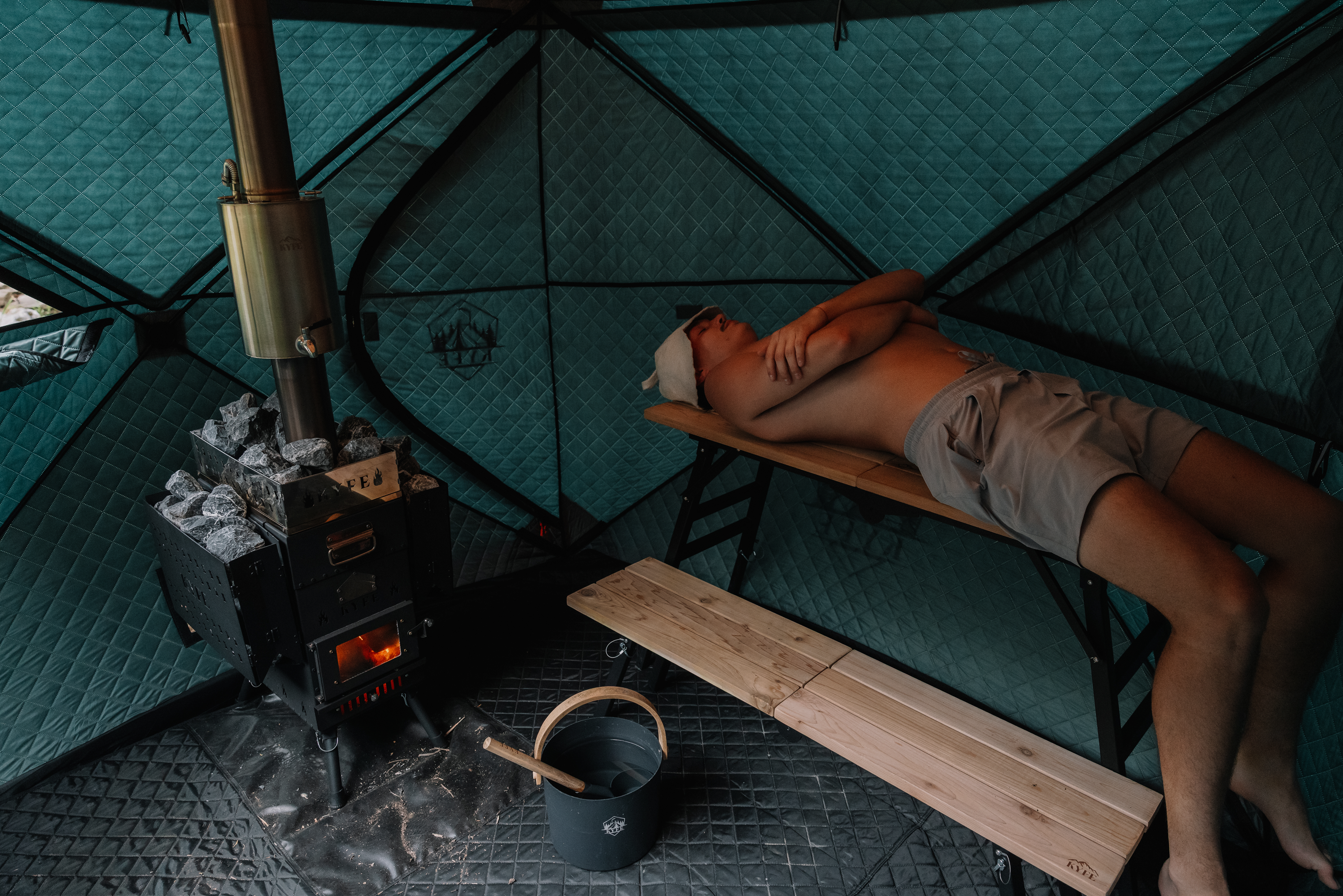
When illness strikes, the last thing you want is to drive to a gym, wait for a communal sauna, or worry about exposing others. With a Kyfe Sauna, you bring authentic wood-fired heat wherever you are. Full-size, portable, and ready in under an hour. Reach 200°F, pour water over real sauna stones for genuine löyly steam, and recover on your own schedule — in your backyard, on your patio, or wherever feels right. Because when you're under the weather, the best sauna is the one that's already yours.
Does Sauna Help Metabolism? What Heat Exposure Actually Does