


Getting a new tattoo and keeping up your sauna routine sounds simple enough. But the timing matters more than most people think. A fresh tattoo is a wound, and a sauna is one of the worst places for a wound to be.
This guide breaks down when it's safe to sit in the heat, what to avoid while your ink heals, and how to protect your body art for the long haul.
Quick Answer: Sauna Use With Fresh vs. Healed Tattoos
Can you go in a sauna with a new tattoo? No. A fresh tattoo is considered an open wound. The skin barrier is broken, and exposing it to sauna heat, steam, or shared surfaces puts your ink and your health at risk. This applies to every type of sauna: dry sauna, steam room, and infrared.
Once a tattoo is fully healed, sauna use does not damage tattoo ink. You can get back to your normal sauna routine without worry, as long as you're taking basic care of your skin afterward.
Here's the short version:
-
Fresh tattoo (days 1 to 14+): Open wound. No sauna sessions of any kind. No hot tub. No swimming. No soaking a new tattoo in water until fully healed.
-
Healing tattoo (peeling, scabbing, tender): Still not ready. Wait longer.
-
Fully healed tattoo (smooth skin, no scabs, no tenderness): You're good to go. Ease back in with shorter sessions.
Most people should wait at least two to four weeks before sauna use. Large or color-dense tattoos may require four to six weeks. Healing time varies by tattoo size and location, so check with your tattoo artist if you're unsure about your own healing process.
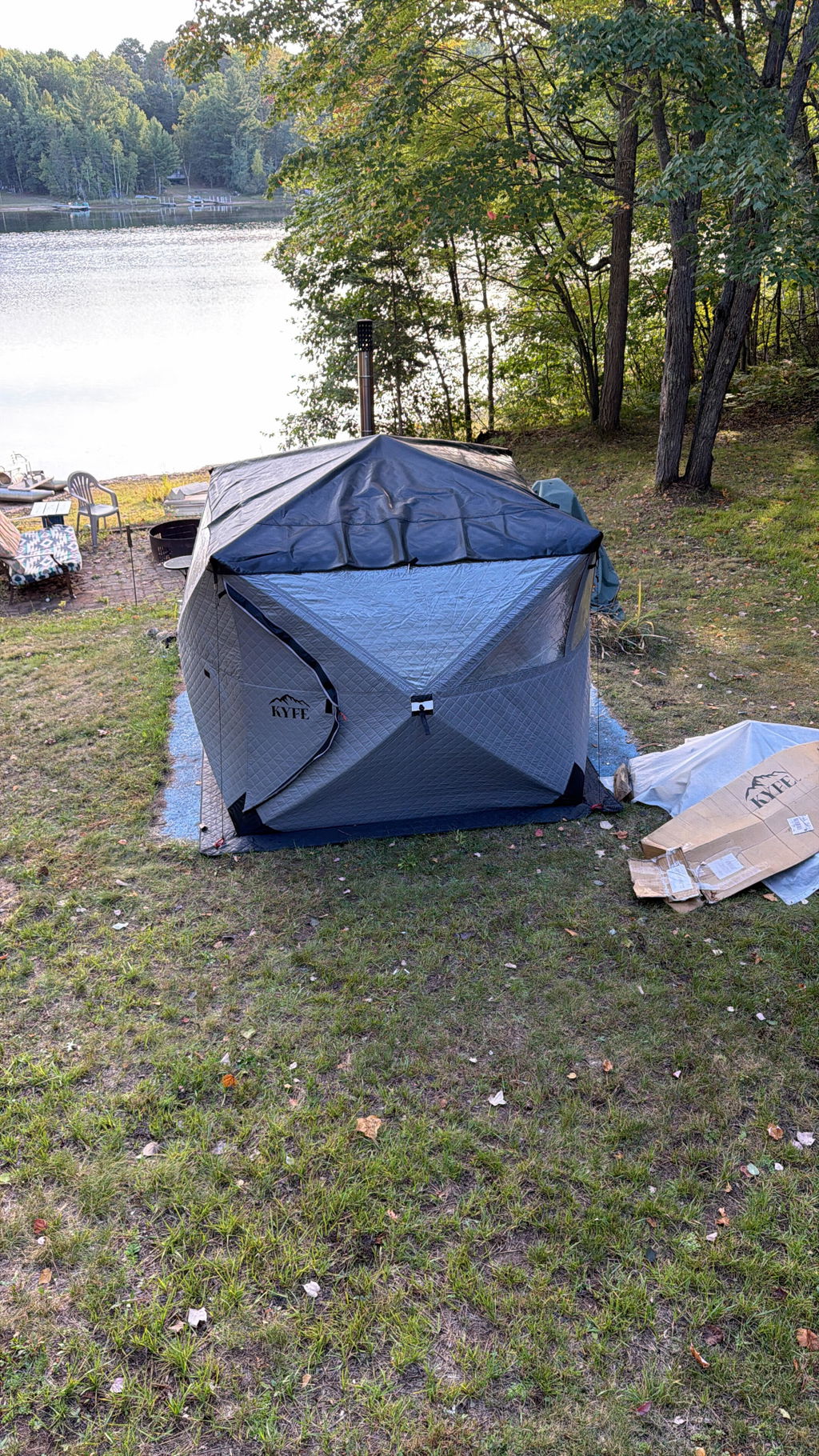
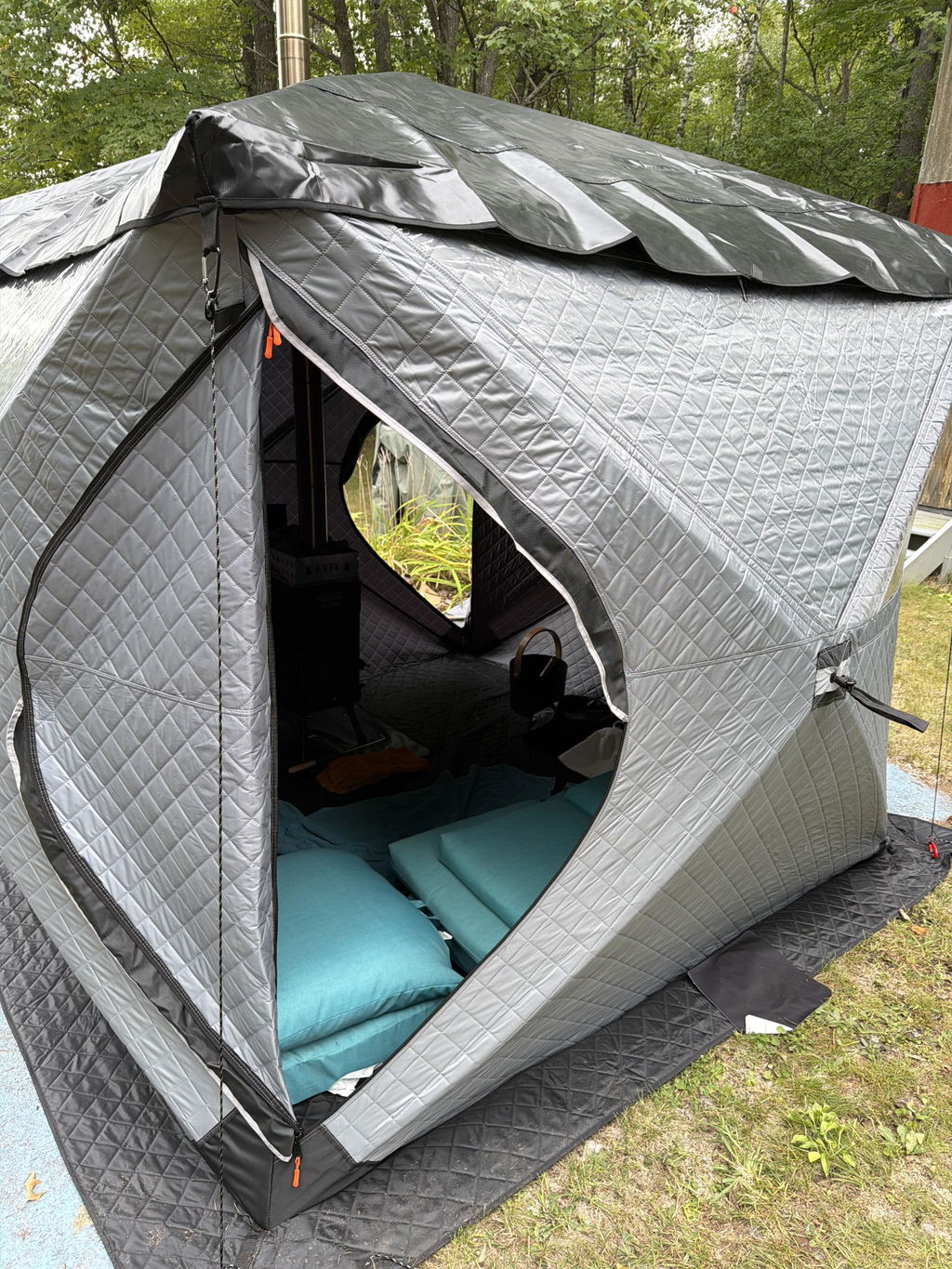
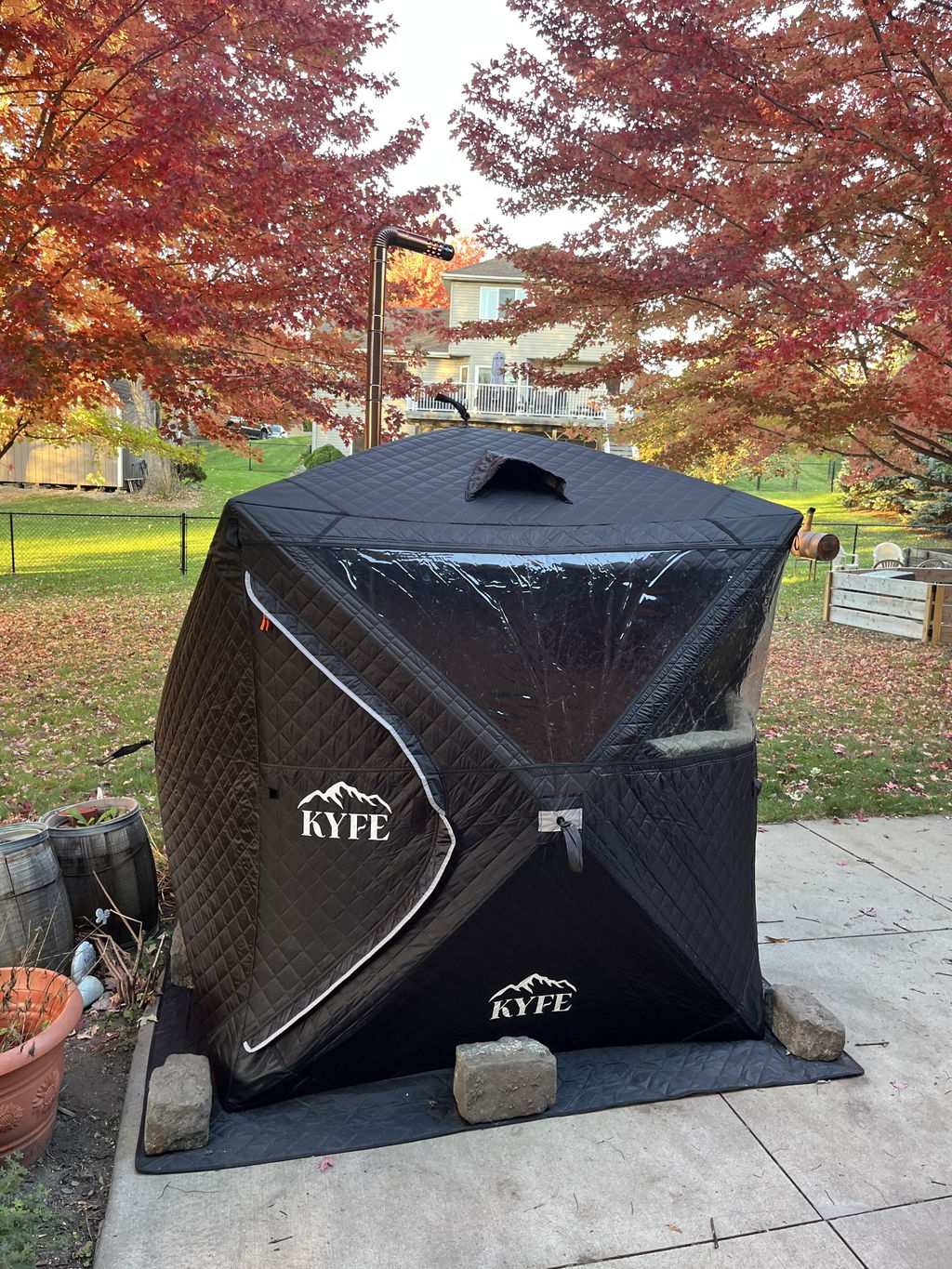
If you use a wood-fired Finnish-style sauna tent (like KYFE's), that same guidance applies. Once healed, just watch for any unusual redness or irritation during your first few sessions back.
What A New Tattoo Does To Your Skin
A tattoo needle punctures the top layer of skin thousands of times per session, depositing tattoo pigment into the dermis about 1 to 3 millimeters deep. That process creates an intentional wound across the entire design. Your body immediately starts working to close it.
Healing happens in stages:
-
Days 1 to 7: The skin barrier is broken. There may be plasma oozing, light bleeding, swelling, and redness. Infection risk is highest during this window. Heat and sweat can irritate healing skin and make things worse.
-
Weeks 1 to 4: The body forms scabs, new skin layers grow underneath, and peeling begins. The surface is closing but still fragile. This is not the time to expose your tattoo to heat, friction, or moisture.
-
Months 1 to 12: The deeper layers of the dermis continue remodeling. The tattoo settles into its final look over several months.
High temperatures can worsen redness, swelling, and tenderness in fresh tattoos. Increased blood flow from heat can delay the natural healing process of a fresh tattoo.
What you do off the bench matters too. Hydration, sleep, nutrition, and avoiding smoking all influence how quickly your skin recovers. Good care during the first few weeks sets up your ink for the long run.
Why Saunas And Fresh Tattoos Don't Mix
Picture a typical sauna session: air temperature between 175 and 212°F, waves of steam off the rocks, heavy sweating, bare skin resting on shared wooden benches. That's a great environment for relaxation. It's a terrible environment for an open wound.
Here's what goes wrong when you bring fresh ink into the heat:
-
Sauna heat slows down the healing process. Intense heat drives blood flow to the skin surface, which can disrupt the delicate tissue formation happening underneath a healing tattoo.
-
Excessive sweating can push ink out of fresh tattoos. Sweat flowing through open skin channels carries pigment with it. The result is patchy, blurred, or faded ink once the tattoo finally heals.
-
Moisture softens protective scabs. In a steam room or when you throw water on hot rocks, the humidity can keep a healing tattoo too wet. Moisture can cause scabs to bubble and increase infection risk. That slows re-epithelialization and can lead to worse scarring.
-
Saunas are warm, humid environments where bacteria thrive. Shared surfaces like benches, backrests, and ladles may harbor bacteria and fungi. Public saunas can introduce additional hygiene concerns for fresh tattoos. An open wound sitting on those surfaces is asking for trouble.
-
Excessive sweating can negatively affect a new tattoo even in a short session. If there's any scabbing, flaking, or tenderness, even five minutes is too long.
Professional tattoo aftercare instructions almost always list saunas, hot tubs, and steam rooms among the things to avoid during the first few weeks. There's a reason for that.
How Long To Wait: Timelines For Sauna After A New Tattoo
The calendar gives you a rough guide, but your skin gets the final say.
-
Small to medium tattoos: Surface healing typically takes 2 to 4 weeks. Wait at least two to four weeks after tattooing before considering any sauna session.
-
Large, heavily shaded, or color-dense tattoos: These often need 4 to 6 weeks for the outer skin to close and stabilize. Large tattoos may require four to six weeks to heal.
-
High-movement or thin-skin areas (wrists, ribs, feet, inner arm, joints): These spots stay irritated longer and are more sensitive to heat. Plan to wait longer before returning to sauna use.
If there is still scabbing, peeling, a shiny "plastic" look, or any pain, the tattoo is not completely healed and sauna should be postponed. Avoid saunas until all scabs and peeling resolve.
Think in terms of how the tattoo looks and feels, not just the number of weeks. A "few weeks" is a minimum, not a guarantee. Consult your tattoo artist for personalized advice, especially if you want to get back in the sauna sooner than four weeks. Send them a photo at your follow-up visit and ask.
How To Tell If Your Tattoo Is Fully Healed
"Fully healed" means more than just "no scabs left." It's about how the skin actually functions. Here's what to look for:
-
All scabs and flakes have fallen off on their own. No rough, raised, or crusty areas remain.
-
Redness, swelling, and warmth to the touch are completely gone across the entire design.
-
The tattooed skin feels the same way as the surrounding skin: smooth, not tight, not glossy, not milky.
-
The skin surface shows no oozing, persistent shine, or sensitivity to light touch. If it still feels painful or tender, the healing process isn't finished.
-
The ink looks settled. There's no sharp contrast between the tattooed area and surrounding skin that suggests deeper layers are still recovering.
If everything checks out, consider waiting an extra week before your first hot sauna session. This is especially smart for people who sauna frequently or who tend toward sensitive skin.
When in doubt, check with your artist. They know your specific tattoo, how your skin responded, and can give you an honest answer.
Saunas, Steam Rooms, And Infrared Saunas: What's Different For Tattoos?
Not every sauna puts the same kind of stress on your skin. Here's how the three main types compare, and what matters for your ink.
|
Type |
Temperature |
Humidity |
Key Tattoo Concern |
|---|---|---|---|
|
Dry sauna (wood-fired) |
160 to 212°F |
Low to moderate (steam bursts) |
Intense dry heat, heavy sweating |
|
Steam room |
110 to 120°F |
Near 100% |
Constant moisture, skin stays wet |
|
Infrared sauna |
120 to 140°F |
Low |
Radiant body heating, still causes sweat |
A dry sauna, like a wood-fired KYFE tent, uses high air temperature and relatively low base humidity. When you throw water on the rocks, you get bursts of steam that spike the humidity briefly. This triggers heavy sweating and raises skin temperature fast.
A steam room is lower in temperature but soaks the skin constantly. That prolonged moisture keeps a healing tattoo wet, which can slow the healing process and raise infection risk.
Infrared saunas operate at 120 to 140°F, cooler than traditional saunas. They heat the body directly with radiant energy. The air may feel milder, but your body still produces significant sweat once the session builds. Infrared saunas do not significantly reduce tattoo fading risks compared to traditional saunas.
For a fresh tattoo, all three carry similar risk. Sweating in saunas can push ink out of fresh tattoos regardless of whether the heat source is wood, steam, or infrared. Both sauna types require waiting for tattoos to fully heal. Traditional saunas create a humid environment that can irritate tattoos, and infrared sessions do the same through sweat production.
Once the tattoo is healed, the differences matter more for comfort than safety. Some people find infrared or moderate dry heat gentler on older tattoos and sensitive skin. But all types are fine for a healed tattoo.
Infection Risk: Why An Open Wound And Sauna Don't Mix
This one deserves its own section because infection is the biggest real danger of combining sauna use with open skin.
A fresh tattoo behaves like any wound: the skin barrier is compromised, the surface immune defenses are offline, and there are direct pathways for bacteria to enter. Sauna use before healing increases infection risk, period.
Here's how it happens:
-
Warm, moist sauna surfaces (benches, floors, ladles, buckets) encourage bacteria and fungi growth. Not every sauna gets sanitized between sessions.
-
Sweat can carry dirt, dead skin cells, and microbes into the tattoo's open channels before the wound has sealed.
-
Salt in sweat stings and further inflames healing tissue, adding stress to an already-burdened immune response.
According to a review published in The Lancet Microbe, over 50% of tattoo-associated bacterial infections show symptoms within two weeks of getting the tattoo. That lines up exactly with the highest-risk window.
Watch for these warning signs after any accidental sauna exposure with new ink:
-
Spreading or worsening redness beyond the tattoo borders
-
Increased pain or swelling that gets worse, not better
-
Pus or unusual discharge
-
Red streaks radiating outward
-
Fever or feeling unwell
If any of those signs appear, skip the sauna and see a doctor. Don't try to scratch, rub, or treat the area yourself.
Sauna Sessions With A Fully Healed Tattoo: Safe Practices
Good news: once your tattoo is completely healed, you can enjoy high-heat wood-fired sauna sessions without harming your ink. The key is being sensible about how you ease back in.
-
Start short. Your first few sessions back, keep it to 5 to 10 minutes at moderate temperature. Don't jump straight into a 200°F multi-round marathon.
-
Rinse after. Shower off sweat gently with lukewarm water after your session. Pat dry with a clean towel. Don't rub the tattooed area.
-
Moisturize. Apply a fragrance free moisturizer once your skin has cooled. Sauna heat primarily affects skin hydration rather than tattoo pigment structure, so keeping skin well-hydrated is essential for vibrant tattoo appearance after sauna use. Dehydrated skin can make tattoos look dull or washed out.
-
Monitor. Heat can temporarily cause itching or redness in sensitive skin after sauna use. If you notice unusual irritation on your tattoo after early post-healing sessions, take a break and let the skin rest before trying again.
-
Keep sessions moderate. Sauna sessions should be moderate to maintain skin elasticity and tattoo appearance. Over time, your skin adjusts, and you can return to your full routine.
Well-healed tattoos tolerate typical Finnish steam and contrast therapy (sauna plus cold plunge) very well when overall skin health is good.
Infrared Saunas And Tattoo Removal: Special Considerations
If you're going through laser tattoo removal, the treated skin goes through its own healing process that conflicts with sauna routines in the same way fresh ink does.
After a laser session, the treated area often swells, blisters, and peels. It functions as an open wound and needs a dry, clean environment to heal properly. Doctors and laser clinics usually advise avoiding hot tubs, swimming, steam rooms, and any sauna sessions for at least a few weeks after each treatment.
You might hear claims that infrared saunas help "detox" after removal by boosting circulation and lymph drainage. While general circulation benefits may exist, heat and sweat can still aggravate a healing removal site, potentially leading to worse scarring or slower recovery. There's no strong clinical evidence supporting infrared sauna for accelerating safe healing of laser wounds.
Treat the removal area the same way you'd treat a fresh tattoo: no sauna until the skin is fully healed and texture is back to normal. Once it is, standard sauna safety guidance applies, but expect the removal site to remain more sensitive to heat for a while.
KYFE Sauna Tents, Outdoor Wellness, And Tattoo Care
KYFE's portable wood-fired sauna tents are built for high-heat Finnish-style sessions, reaching up to around 200°F with authentic steam created by throwing water on hot rocks. That kind of intensity is exactly what makes a sauna feel like a sauna.
It's also exactly why you need to respect the healing window after getting a tattoo.
The good thing about owning your own setup is control. Because KYFE tents set up in minutes and heat in about 30, you can schedule sauna and cold plunge routines around your tattoo healing. Pause for a few weeks after getting your new ink, then gradually restart at home where you control the cleanliness, the temperature, and the session length.
Once your ink is fully healed, KYFE's contrast therapy combination (hot sauna followed by a cold plunge) can support overall circulation and skin health, which indirectly helps tattoos age well.
The rules are simple: no sauna with a new tattoo in the first few weeks, careful re-entry once fully healed, and you can both protect your ink and keep enjoying your outdoor wellness gear without compromise.
Practical Aftercare Tips For Sauna Lovers With New Ink
If you sauna regularly, a little planning goes a long way. Here's a checklist:
-
Time your tattoo wisely. Avoid getting a large back piece right before a multi-day sauna retreat or a cabin weekend. Give yourself a clear runway.
-
Take a full break. No sauna sessions for at least the first 2 weeks after getting fresh tattoos. For large or color-dense designs, plan on 4 to 6 weeks.
-
Stick to basic aftercare. During healing, focus on gentle cleaning, a light layer of moisturizer, and breathable clothing. Follow your artist's aftercare instructions exactly.
-
Skip the DIY hacks. Don't wrap your tattoo in cling film or plastic patches to "protect" it inside the sauna. Occlusion plus steam traps sweat against open skin, which increases infection risk.
-
Don't rush it. Think of the healing break as an investment. A few weeks of patience now means decades of sharp, vibrant ink in the sauna later.
The world of body art and the world of sauna wellness overlap perfectly. You just need to respect the order of operations.
Frequently Asked Questions About Saunas And Tattoos
Can I use a sauna with a fresh tattoo? No. While your tattoo is an open wound, peeling, or scabbing, stay out of the sauna entirely. This includes dry heat, steam, and infrared. The combination of heat, sweat, and bacteria on shared surfaces makes the risk too high. Wait until the tattoo is completely healed.
Is a dry sauna safer than a steam room for a new tattoo? Neither is safe until the tattoo is at least surface-healed and no longer an open wound. A dry sauna still drives heavy sweating and high skin-surface temperatures. A steam room adds constant moisture on top of that. Both expose healing skin to bacteria and both risk pigment loss. Save the comparison for after you've healed.
Does a sauna make my tattoo fade faster once it's healed? Normal sauna use is unlikely to cause dramatic fading on its own. Sauna heat primarily affects skin hydration, not pigment structure. Over many years, repeated heat and dryness might contribute to gradual fading if you neglect skincare. But UV exposure is a more established cause of tattoo fading than sauna heat. Wear sunscreen on your tattoos outdoors, moisturize after sessions, and your ink will hold up fine.
Are infrared saunas gentler on tattoos than traditional wood-fired saunas? For fresh tattoos, there's no meaningful difference. All heat sources produce sweat, and that's the problem. For healed tattoos, some people find infrared sessions feel milder because the air temperature stays lower. But sweat and heat are still present, so the same basic tattoo care applies after every session.
What should I do if I accidentally went in a sauna with a very new tattoo? Don't panic, but act quickly. Rinse the area gently with clean, lukewarm water. Wash with mild, fragrance-free soap. Pat dry with a clean towel. Go back to your standard aftercare routine. Monitor closely for signs of infection: spreading redness, increased pain, swelling, pus, or fever. If anything looks off, contact your tattoo artist or a healthcare provider.
When in doubt, who should I ask about my specific tattoo? Start with your tattoo artist. They know how your skin responded, the size and placement, the ink density. For unusual symptoms like pus, fever, spreading redness, or a scar forming where it shouldn't, visit a dermatologist or doctor.
Take good care of your new ink now, and it'll look great in the sauna for years. Plan your tattoo timing around your sessions, follow your artist's advice, and get back to the heat when your skin says it's ready. If you're looking for a setup that makes it easy to control your environment, check out KYFE's portable sauna tents and build a routine that works around your life.
Using a Sauna After Running: Recovery Benefits and Timing Tips