


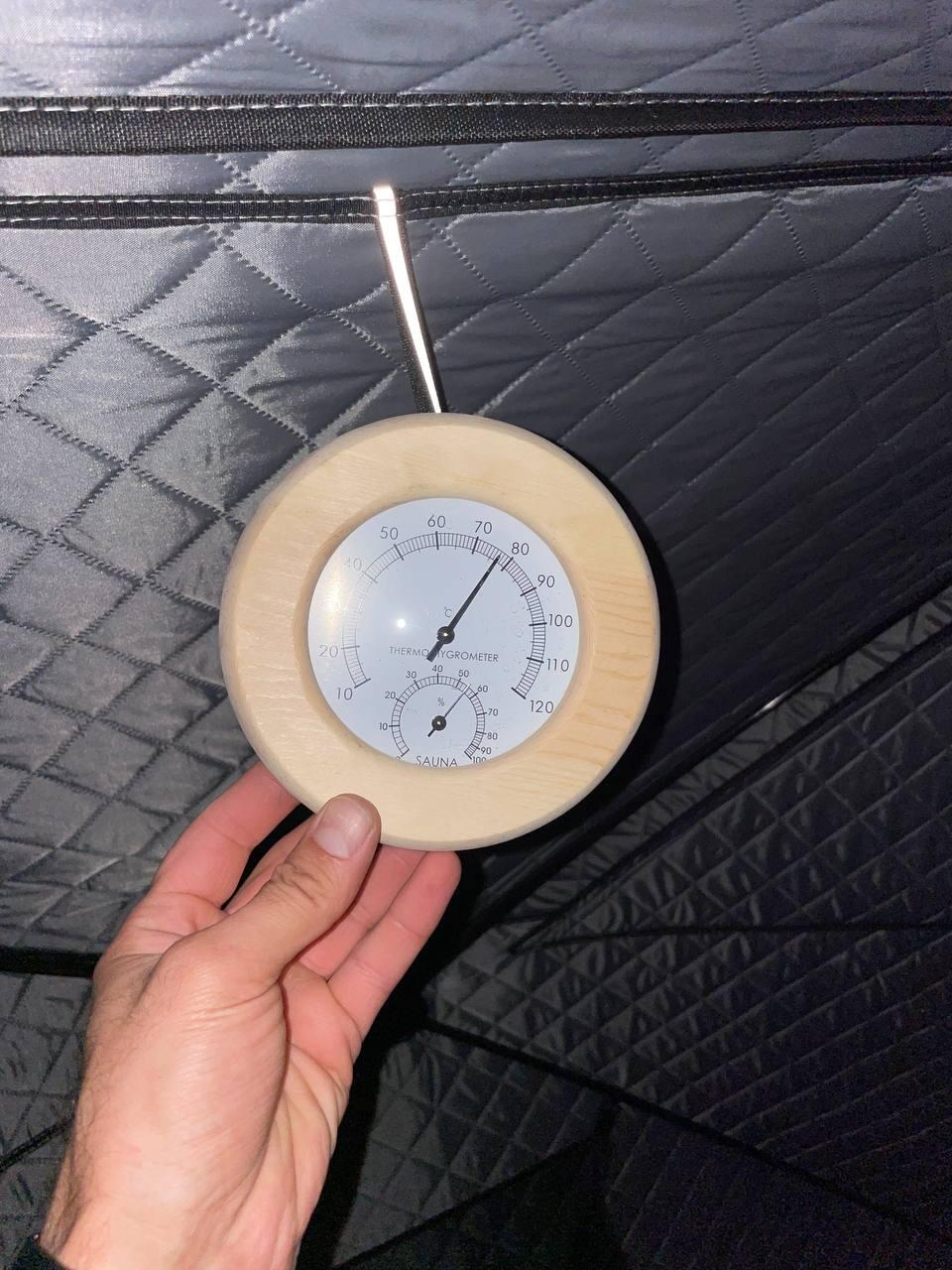
If you run regularly and you’re curious about sauna and running, the short answer is yes: adding sauna sessions to your routine can improve recovery, heat adaptation, sleep, and long-term endurance, especially when you use the sauna after a run for 10 to 20 minutes at traditional Finnish sauna temperatures around 175 to 190°F. For runners and outdoor wellness enthusiasts who want a practical way to pair training with recovery—whether at home, at a cabin, or in a portable setup like a KYFE wood-fired sauna tent—this can be a useful tool for both performance and mental reset.
The key is using it well. Timing, duration, sauna type, and hydration all matter, and so does matching sauna use to your training load. Below, you’ll learn how sauna benefits runners, when to use it before or after workouts, how to stay safe, how heat training works, what to know about different sauna options, and how to build simple routines that may also include cold plunge sessions.
Sauna + Running: Quick Answer for Busy Runners
Post exercise sauna bathing works best when used after runs, not before. If heat adaptation is your goal, a focused block of just three weeks with 3 to 4 sauna sessions per week can produce measurable improvements. For ongoing running recovery and mental health, longer-term use is where the biggest benefits show up.
-
A traditional Finnish sauna at 175 to 190°F (80 to 88°C) is far better studied for runners than an infrared sauna, though infrared can still help with lighter muscle recovery.
-
Sauna sessions should last 10 to 20 minutes. Start conservatively if you're new.
-
It's recommended to integrate sauna sessions 2 to 4 times a week for consistent adaptations.
-
Sauna supports faster recovery, better sleep, heat adaptation, and potentially improved endurance performance, but it does not replace core training, nutrition, or rest.
-
Watch your hydration. Drink 16 to 24 ounces of water before sauna use. Skip sauna if you have uncontrolled blood pressure or heart disease, or if you're already dehydrated.
-
KYFE portable wood-fired sauna tents paired with a cold plunge fit naturally into a runner's weekly recovery routine, whether you're in the backyard or at a campsite.
How Sauna Affects a Runner's Body
When you sit in a dry sauna at around 180°F (82 to 85°C), your body responds quickly. Heart rate climbs, blood vessels dilate to push more blood toward the skin, and you begin sweating heavily. Sauna exposure activates heat shock proteins that aid cellular repair and protect against oxidative stress. Cardiovascular conditioning in the sauna mimics moderate exercise by elevating heart rate, sometimes by 30 to 50% above resting levels.
Over repeated sessions, the real adaptations begin:
-
Increased plasma volume (studies report gains of 7 to 18% depending on protocol), which means more oxygen delivered to working muscles during runs.
-
More efficient sweating: earlier onset, higher sweat rate, and reduced electrolyte loss.
-
Lower resting heart rate and improved cardiovascular stability during warm-weather runs.
-
Sauna use can improve blood flow and circulation, helping clear metabolic by-products after training. This increased blood flow may ease muscle tension and reduce muscle soreness and stiffness post-run, though objective evidence on faster performance recovery remains mixed.
-
Moderate regular sauna use may support your immune system by reducing the incidence of common colds, helping you stay consistent through winter base training.
Blood pressure rises mildly during sauna heat, then typically drops after you exit due to vasodilation. This matters if you have high blood pressure or low blood pressure. If you're on medications that affect thermoregulation, seek medical advice before you use a sauna regularly.
Benefits of Sauna for Runners: Performance, Recovery and Mental Health
The health benefits of sauna for runners break into three areas: endurance and heat adaptation, physical recovery, and mental health.
Endurance and heat adaptation. A study on trained distance runners found that three weeks of post exercise sauna bathing increased run time to exhaustion by 32%. That corresponded to roughly a 1.9 to 2% improvement in 5K running performance. Sauna sessions can enhance plasma volume by up to 32%, and the sauna group in this study showed measurable gains in blood volume and red cell volume. Heat acclimation improves endurance performance in trained runners, particularly when racing in hot conditions.
Muscle recovery. Sauna can reduce muscle soreness and stiffness post-run through increased blood flow to tired muscles. Many athletes report that next-day easy runs feel smoother after a post run sauna the evening before. That said, sauna does not magically repair damaged tissue. It's a tool for perceived and circulatory recovery, not a shortcut around rest.
Mental health and sleep. Stress relief and mental relaxation from sauna bathing lower cortisol levels and release endorphins. Sauna sessions can enhance sleep quality for runners, which matters when you're juggling training with work and family. Sauna use enhances relaxation and may reduce stress and tension after a run. Regular sauna sessions can enhance cardiovascular health over time, adding another reason to make this a habit.
Many runners who own KYFE sauna tents pair evening sessions with a backyard cold plunge to unwind after intense training days, creating a ritual that supports both body and mind through every season.
Sauna After Running vs. Before Running
Sauna is best used after running, not before. Timing is critical when combining sauna and running to avoid taxing the cardiovascular system. Pre-run sauna raises your starting body temperature, accelerates dehydration, and puts additional stress on your nervous system before you've even laced up. That means lower workout quality on tempo and interval days.
-
Give your body 10 to 15 minutes post-run to let heart rate and core temperature drop. Walk, do light stretching, and sip water or an electrolyte drink.
-
After easy runs, a 10 to 20 minute sauna session is generally low risk and useful for recovery.
-
After a hard workout (intervals, tempo), either keep the session short and mild or skip it entirely. Avoid sauna use immediately after intense workouts to reduce recovery delays from thermal stress.
-
After long runs, especially in summer heat, you're better off rehydrating and resting. Adding sauna heat to an already heat-stressed body can push things too far.
-
Experienced runners preparing for a hot marathon can occasionally try short, carefully planned pre-run sauna exposure, but this requires close attention to hydration and should not be an everyday practice.
-
Running after a full sauna session is generally discouraged. Body temperature is elevated, blood pressure may be unstable, and injury risk goes up. Let sauna be the final stressor of the day.
Heat Training and Heat Adaptation: Building Tolerance in Just Three Weeks
If you're racing a July marathon, heading to a hot-climate event, or just tired of feeling crushed on summer long runs, a focused sauna protocol can help. Passive heat from sauna drives many of the same thermoregulatory adaptations as running in the heat, without the extra pounding on your joints.
-
Start sauna sessions conservatively if new to heat exposure: 8 to 10 minutes in a traditional sauna at 175 to 185°F (80 to 85°C). Gradually building sauna session duration helps improve tolerance and benefits from heat exposure.
-
Over three weeks of 3 to 4 sessions per week, research shows runners can expect: increased plasma volume, lower heart rate at a given pace in the heat, improved sweat rate, and better perceived comfort.
-
Three weeks of sauna use can significantly improve heat tolerance. Heat acclimation can lower core temperature during exercise, which is a meaningful advantage when racing in hot conditions.
-
First few sessions bring rapid gains in increasing blood volume and earlier sweat onset. By mid-protocol, heart rate at race pace in heat drops noticeably. After three weeks, cardiovascular stability and endurance running performance improve.
-
More heat or longer sessions are not always better. Progressive buildup prevents overtraining and keeps your sauna protocol sustainable.
-
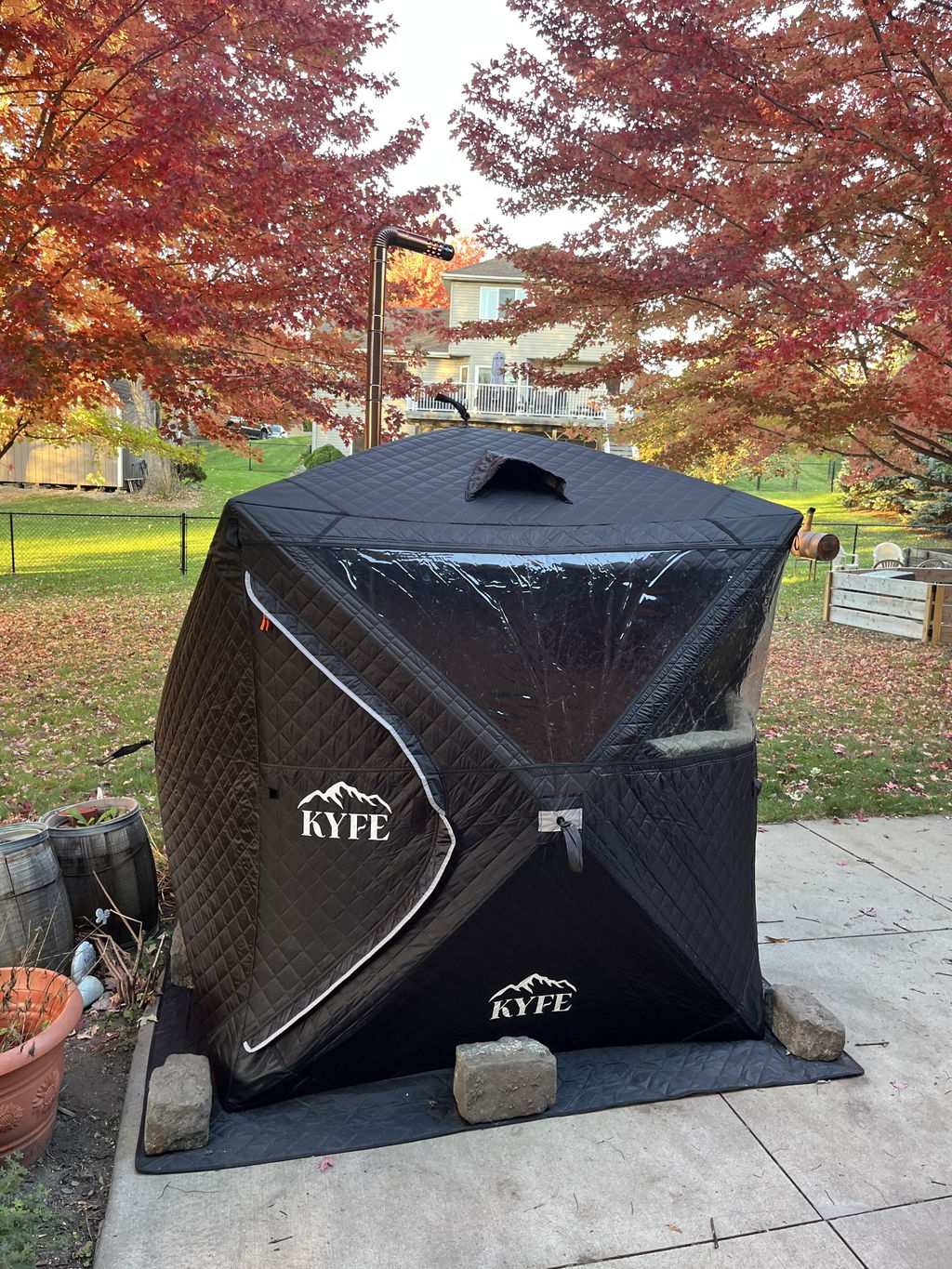
A KYFE wood-fired sauna tent can reach up to 200°F, making it effective for heat acclimation even during cooler shoulder seasons when outdoor temperatures won't do the job.
Hydration, Blood Pressure and Safety Guidelines for Runner Sauna Use
Dehydration and blood pressure swings are the main risks when adding sauna to a running routine. Running already depletes fluids. Sauna multiplies that loss. Good hydration practices are essential before entering the sauna after running.
-
Drink 16 to 24 oz (500 to 750 ml) of water or a light electrolyte drink in the hour after your run and before entering the sauna. Continue sipping after you exit.
-
Weigh yourself to track fluid loss and rehydrate adequately with water and electrolytes. Aim to replace roughly 150% of total fluid lost across your run and sauna session.
-
Avoid sauna if feeling dizzy, nauseous, or dehydrated. Watch for chest pain, confusion, severe weakness, pounding headache, or a rapid heartbeat that feels disproportionate to the heat. Exit immediately if any of these appear, cool down, and seek medical help if symptoms persist.
-
Get medical clearance before regular sauna use if you have heart disease, uncontrolled high blood pressure, very low blood pressure, kidney disease, or if you are pregnant. Certain medications (diuretics, some blood pressure drugs) impair thermoregulation and change how your body handles sauna heat.
-
Skip sauna after racing in extreme heat, when feeling ill, after a run with signs of heat illness, or when significantly dehydrated. Skip alcohol before and after sessions.
Choosing the Right Sauna Type: Dry, Finnish, Infrared and Portable Options
Not all saunas deliver the same benefits for runners. The type of heat, the temperature range, and the humidity level all influence what you get out of a session.
-
Traditional Finnish sauna (dry sauna). Finnish saunas operate at 80 to 90°C (176 to 194°F) with low humidity. Traditional saunas use heated stones for dry heat exposure, with optional water poured over them for bursts of steam. Most running and heat adaptation studies are based on this environment. Dry saunas typically reach temperatures of 160 to 200°F. This is the gold standard for endurance athletes.
-
Infrared sauna. Infrared saunas operate at lower temperatures, 120 to 150°F. They warm the body through radiant energy rather than hot air. The cardiovascular and heat adaptation stimulus is milder, making infrared a decent option for gentle muscle recovery or runners who are sensitive to more heat. But the same benefits reported in traditional sauna studies cannot be assumed for infrared.
-
Steam room. Steam saunas range from 100 to 120°F with high humidity. They feel intense, but the weaker cardiovascular training effect compared to high-temperature dry saunas makes them less effective for heat adaptation.
-
Hot tub. Water immersion provides some warmth but lacks the air-based heat stimulus of a proper sauna. Not a substitute for serious heat training.
-
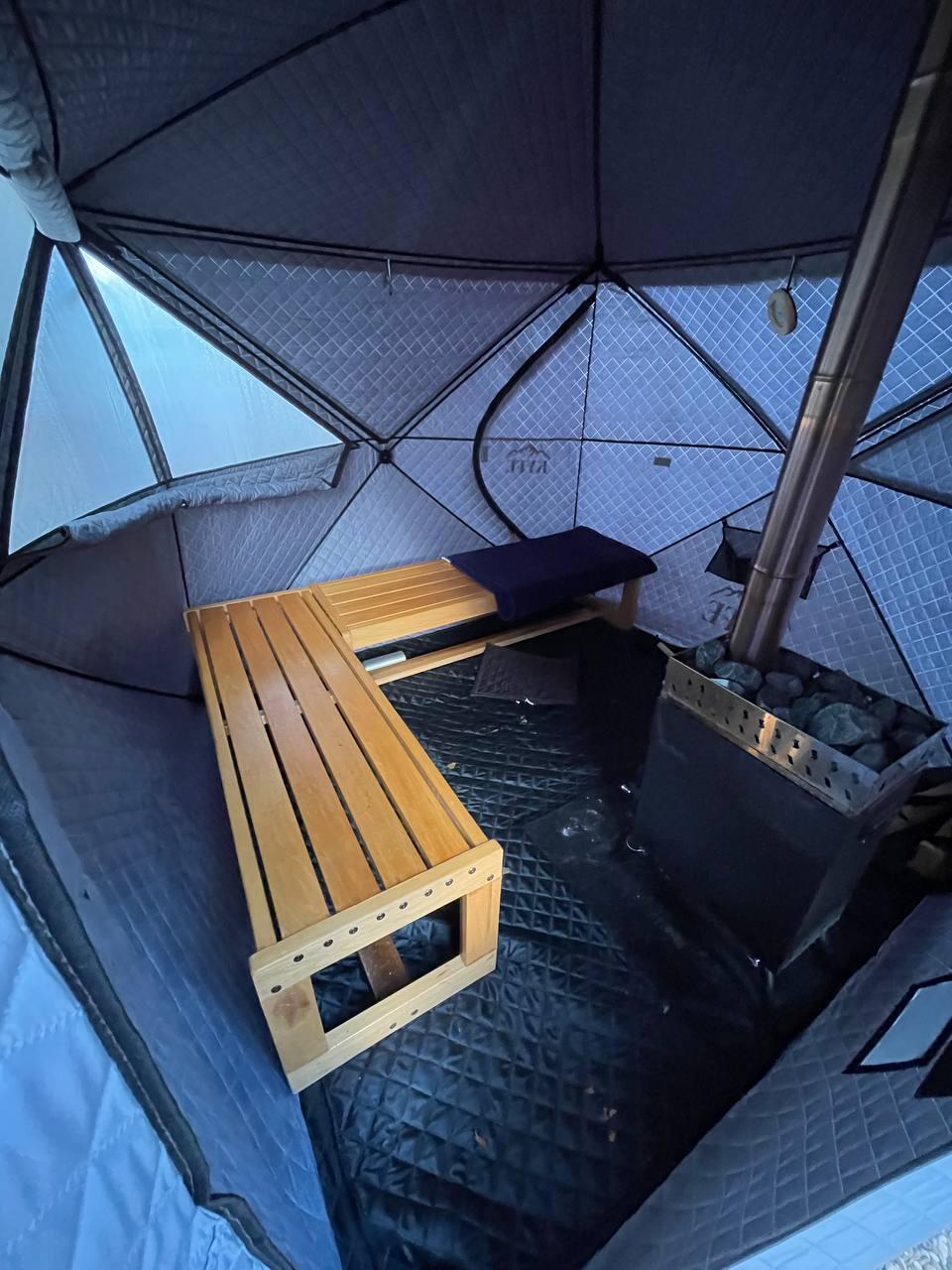
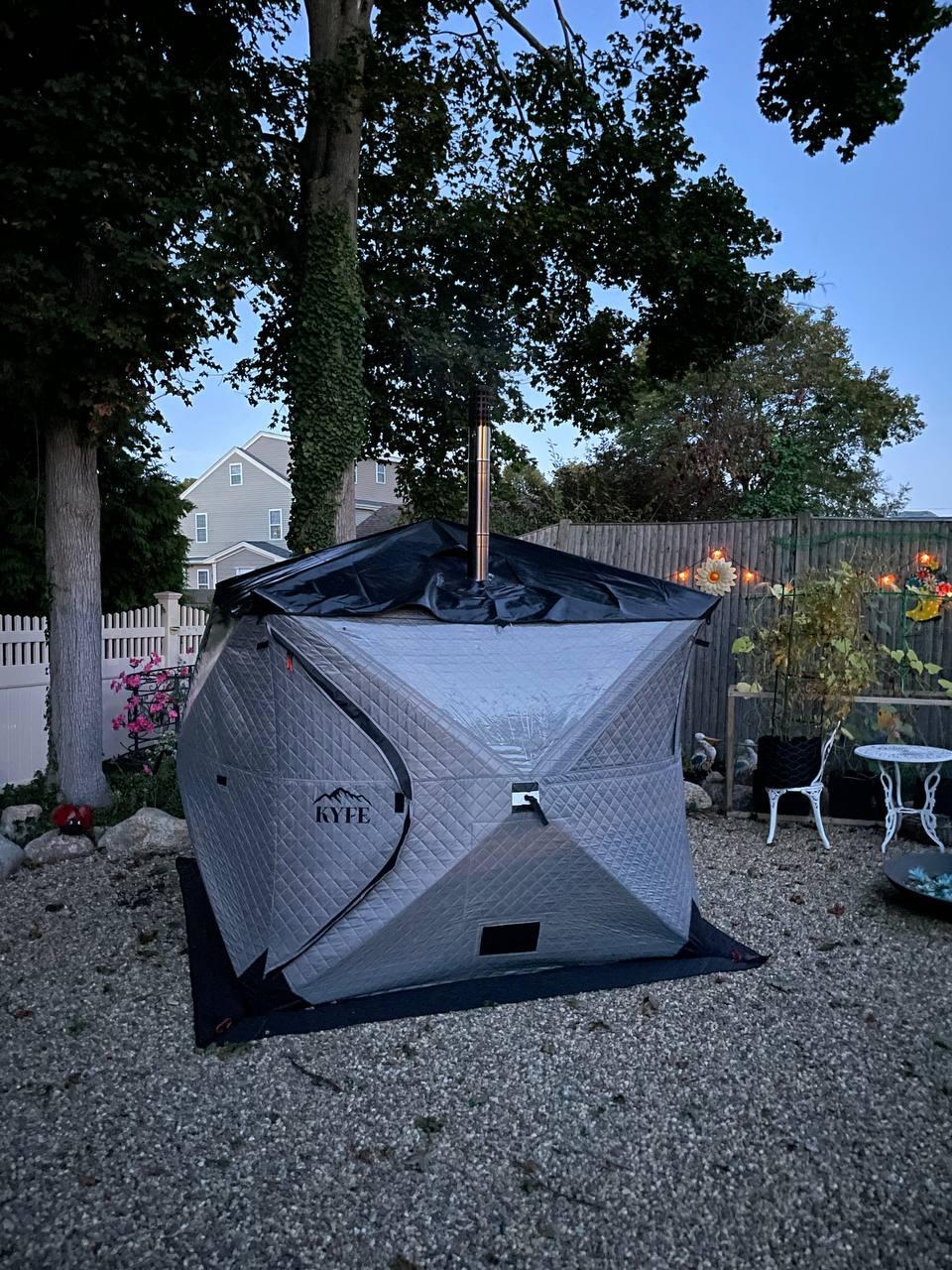
Portable wood-fired sauna tents. Products like KYFE's bring authentic Finnish-style steam and high heat to your backyard or campsite. No permanent build, no contractor, no electric heaters. Setup takes minutes, heat-up about 30 minutes. Heated stones and real fire give you the full experience, and you can pair it with a cold plunge for contrast therapy.
Sample Post-Run Sauna and Cold Plunge Routine for Runners
Alternating sauna heat with cold water is a classic approach for physical recovery and mental reset. Here's a routine you can follow 2 to 4 times a week:
-
Finish your run. Cool down for 10 to 15 minutes with walking and light stretching.
-
Hydrate with 16 to 24 oz of water or electrolyte drink.
-
Enter the sauna for 10 to 15 minutes at 175 to 190°F.
-
Exit and move to a cold plunge or cold shower at 45 to 55°F (7 to 13°C) for 1 to 3 minutes. Beginners should start warmer and shorter. An ice bath works too.
-
Rest for 5 to 10 minutes. Sip water.
-
Optionally repeat a second, shorter heat phase (5 to 10 minutes), then finish with cold water.
Recovery focused: longer rest periods, milder cold, shorter sauna. Heat adaptation focused: more continuous sauna exposure, skip aggressive cold immediately after (it may slightly blunt heat adaptation signaling).
KYFE packages a free cold plunge tub with their sauna tents, so you can set up a complete hot-cold routine at home without needing gym access.
Integrating Sauna Into a Runner's Week: Practical Schedules and Seasons
Sauna is an additional stress on your body. It needs to fit around your key workouts, not compete with them. Sauna sessions can boost cardiovascular efficiency and aid relaxation when combined with running, but only if the schedule makes sense.
-
Monday: Easy run plus 10 to 15 minute sauna session.
-
Tuesday: Interval or tempo workout. Skip sauna or keep it very brief.
-
Wednesday: Cross-training or rest day. Sauna tent plus cold plunge, focused on recovery.
-
Thursday: Medium run. Sauna only if well hydrated and recovered.
-
Friday: Easy run or rest. Sauna to prep for the weekend long run.
-
Saturday: Long run. Usually skip sauna to avoid overload.
-
Sunday: Rest day. Standalone sauna for relaxation and mental health.
Seasonal adjustments matter. In winter base training, lean into recovery benefits and immune system support with longer, less frequent sessions. In late spring, shift toward heat adaptation protocols before hot races. During race week or peak mileage, taper sauna exposure to avoid additional stress. On rest days, many athletes enjoy standalone sauna sessions purely for relaxation. If time or energy is limited, always prioritize running, fueling, and sleep over sauna. Adding sauna is a worthwhile enhancement, not a replacement for the fundamentals.
Frequently Asked Questions About Sauna and Running
Does sauna improve VO₂ max or race times? Small studies are promising. One showed a 32% increase in time to exhaustion and roughly 2% improvement in 5K performance after three weeks of post exercise sauna use. But large-scale evidence is limited. Sauna is a supplement, not a replacement for training.
How long should runners stay in the sauna? Start with 8 to 10 minutes and build gradually to 15 to 20 minutes, 2 to 4 times per week. Heat widens blood vessels and puts real load on the cardiovascular system, so respect the progression.
Can runners with high blood pressure or heart conditions use a sauna? They can, but only after medical clearance. Use conservative protocols: lower temperature, shorter duration, careful hydration. Seek medical advice if you experience any warning symptoms. Lung capacity and overall fitness should also factor into your approach.
Is an infrared sauna good enough? Infrared can deliver relaxation, improved circulation, and some recovery benefits. But it may not provide the same benefits as a traditional sauna for full heat adaptation or meaningful plasma volume expansion.
When should I avoid cold plunge after a run? If your priority is maximal heat adaptation signaling, skip aggressive cold immediately after sauna. Also avoid cold water immersion if you're already hypothermic, overtrained, or have circulatory problems.
How do I set up a home sauna routine? Portable wood-fired sauna tents like KYFE's are the simplest path. Quick setup, authentic high heat, and a free cold plunge tub included. No permanent construction. Just light the fire, grab a towel, and build the habit.
Wood Burning Sauna Stove: Complete Buyer's Guide for Portable & Backyard Saunas