

Most recovery advice for athletes falls into one of two categories: too vague to be useful, or too theoretical to be practical. "Use contrast therapy" tells you nothing about when, how long, how cold, or how to structure it around your actual training week.
This is the protocol. Specific temperatures, round structures, timing relative to training, and the honest answer to the question most guides avoid — whether cold exposure after training helps or hurts your gains. Written for athletes who train seriously and recover intentionally, not for casual wellness browsers.
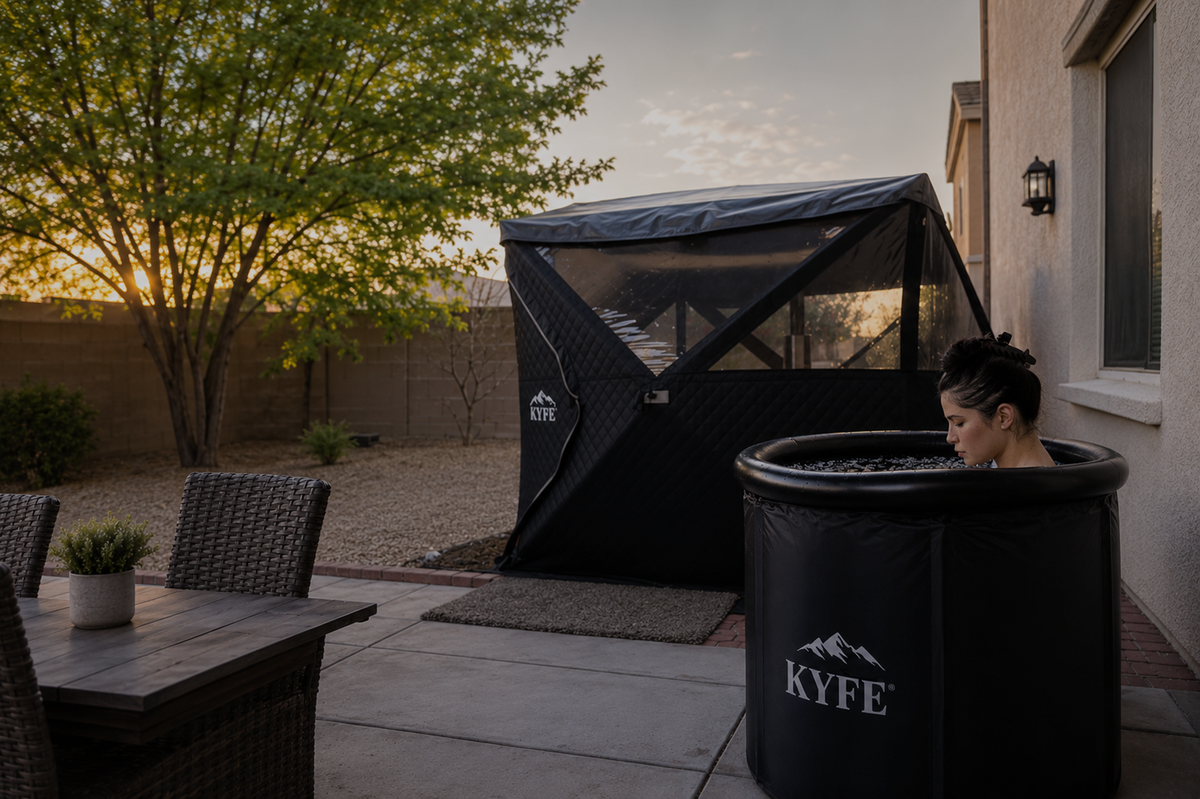
The Kyfe Portable Sauna Tent reaches 200°F. The Kyfe POD cold plunge is included free with every order. Together they form the most effective home contrast therapy system available — and this blog tells you exactly how to use them.
What Heat Actually Does to Recovering Muscle
Understanding the mechanism matters before following the protocol. Heat doesn't just relax muscles. At the temperatures produced by a wood-fired sauna — 170°F to 200°F — it triggers a specific cascade of physiological responses that directly accelerate recovery and improve performance over time.
Vasodilation and nutrient delivery. High ambient heat causes blood vessels to dilate significantly, increasing blood flow to peripheral tissue including fatigued muscle. That increased blood flow delivers oxygen and nutrients — glucose, amino acids, growth factors — directly to the tissue that needs repair. This is the foundation of heat's recovery benefit and it happens within minutes of entering a genuine high-heat environment.
Heat shock protein activation. This is the mechanism most athletes aren't aware of but should be. Heat shock proteins (HSPs) are molecular chaperones that support cellular repair, protect muscle proteins from degradation, reduce inflammation at the cellular level, and accelerate the recovery of damaged tissue. HSP production is triggered by thermal stress — specifically by elevating core body temperature meaningfully above baseline. The higher the core temperature and the longer the exposure, the stronger the HSP response. Sessions at 170°F+ produce significantly more HSP activation than lower-temperature heat exposure.
Growth hormone release. A landmark study found that two one-hour sauna sessions per day for seven days produced a 16-fold increase in growth hormone levels. While most athletes won't session at that frequency or duration, even two to three 20-minute sessions at 200°F produce a measurable growth hormone response that supports muscle protein synthesis and recovery.
Metabolic waste clearance. Intense training produces metabolic byproducts including lactate, urea, and inflammatory cytokines that accumulate in muscle tissue and contribute to soreness and fatigue. Elevated core temperature accelerates the clearance of these byproducts through increased circulation and sweating. Post-training sauna use is one of the most effective ways to accelerate this clearance process.
Read more about what heat exposure does to your body's metabolic processes in our post on how sauna affects metabolism.
What Cold Does to Recovering Muscle
Cold exposure through immersion — not a cold shower, not an ice pack, but full-body cold plunge — produces a complementary set of responses that work synergistically with heat when properly sequenced.
Vasoconstriction and the pump effect. Where heat dilates blood vessels and drives blood to the periphery, cold causes rapid vasoconstriction — blood vessels contract and blood is driven back to the core. When you alternate between heat and cold, this creates a powerful circulatory pump effect: vasodilation, vasoconstriction, vasodilation again. Each cycle forces blood through peripheral muscle tissue in a way that passive rest never achieves. Metabolic waste is flushed. Fresh oxygenated blood fills the space.
Inflammation modulation. Cold immersion reduces acute inflammation by slowing nerve conduction, reducing prostaglandin production, and decreasing the activity of inflammatory cytokines in muscle tissue. This is why ice baths have been used in elite sport for decades. The anti-inflammatory effect of proper cold immersion is one of the strongest non-pharmaceutical recovery interventions available.
Norepinephrine release. Cold water immersion triggers a significant release of norepinephrine — a catecholamine involved in focus, energy, and mood regulation. The norepinephrine response to cold plunge is one reason athletes consistently report a clear-headed, energized state for hours after a contrast therapy session. This isn't placebo — it is a documented neurochemical response to cold exposure.
Reducing DOMS. Delayed onset muscle soreness — the soreness that peaks 24–48 hours after training — is significantly reduced by cold water immersion when used correctly. Multiple studies show meaningful reductions in DOMS with post-training cold exposure. For athletes training on back-to-back days, this reduction in soreness directly supports training quality and consistency.
Learn more about cold plunge in our post on 5 potential benefits of sauna and cold plunge.
Why the Combination Beats Either Alone
Heat alone and cold alone both produce real recovery benefits. The research consistently shows that contrast therapy — alternating between the two — produces better outcomes than either in isolation. The reason is the pump mechanism described above, but there's more to it than circulation alone.
The physiological states produced by heat and cold are opposites. Heat is expansive — vasodilation, sweat, elevated heart rate, parasympathetic shift. Cold is contractive — vasoconstriction, alertness, norepinephrine surge. Moving between these states repeatedly in a single session trains your body's ability to regulate itself across a wider range of conditions. Over time, regular contrast therapy improves heart rate variability, vascular elasticity, and autonomic nervous system function — markers that correlate strongly with recovery capacity and long-term athletic performance.
A 2021 study published in the International Journal of Sports Physiology and Performance found that a 15-minute sauna session followed by a 3-minute cold plunge accelerated strength recovery by 25% compared to passive rest. That's not a marginal benefit — for athletes training at high frequency, 25% faster strength recovery means more quality training sessions per week and faster long-term progression.
The Honest Answer on Hypertrophy vs Recovery
This is the question most contrast therapy guides avoid because the answer is nuanced. Here it is directly.
Cold exposure immediately after strength training can blunt the muscle-building adaptations from that session. This is well-documented physiology — not opinion. Inflammation is one of the signals that tells muscle tissue to adapt and grow. Cold plunge reduces inflammation. Done immediately post-training on a hypertrophy-focused session, it can partially suppress the adaptive signal you just trained to create.
This does not mean you should avoid cold plunge on training days. It means timing matters.
For hypertrophy-focused training (strength, muscle building): Wait at least 4–6 hours post-training before cold plunge. Better yet, do your contrast therapy session the following morning. The adaptive signal from training will have been received by the tissue. The cold exposure then accelerates recovery for the next session without blunting the current one.
For performance and recovery-focused training (endurance, high-frequency training, competition prep): Cold exposure closer to training is appropriate and beneficial. When the primary goal is soreness reduction and readiness for tomorrow's session rather than maximizing muscle hypertrophy, the anti-inflammatory benefit of post-training cold outweighs the minor blunting of adaptation.
For competition week: Contrast therapy is one of the most effective tools for tapering and maintaining readiness. Daily sessions in competition week support peak performance — the hypertrophy concern is irrelevant when the goal is performance, not growth.
The Athlete's Protocol: Rounds, Temperatures, and Timing
This is the specific protocol. Adjust based on your goals, training phase, and individual tolerance.
Equipment needed:
- Kyfe Portable Sauna Tent — wood-fired, reaches 200°F in under 30 minutes
- Kyfe POD Cold Plunge — available as a standalone or included free with sauna purchase
Target temperatures:
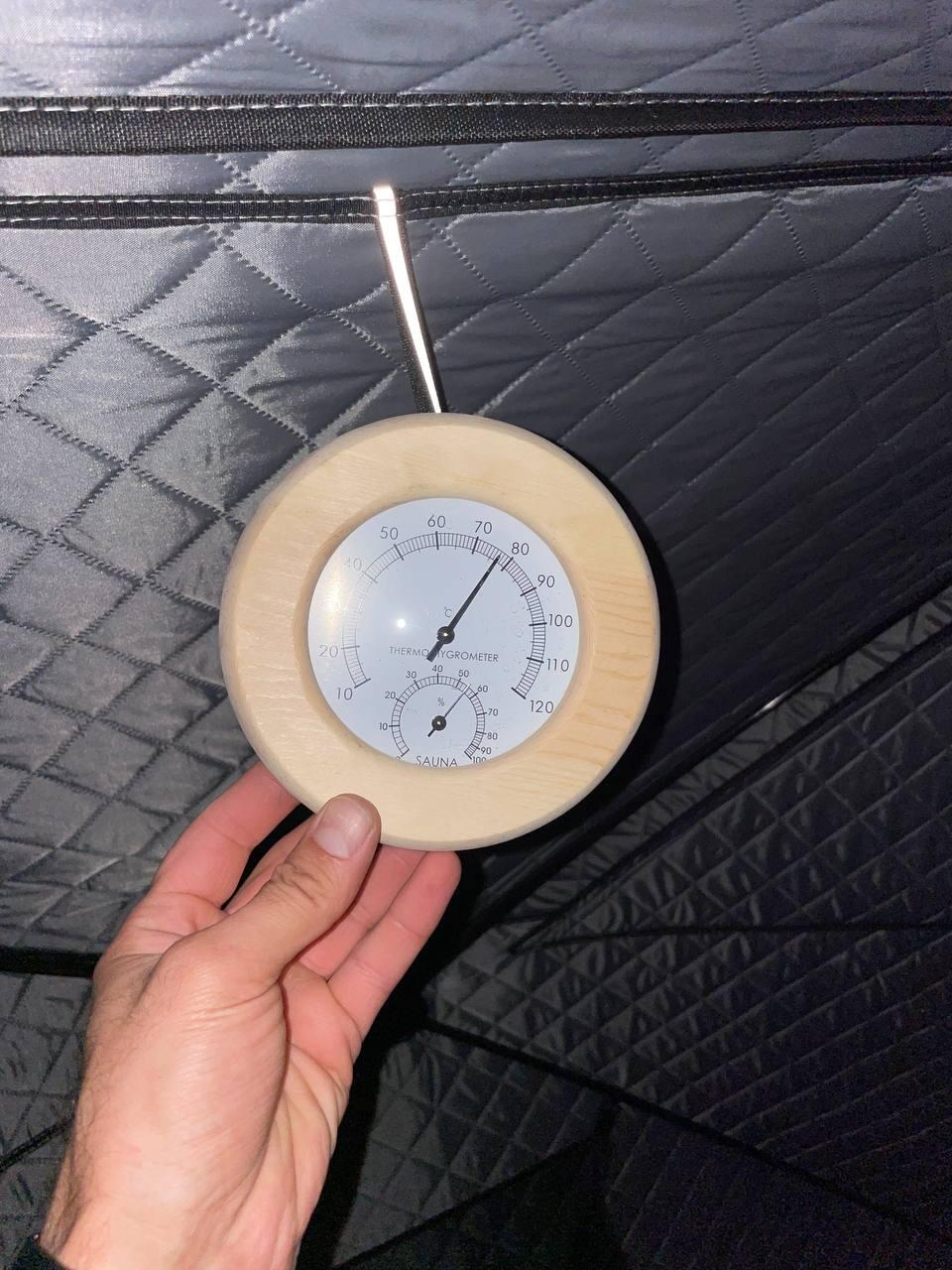
- Sauna: 170–200°F (start at the lower end, build toward higher temperatures over time)
- Cold plunge: 50–59°F (10–15°C) — this is the research-supported range for cold immersion benefit
Standard recovery protocol (3 rounds):
Round 1: 12–15 minutes in the Kyfe at 170–180°F. Exit. Cold plunge for 2–3 minutes at 50–59°F. Rest 3–5 minutes.
Round 2: 12–15 minutes in the Kyfe at 180–190°F (stoke the fire between rounds). Exit. Cold plunge for 2–3 minutes. Rest 3–5 minutes.
Round 3: 10–12 minutes in the Kyfe at peak temperature (as high as your tolerance and session intent allow). Exit. Cold plunge for 2–3 minutes. Done.
Total session time: 60–75 minutes including transitions and rest periods.
Hydration: Drink 16–20oz of water with electrolytes before the session. Drink another 16–20oz immediately after. You will lose significant fluid and electrolytes through sweating — water alone is not sufficient replacement.
Session frequency: 3–4 times per week for active training phases. Daily is appropriate in competition week or during high-volume training blocks. Once or twice per week is the minimum to see compounding benefit over time.
How to Structure Contrast Therapy Around Your Training Week
Knowing how to use contrast therapy is one thing. Knowing where it fits in your actual training week is another. Here's how to structure it depending on your training model.
Strength training athletes (3–5 days/week): Use contrast therapy on training days — same day, same afternoon or evening, 4–6 hours post-session if hypertrophy is the goal. Use it the morning after your hardest sessions. Reserve one or two weekly sessions for pure rest with no thermal stress if training volume is high.
Endurance athletes (daily or near-daily training): Contrast therapy is most valuable here. The anti-inflammatory and circulatory benefits of daily sessions support the high-frequency demands of endurance training. Timing is less critical for hypertrophy concerns — use it post-training when it fits.
Team sport athletes (in-season): In-season, recovery is the priority. Daily or every-other-day contrast therapy through competition and training periods supports readiness. The week before competition — taper week — is when contrast therapy is most impactful for performance.
During deload or recovery weeks: Daily low-intensity contrast therapy sessions during deload weeks accelerate full recovery and prepare the body for the next loading block. These sessions can be lighter — lower temperatures, shorter rounds, focusing on the relaxation and circulatory benefits rather than the thermal stress.
Read more about how often to sauna and how to structure sessions in our post on how often you should use a sauna.
The Kyfe Setup: A Complete Contrast Therapy System at Home
For most athletes, the primary barrier to consistent contrast therapy isn't knowledge — it's access. Gym saunas are shared, inconsistent, and unavailable at the times you need them. Ice baths require setup. Commercial contrast therapy facilities are expensive and require scheduling.
The Kyfe removes every one of those barriers.
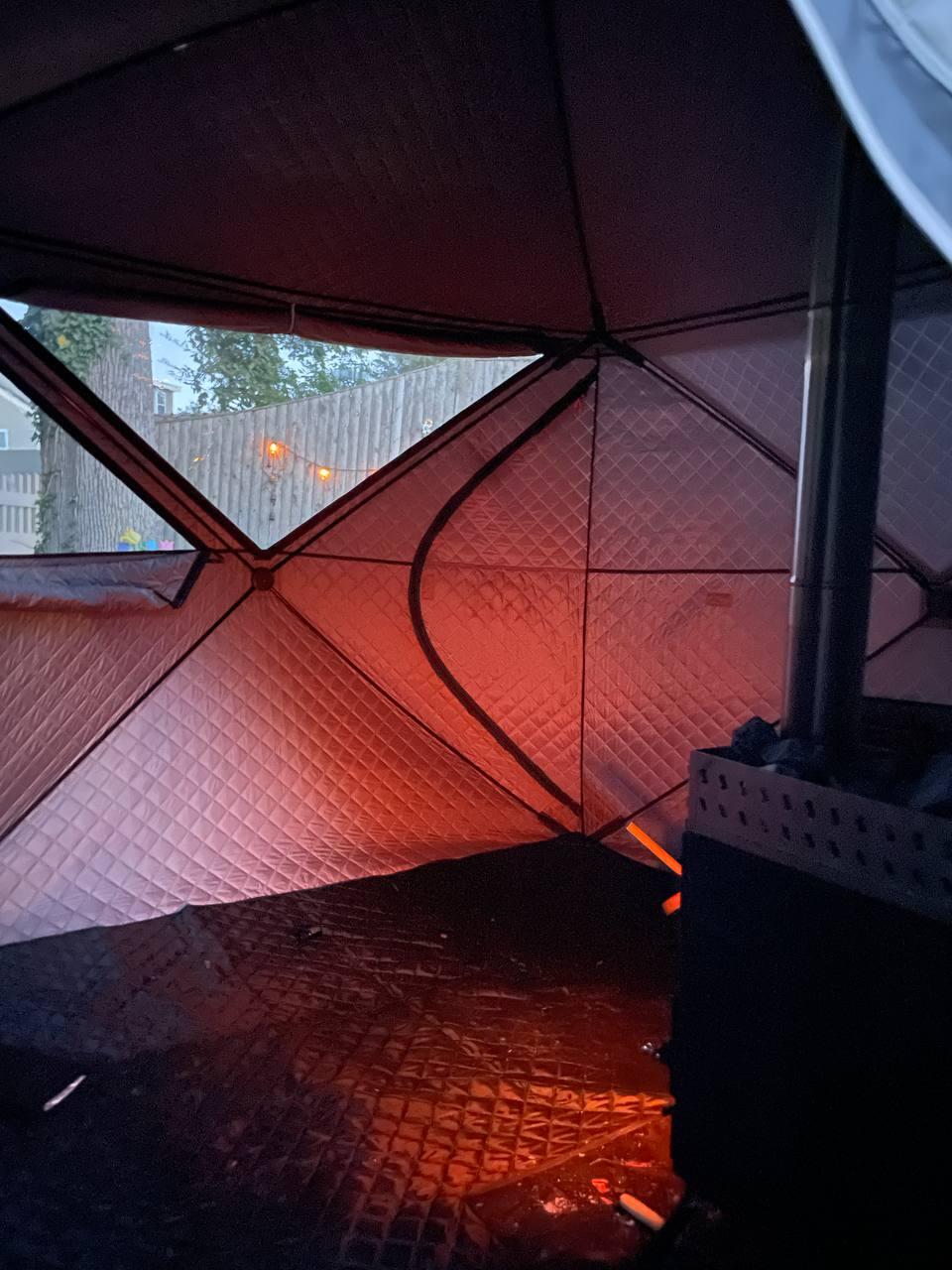
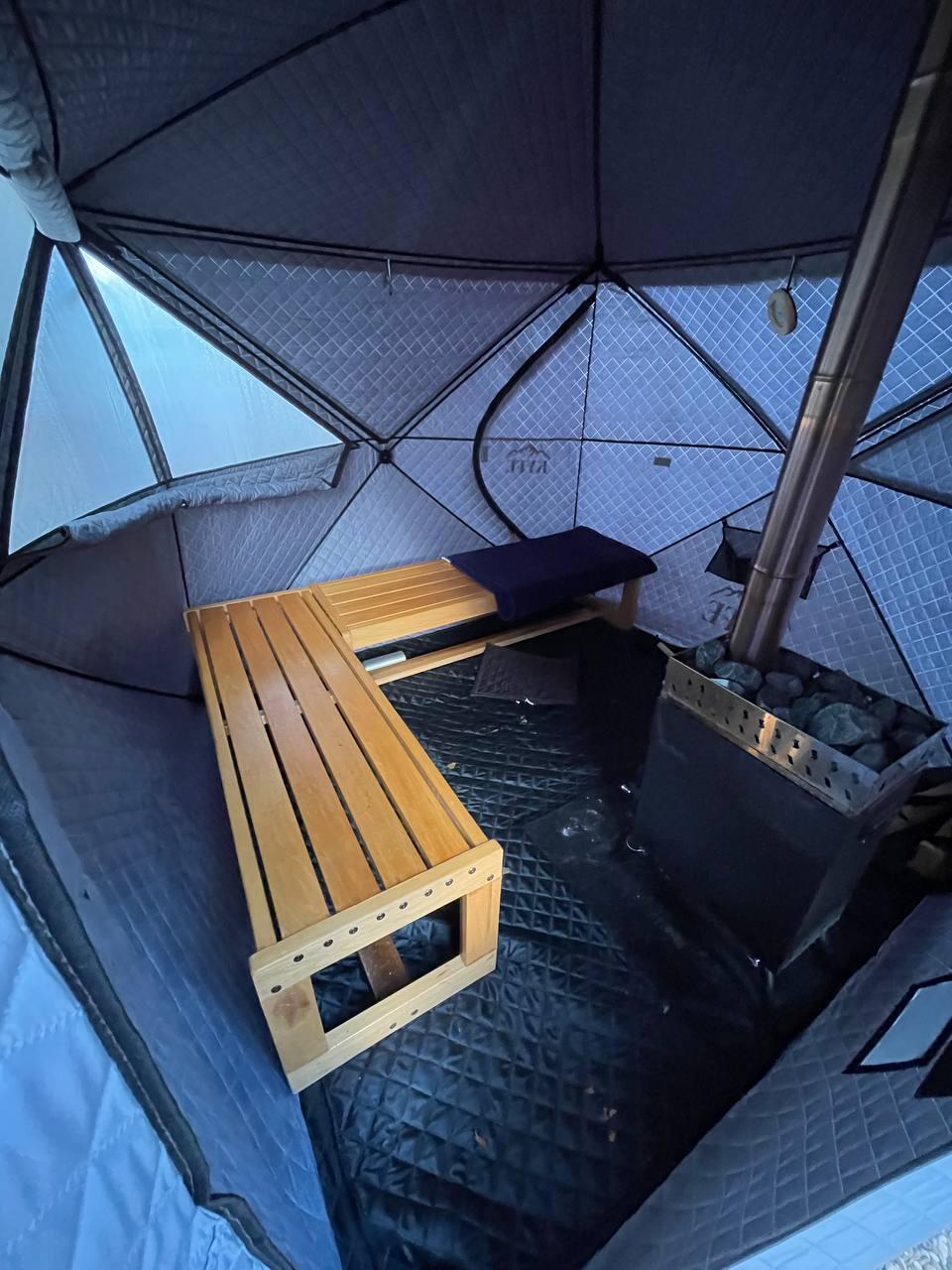
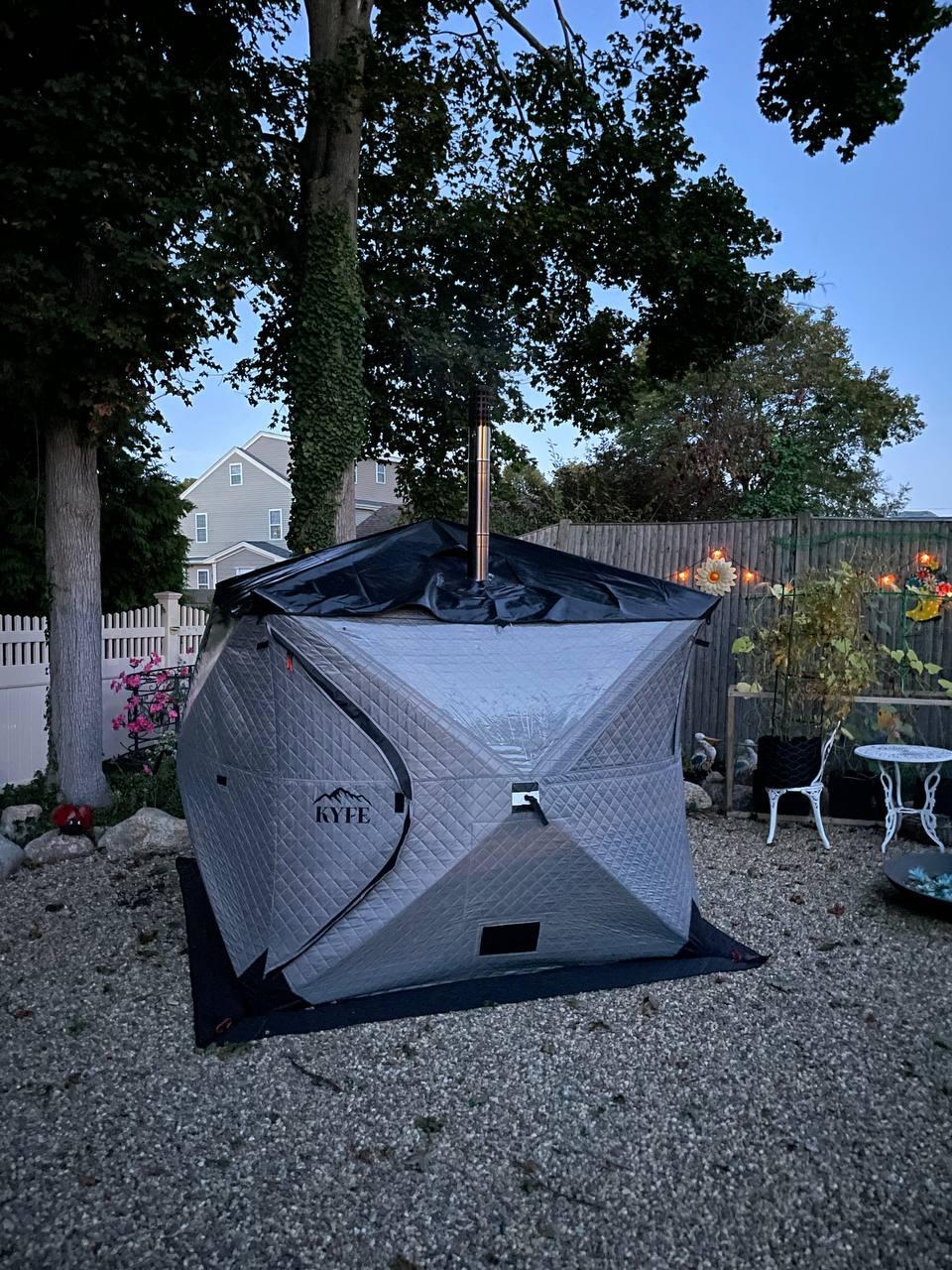
The Kyfe Portable Sauna Tent sets up in 15 minutes in your backyard, on your deck, or anywhere outdoors. It reaches 200°F in under 30 minutes using a wood-fired stove with real sauna rocks. No electricity, no installation, no dedicated space. After your training session — whenever that is, at whatever time of day or night — the Kyfe is available.
The Kyfe POD cold plunge is sold as a standalone accessory and is included free with every sauna tent purchase. It's portable, packs into a travel bag, and is ready in minutes. Together, the Kyfe Sauna Tent and Kyfe POD form a complete contrast therapy system for under the cost of a single year of commercial facility access.
For athletes serious about recovery, this is the system that makes daily or near-daily contrast therapy a realistic habit rather than a logistical challenge.
Read more about the full recovery benefits of the Kyfe system in our post on sauna for muscle recovery.
FAQs
How long should I stay in the cold plunge after a sauna session?
2–3 minutes is the research-supported duration for most recovery benefits. Beyond 3 minutes, the marginal benefit diminishes and the risk of overcooling increases. The target temperature of 50–59°F (10–15°C) is critical — warmer water reduces effectiveness significantly. The Kyfe POD maintains appropriate temperatures for full sessions.
Can I do contrast therapy every day?
Yes, for most healthy athletes. The physiological demands of contrast therapy are lower than those of training — it's a recovery tool, not an additional training stressor. Daily sessions are common among elite athletes in high-volume training phases. Monitor how your body responds — if fatigue is accumulating rather than recovering, reduce frequency.
Should I eat before a contrast therapy session?
Avoid heavy meals in the 1–2 hours before a session. A light snack with carbohydrates and electrolytes 30–60 minutes before is fine. The heat will elevate your heart rate significantly — training on a full stomach is uncomfortable and counterproductive.
Is the cold plunge safe for everyone?
Cold water immersion is safe for most healthy adults. Individuals with cardiovascular conditions, Raynaud's disease, or other conditions affecting circulation or cold tolerance should consult a physician before starting. The transition from intense heat to cold is a significant cardiovascular stimulus — healthy adults handle it well but it requires awareness.
Does the wood-fired sauna produce better results than infrared for this protocol?
For this specific protocol — high-heat contrast therapy targeting cardiovascular adaptation, HSP activation, and metabolic waste clearance — wood-fired sauna at 170–200°F is the format most directly aligned with the research. Infrared operates at lower temperatures and produces a different physiological stimulus. The temperature threshold matters for the outcomes this protocol is designed to produce.
How does the Kyfe POD compare to commercial cold plunge facilities?
The Kyfe POD delivers the same temperature range (50–59°F) as commercial cold plunge facilities at a fraction of the cost and with complete flexibility of timing. For athletes who need cold exposure on their schedule — immediately after training, early morning, late at night — having it at home removes every barrier to consistency.
The Bottom Line
Contrast therapy — sauna and cold plunge in structured alternating rounds — is the most effective non-pharmaceutical recovery tool available to serious athletes. The research supports it. The physiology explains it. The outcomes are measurable.
The protocol is straightforward: three rounds of 12–15 minutes in the Kyfe at 170–200°F, followed by 2–3 minutes in the Kyfe POD at 50–59°F. Done consistently — three to four times per week, structured appropriately around your training phase — this produces faster recovery, better training quality, improved cardiovascular adaptation, and reduced injury risk over time.
The barrier has never been information. It's been access. The Kyfe Portable Sauna Tent and Kyfe POD remove that barrier entirely — complete contrast therapy at home, on your schedule, in 15 minutes of setup, for the cost of a few months of gym membership.
The Social Side of Sauna: Why Sweating Together Is Good for You
How to Get the Perfect Löyly: A Beginner's Guide to Sauna Steam