


Sauna and Allergy Relief: Quick Answers First
If you deal with allergies, you already know the routine. The congestion that won't quit, the sinus pressure behind your eyes, the fatigue that makes everything harder than it should be. And while sauna use cannot cure allergies, a growing body of research suggests that regular sauna sessions can ease many of the symptoms that make allergy season miserable.
Whether you're battling seasonal allergies during spring pollen peaks (April through June) or fall ragweed season (September and October), or dealing year-round with indoor triggers like dust mites, pet dander, and mold, it helps to understand how allergies work: your immune system overreacts to otherwise harmless substances, and heat therapy may offer real, tangible support.
Here's a quick look at how sauna sessions may benefit allergy sufferers:
-
Open nasal passages by warming and humidifying airway linings
-
Reduce inflammation in sinus and respiratory tissues
-
Support immune system balance through controlled heat stress
-
Ease congestion by thinning mucus and encouraging drainage
-
Lower stress, which can worsen allergic reactions over time
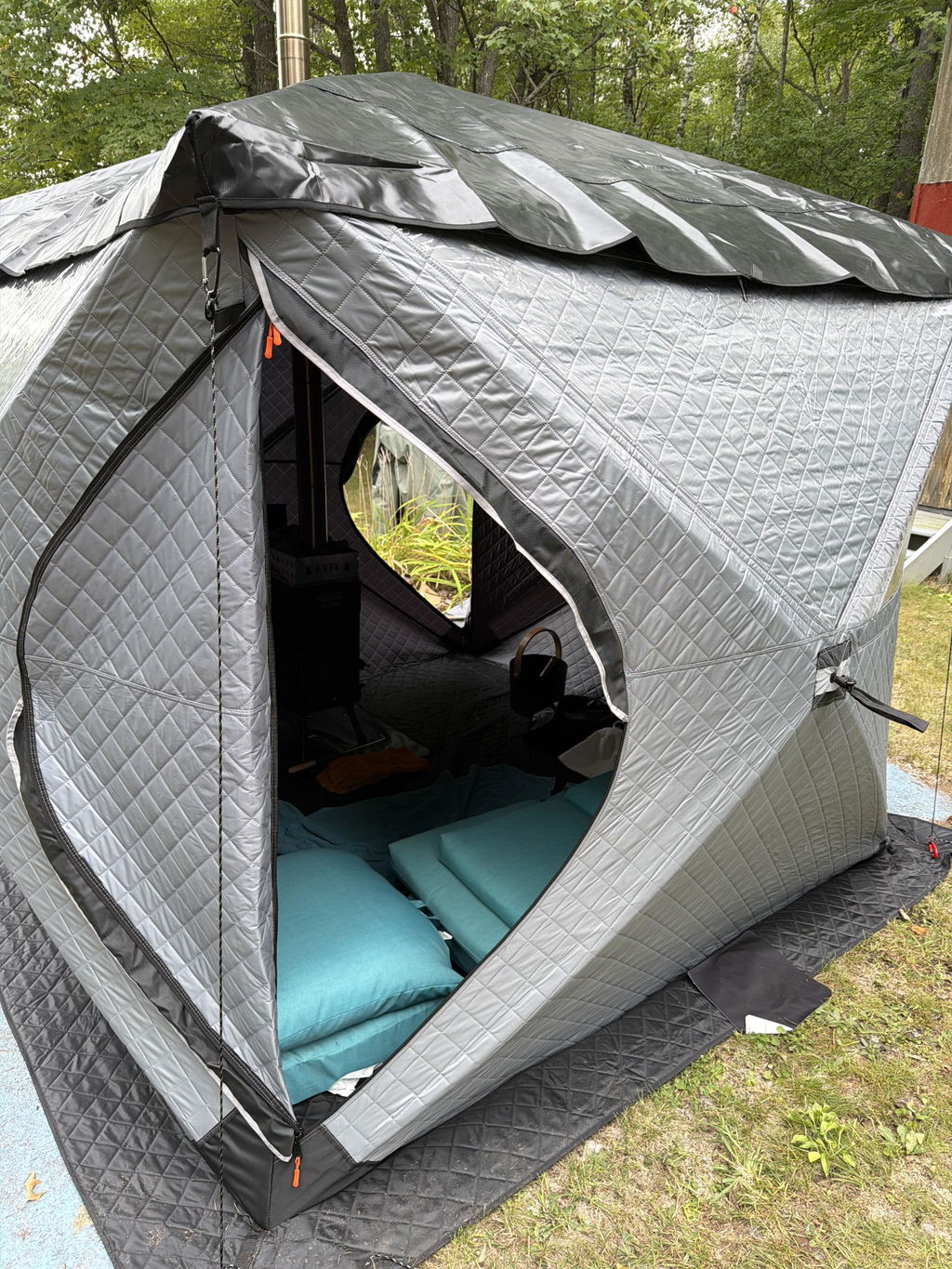
This article focuses on traditional Finnish-style saunas and infrared saunas. KYFE makes outdoor wood-fired Finnish steam sauna tents paired with cold plunge tubs for contrast therapy, and we'll explain how that setup fits into an allergy management plan.
One important note: saunas should not replace medical treatments for allergies like antihistamines or prescribed medications. If you have asthma or a history of severe allergic reactions, talk to your doctor before adding sauna bathing to your wellness routine.
What Are Allergies and Why Do They Feel So Miserable?
Allergies happen when your immune system overreacts to substances that are normally harmless. Pollen drifts into your nose, and your body treats it like an invader. Immune cells release histamine, and that's when the trouble starts.
Histamine triggers mucus production, causes tissue swelling, dilates blood vessels, and irritates nerve endings. The result is a collection of symptoms like sneezing, a runny nose, itchy eyes, nasal congestion, sinus pressure, coughing, fatigue, and itching. These are the common symptoms of allergic rhinitis, which targets the nasal passages and sinuses.
Most people reach for antihistamines or nasal steroids, and those work well. But some allergy sufferers want additional support, something that helps the body handle allergens more naturally. That's where sauna and heat therapy come in.
How Sauna Heat Interacts With the Immune System
When you sit in a hot sauna, your body temperature rises by about 33 to 35°F. A 2026 study on acute Finnish sauna exposure found that a 30-minute session at roughly 163°F raised core temperature from about 97°F to 102°F. That's your body creating a mild, controlled artificial fever.
This heat stress mobilizes your immune system. In that same study, white blood cell counts rose, neutrophils and lymphocytes increased immediately after the sauna session, and monocytes and other immune cells stayed elevated 30 minutes later. Many cytokine levels correlated with the rise in body temperature, suggesting the body was actively adjusting its inflammatory response.
Over time, regular sauna sessions may decrease respiratory symptoms during allergy season. A six-week randomized trial with allergic rhinitis patients found that three sauna sessions per week improved nasal airflow by roughly 35% and normalized lung function. The study also showed shifts in autonomic nervous system balance toward greater sympathetic activation, which can help reduce nasal congestion.
Sauna heat doesn't stop allergies at their source. But it may reduce the intensity of allergic reactions and help your body respond more effectively to allergen exposure over time.
Sauna Benefits for Common Allergy Symptoms
The research points to several ways sauna use can make daily life more manageable for people dealing with allergies. Here's how specific sauna effects map to the symptoms you actually feel:
-
Stuffy nose and congestion: Warm, humid air in a sauna helps open nasal passages and thin mucus, making it easier to breathe. Saunas improve airflow by loosening mucus buildup that blocks the sinuses.
-
Sinus pressure and facial tenderness: Improved blood circulation and vasodilation from heat can reduce inflammation in sinus tissues, providing relief from that heavy, compressed feeling behind the cheekbones and forehead.
-
Watery eyes and itchy nose: By supporting a calmer inflammatory response, regular sauna use may lessen the severity of these irritating symptoms.
-
Fatigue and brain fog: The six-week Thai study showed FEV₁ (a measure of lung function) improved from about 77.5% to 95.6% of predicted values. Better lung capacity means less breathing effort and less exhaustion.
-
General tension: Saunas promote relaxation, aiding respiratory health indirectly by calming the nervous system and reducing stress-driven immune reactivity.
Opening Nasal Passages and Easing Congestion
If your main complaint is feeling blocked up, steam is your friend.
Many allergy sufferers walk around with swollen nasal passages and thick mucus that just won't move. A traditional Finnish steam sauna, where you pour water over hot rocks, creates warm, humid air that hydrates airway linings and loosens that stuck mucus. A steam inhalation study with allergic rhinitis patients found that total nasal airflow improved by about 13%, minimal cross-sectional area of nasal passages increased by roughly 41%, and about 80% of participants reported symptomatic improvement. Effects lasted an average of seven hours after each session.
Infrared saunas can help clear nasal congestion effectively too, though the mechanism is different. Instead of moist steam, infrared heat warms your body from the inside, increasing blood flow to nasal tissues and encouraging mucus movement. The effect is more subtle than steam, but still meaningful.
Some practical tips to ease congestion during a sauna session:
-
Breathe slowly through your nose to let warm air reach deep into the sinuses
-
In a wood-fired sauna, pour small amounts of water over the rocks for gentle steam
-
If your nasal passages feel raw or irritated, dial back the heat
-
After the session, blow your nose and consider a saline rinse to clear loosened mucus
Reducing Inflammation and Calming Allergic Reactions
When allergens trigger the immune system, the result is localized inflammation: swelling in the sinuses, throat, and sometimes the chest. That swelling narrows airways, creates pressure, and makes everything feel tight.
Sauna use can reduce inflammation in respiratory tissues. Research has linked regular sauna bathing with lower levels of C-reactive protein, a key marker of systemic inflammation. Saunas reduce inflammation throughout the body, not just in the respiratory system, which is good news if allergies leave you feeling generally run down.
Adding cold exposure after heat amplifies this effect. Contrast therapy, alternating between hot sauna and cold water, produces a cycle of vasodilation and vasoconstriction. Blood vessels expand in the heat and contract in the cold, which can help flush swelling from sinus tissues and improve blood circulation overall. The result is less sinus pressure, fewer headaches, and easier breathing.
Pay attention to how your body responds. If you feel overly flushed or your skin gets irritated, shorten the session or lower the temperature.
Sweating, Detoxification, and Allergen Load
The word "detox" gets thrown around a lot, so let's be straight about what's happening here.
Your liver and kidneys handle the heavy lifting when it comes to detoxification. But sweating is a real, complementary pathway. Heavy sweating in a sauna helps flush out environmental irritants like pollen and dust that accumulate on your skin throughout the day. Saunas induce sweating to help detoxify the body, and sweating can flush out allergens and heavy metals that build up over time. Infrared saunas can detoxify by raising core body temperature even at lower ambient temps. Regular sauna use may reduce the body's toxic load as a supporting mechanism.
Saunas may also help eliminate allergens settled on the skin. During allergy season, pollen counts climb and those particles stick to your hair, face, and arms. A sauna session followed by a shower can help rinse away sweat, surface irritants, and some particles that cling to the skin, but claims about sweating out toxins should stay modest.
A few things to keep in mind:
-
Washing off pollen before sauna use can prevent bringing allergens into the sauna
-
Always shower after your session to rinse off sweat and surface allergens
-
Change out of clothes that may carry pollen or pet dander
-
Stay well hydrated and consider adding electrolytes on heavy sauna days
Sauna, Stress, and the Allergy-Brain Connection
Stress and allergies feed each other. When you're stressed or sleeping poorly, your immune system stays in a chronically reactive state. That means more histamine production, more sneezing, more congestion. It's a cycle that can make hay fever feel twice as bad during a rough week at work.
Sauna bathing helps break that cycle. Regular sessions have been shown to reduce cortisol levels, promote endorphin release, and improve sleep quality. A calmer nervous system means your body is less likely to overreact to every grain of pollen that floats by. The Thai study on allergic rhinitis patients showed measurable shifts in heart rate variability, indicating that sauna helps with stress by rebalancing autonomic nervous system activity.
Turn your sauna time into a real ritual. Dim the lights, leave the phone inside, breathe slowly, and let the heat do its work. KYFE's outdoor sauna tents set up in your backyard, on a deck, or at a campsite, creating a mini retreat that addresses stress reduction alongside allergy symptoms.
Infrared Sauna vs Traditional Steam Sauna for Allergies
Both infrared saunas and traditional Finnish steam saunas can support allergy relief, but they work differently.
|
Feature |
Traditional Finnish Steam |
Infrared Sauna |
|---|---|---|
|
Air temperature |
150-200°F (65-93°C) |
120-140°F (49-60°C) |
|
Humidity |
High (steam from water on rocks) |
Low (dry radiant heat) |
|
Best for congestion |
Strong. Moist steam directly hydrates nasal passages and thins mucus |
Moderate. Less humidity means less direct steam benefit |
|
Systemic inflammation |
Yes. Significant core temp rise mobilizes immune response |
Yes. Deep tissue heating may help regulate inflammatory response |
|
Histamine effects |
Supported by steam and heat studies |
Infrared saunas may regulate histamine production through gradual, deep heating |
Traditional saunas may be more effective for allergy relief than infrared saunas when thick congestion and blocked nasal passages are the primary complaint. The steam component adds a layer of benefit that dry heat alone doesn't replicate.
That said, infrared sauna sessions work well for people focused on whole-body inflammation, joint stiffness, or who find high-heat environments too intense. For a deeper comparison, check out Infrared vs. Traditional Sauna: Which Heat Experience Is Right for You.
KYFE specializes in wood-fired Finnish steam sauna tents that deliver authentic high-heat steam. They pair naturally with cold plunge tubs for contrast therapy, giving you both sides of the temperature spectrum.
How to Use Sauna for Allergy Relief: Practical Guidelines
If you want to try sauna for respiratory relief during allergy season, here's a practical framework based on the research:
Getting started:
-
Start with 5 to 10 minute sauna sessions if you're new to heat exposure. Short sauna sessions are advisable for those unfamiliar with the environment.
-
Build up gradually over a couple of weeks
-
Aim for 15 to 20 minutes per session, 2 to 3 times a week once you're comfortable
Temperature ranges:
-
Set traditional sauna temperature between 150 and 175°F (65 to 80°C)
-
For infrared saunas, use 120 to 140°F (49 to 60°C)
-
Start on the lower end if you have respiratory sensitivity
During the session:
-
Sit upright to encourage sinus drainage
-
Breathe slowly through the nose
-
In a wood-fired sauna, pour small amounts of water over rocks for gentle steam
-
Avoid heavy meals or alcohol beforehand
After the session:
-
Drink plenty of water before and after sauna sessions. Proper hydration is essential before and after to avoid dehydration.
-
Rinse off with cool water after sauna sessions to wash away sweat and allergens
-
Consider a saline nasal rinse to clear loosened mucus
Listening to your body and exiting a sauna if feeling unwell is important for safety. If you feel dizzy or overly lightheaded, step out.
Pairing Sauna With Cold Plunge and Other Natural Strategies
Contrast therapy means alternating between heat and cold. You spend time in the sauna, then step into a cold plunge or cold shower, and repeat. The combination of vasodilation (heat) and vasoconstriction (cold) pushes blood flow through tissues, which can help clear the head and reduce swelling in sinus tissues. For a full walkthrough, see our guide to the sauna cold plunge routine.
A simple protocol: 10 to 15 minutes in the sauna followed by 1 to 3 minutes in cold water. Repeat one to three rounds. Stop if you feel lightheaded or overly chilled.
Beyond sauna, other strategies that support allergy relief:
-
Saline nasal rinses after outdoor exposure
-
Frequent laundering of bedding during peak pollen months
-
HEPA air filters in the bedroom
-
Showering and changing clothes after spending time outside
KYFE sauna tent kits include a free cold plunge option, so you can build a complete heat-and-cold routine without needing separate equipment. It's a straightforward way to make contrast therapy part of your overall wellness routine.
When Sauna May Not Be Appropriate for Allergy Sufferers
Sauna and heat therapy are not for everyone, and it's worth being honest about that.
Use caution or talk to your doctor first if you have:
-
Uncontrolled asthma. Consult a physician if you have underlying asthma before using a sauna.
-
Cardiovascular disease or very high blood pressure
-
A history of fainting in heat
-
Pregnancy (especially early stages)
Medication considerations:
-
Beta blockers, diuretics, and some antihistamines can impair heat regulation or cause drowsiness
-
Check with your clinician before frequent sauna use if you take these
Stop immediately if you experience:
-
Dizziness or chest pain
-
Extreme shortness of breath or wheezing
-
Feeling faint or confused
Maintaining a clean sauna environment helps avoid aggravating allergies. Between sessions, keep your sauna dry and free of mold or mildew. This is especially important for people whose allergies are triggered by fungal spores.
Choosing and Using a Home Sauna for Allergy Support
If you're thinking about a home sauna specifically to find relief from allergies, there are a few decisions to make:
-
Portable outdoor tent vs permanent indoor build: An outdoor setup keeps you away from dusty basements and carpeted rooms. Fresh air reduces indoor allergen exposure. A portable sauna tent can move with you, whether that's the backyard, a cabin, or a campsite.
-
Capacity: A mini tent fits 2 to 3 people. A larger tent handles 6 to 8. Pick based on whether this is a solo practice or something you share.
-
Fuel type: Wood-fired delivers authentic high heat and steam. Electric is convenient but often lacks the steam component. Infrared runs at lower temperatures and offers dry heat.
KYFE sauna tents typically assemble in 5 to 15 minutes and heat up to around 180 to 200°F in about 30 minutes with a wood stove. That makes them practical for evening sessions when pollen counts tend to drop. You can check out the full setup process on our instructions page.
A routine that works well during allergy season: 2 to 4 sauna evenings per week, each session 15 to 20 minutes, followed by a cool rinse and cold plunge. Combine that with medical care when needed, and you've got a solid plan.
Bringing It All Together: Sauna as Part of Your Allergy Toolkit
Sauna won't make your allergies disappear. But regular sauna use can significantly ease congestion, reduce inflammation, support your immune system, and help you manage the stress that makes everything worse. These aren't miracle claims. They're practical benefits backed by a growing base of research.
Both infrared sauna and traditional Finnish steam options have value. Steam is especially helpful for providing relief from blocked nasal passages and thick mucus. Infrared appeals to people looking for deep heat therapy at lower temperatures. Either way, sauna works best as one piece of a larger strategy that includes medications when needed, environmental controls, and smart lifestyle choices.
KYFE's outdoor wood-fired sauna tents plus free cold plunge make it straightforward to build a consistent heat-and-cold routine wherever you are. No permanent build, no contractor, no waiting.
Try tracking your allergy symptoms over a few weeks of regular sauna sessions. Note how your congestion, sleep, and energy respond. You might be surprised at how much a little heat and steam can do for you when pollen counts climb and the sneezing starts.

Sauna And Tattoos: When It's Safe, What To Avoid, And How Sauna Users Can Protect Their Ink