

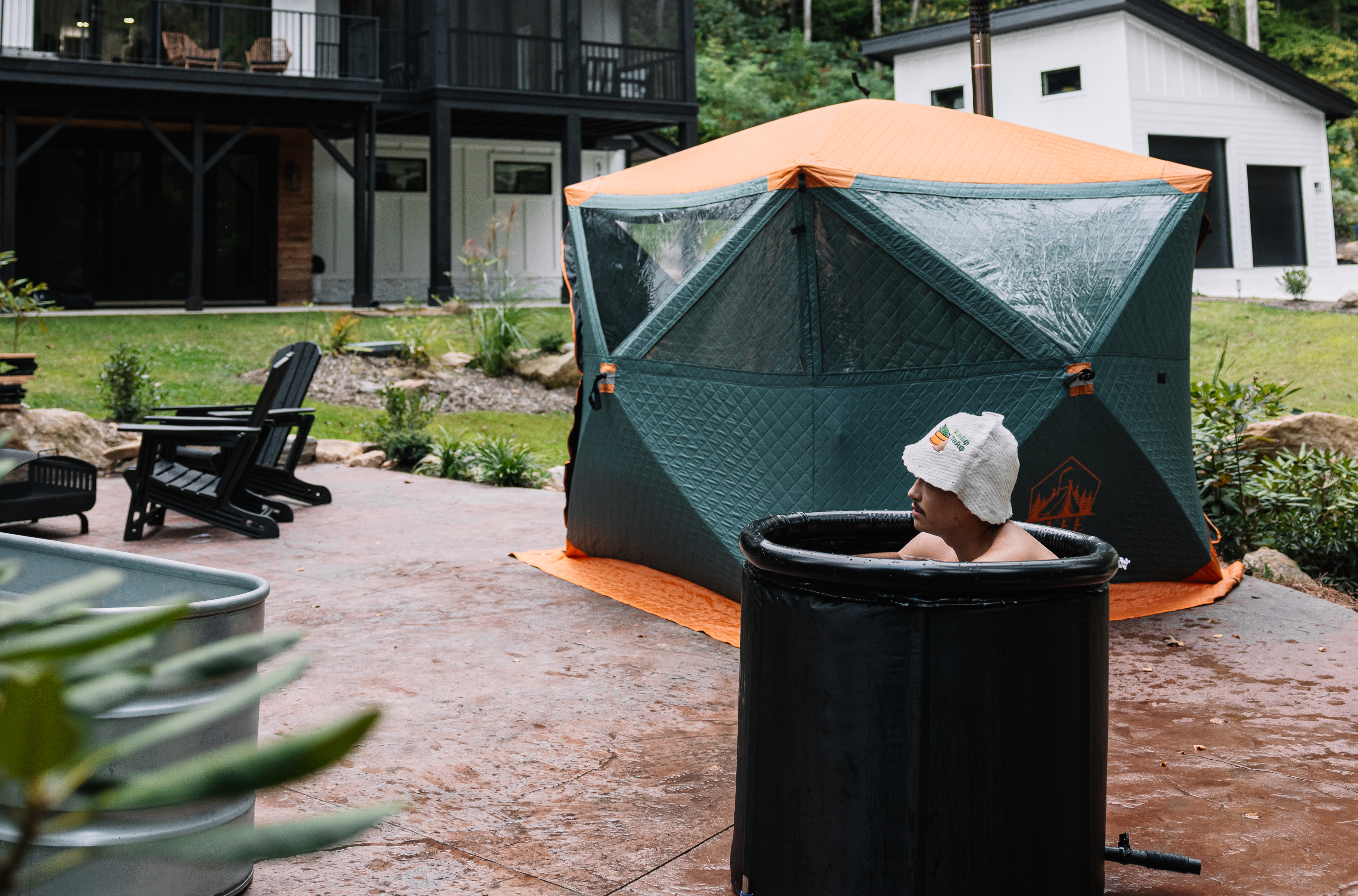
People have been sitting in extreme heat on purpose for thousands of years. The Finns built saunas before they built permanent homes. The Mayans constructed sweat lodges as places of physical and spiritual renewal. Indigenous cultures across North America, Scandinavia, Eastern Europe, and Russia each arrived at the same practice independently, across centuries that had no contact between them. That kind of convergence is not coincidence. It is evidence.
Saunas have endured because they produce something consistent and real — something the body recognizes and responds to regardless of the culture, the climate, or the century. The question of what saunas are used for has a layered answer: one part history, one part measurable physiology, and one part something that is harder to quantify but equally worth understanding.
What Heat Does to the Body
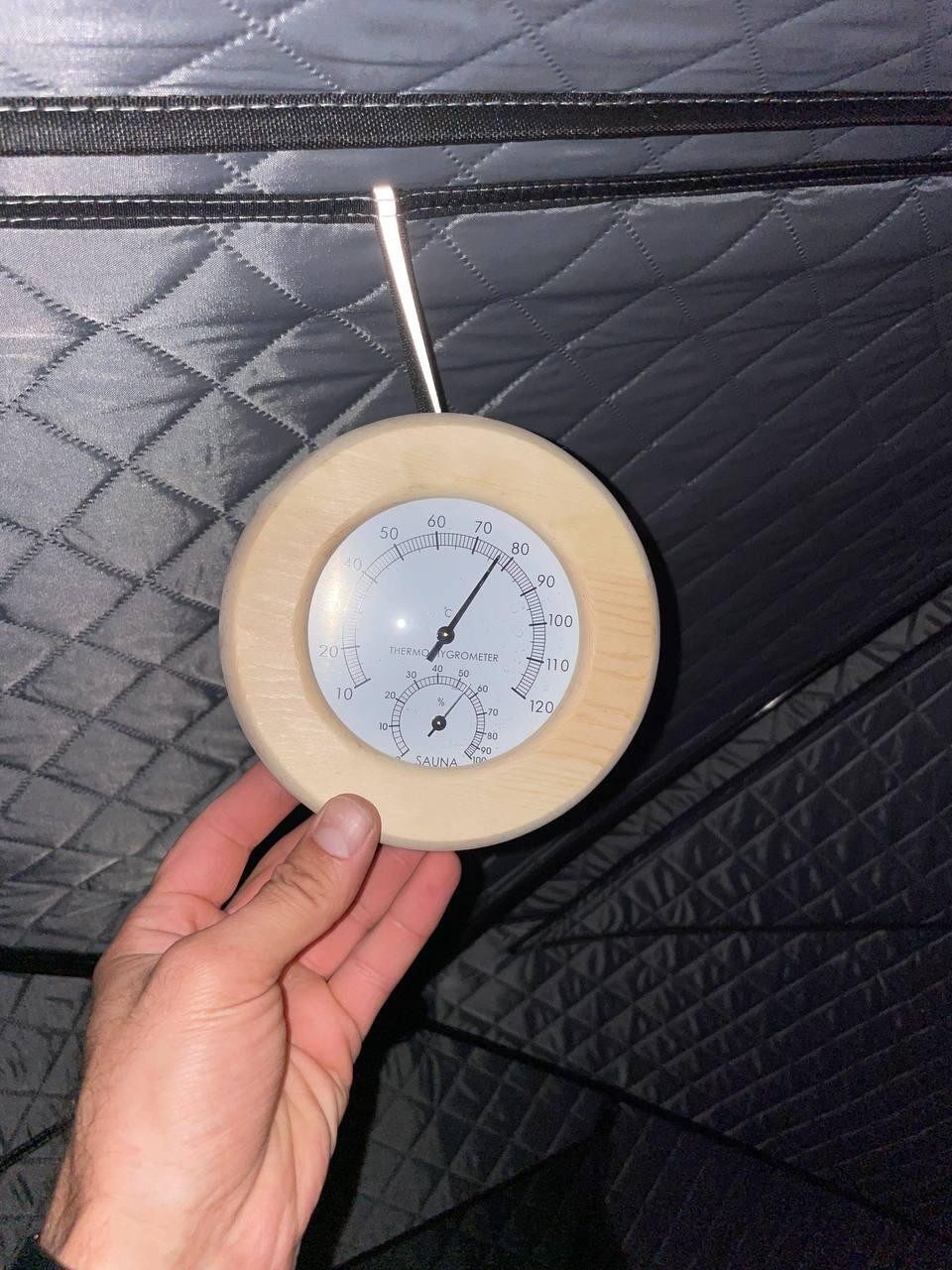
When you enter a properly heated sauna — one operating at genuine traditional temperatures between 160°F and over 200°F — the body responds immediately and systematically. Skin temperature rises within the first few minutes. Blood vessels near the surface dilate as the cardiovascular system works to redirect circulation and manage the load. Heart rate increases to levels comparable to sustained, moderate physical exertion. Sweat output accelerates as the body attempts to maintain core temperature through evaporative cooling.
These are not side effects. They are the mechanism. The controlled thermal stress of a high-temperature sauna session asks the cardiovascular system to perform in a way that passive rest does not. That is the foundation on which every other benefit associated with regular sauna use is built.
Temperature matters more than most people expect. A sauna operating at 140°F and one reaching over 200°F are physiologically different environments — not just in degree, but in kind. The cardiovascular response scales with heat. The depth and duration of perspiration scale with heat. The degree to which the nervous system is engaged scales with heat. This is why traditional fire-heated saunas, which can reach and sustain temperatures that electric and lower-temperature formats cannot, occupy a distinct category. The body's response at genuine Finnish-style temperatures is specific, and the outcomes should not be treated as equivalent to what a lower-temperature format produces.
Recovery
Among athletes and people who train consistently, the sauna is used primarily as a structured recovery tool — not a reward, not a luxury add-on, but a deliberate part of what they do after hard physical work.
Heat increases blood flow to muscle tissue, which supports the clearance of metabolic byproducts accumulated during exercise and the delivery of the nutrients that aid repair. Muscle tension — the kind that accumulates over multiple training sessions and does not fully release through sleep alone — decreases measurably in response to sustained high heat. The peripheral nervous system, after the demands of intense training, begins to shift toward a parasympathetic state: the biological condition associated with rest and repair rather than effort and output.
For people managing chronic joint discomfort or the accumulated soreness of an active life — not acute injury, but the background physical cost of consistent training — regular sauna sessions are frequently reported to provide relief that persists for hours after the session ends. Blood vessels relax and remain dilated. Tissue receives sustained circulation. The experience of full-body heat at these temperatures is structurally different from a heating pad or a warm bath, because the exposure is total and the temperature is genuine.
If you are an athlete, using the sauna after training makes sense, with consistent evidence linking regular sessions to better muscle recovery across sports and training modalities. The practice does not replace structured rest — it deepens it.
The heat-cool cycle amplifies this effect. Many traditional sauna cultures alternate between high heat and cold exposure — a cold plunge, a lake, a shower — and the physiological contrast between the two states drives a more pronounced recovery response than heat alone. For anyone building a serious outdoor wellness routine, that full cycle is worth considering from the outset.
Cardiovascular Support
The body of research on sauna use and cardiovascular health is more substantive than most people realize. Finnish population studies — drawn from a culture where sauna use is both universal and multigenerational — have consistently found associations between frequent sauna bathing and reduced incidence of cardiovascular events. These are observational findings, not controlled trials establishing cause and effect, and they should be read as such. But the consistency of the association across large samples over long time periods is meaningful.
What those studies suggest is that regular sauna use — several times per week, at appropriate temperatures, over the long term — may support cardiovascular health in ways that complement physical exercise rather than duplicate it. The mechanism is understood at a basic level: repeated heat exposure trains vascular response, supports endothelial function, and appears to influence blood pressure regulation. The practice is not a substitute for exercise or a clinical treatment. It is a complement to both.
This is why saunas have been used not just by people seeking relaxation, but by people who are serious about their long-term physical health. The practice is not passive. The body is working. And that work, done consistently over time, appears to carry real value.
Stress Reduction and Mental Recovery
The relationship between heat exposure and stress reduction is biological before it is experiential. Sauna bathing promotes the release of endorphins — the same compounds involved in the positive emotional states associated with sustained physical exercise. Research published in 2023 documented measurable changes in endorphin levels following sauna sessions, providing a physiological basis for what users have consistently described for generations: a settled, clear-headed calm that persists well beyond the session itself.
The nervous system mechanism matters here. High heat exposure encourages a shift from sympathetic dominance — the state of alert and output — toward parasympathetic regulation: the state of rest, repair, and recovery. For people carrying a sustained stress load, this shift is not simply pleasant. It is physiologically productive. The body is not just resting; it is recovering from the effects of prolonged activation.
The Arabic word kyfe — pronounced 'kai-f' — describes a state of pleasurable ease, a high-on-life feeling that cannot quite be forced or planned. It is the word that gives this brand its name, and it is the most accurate description of what a properly heated sauna consistently produces in the hour after you leave it.
There is also the simpler dimension. A sauna session requires nothing of you except presence. No device, no task, no decision to make. In an outdoor fire-heated environment — the sound of the stove, the weight of the heat, the rhythm of breathing that slows without effort — the conditions for genuine mental rest are met in a way that most modern environments do not support. Whether that constitutes therapy in any clinical sense is beside the point. What it produces in practice is consistent and real.
The Outdoor Dimension
Saunas are not typically discussed in terms of where they live — but location is not incidental. A sauna placed in a backyard, used year-round, as part of a deliberate outdoor wellness environment, is a different proposition than a spa treatment or a gym amenity. It is infrastructure. It is something you own, access on your terms, and return to as part of a consistent practice rather than an occasional indulgence.
For most of sauna history, the outdoor setting was not a choice — it was the default. The Finnish tradition developed in the open air, adjacent to lakes, in climates that made heat and cold contrast a natural part of the experience. That context is not incidental to the practice; it is part of what makes it work. Cold air after a session. The contrast between intense internal heat and a cool outdoor environment. Space to move, cool down, and return to the heat without the constraints of an indoor setting.
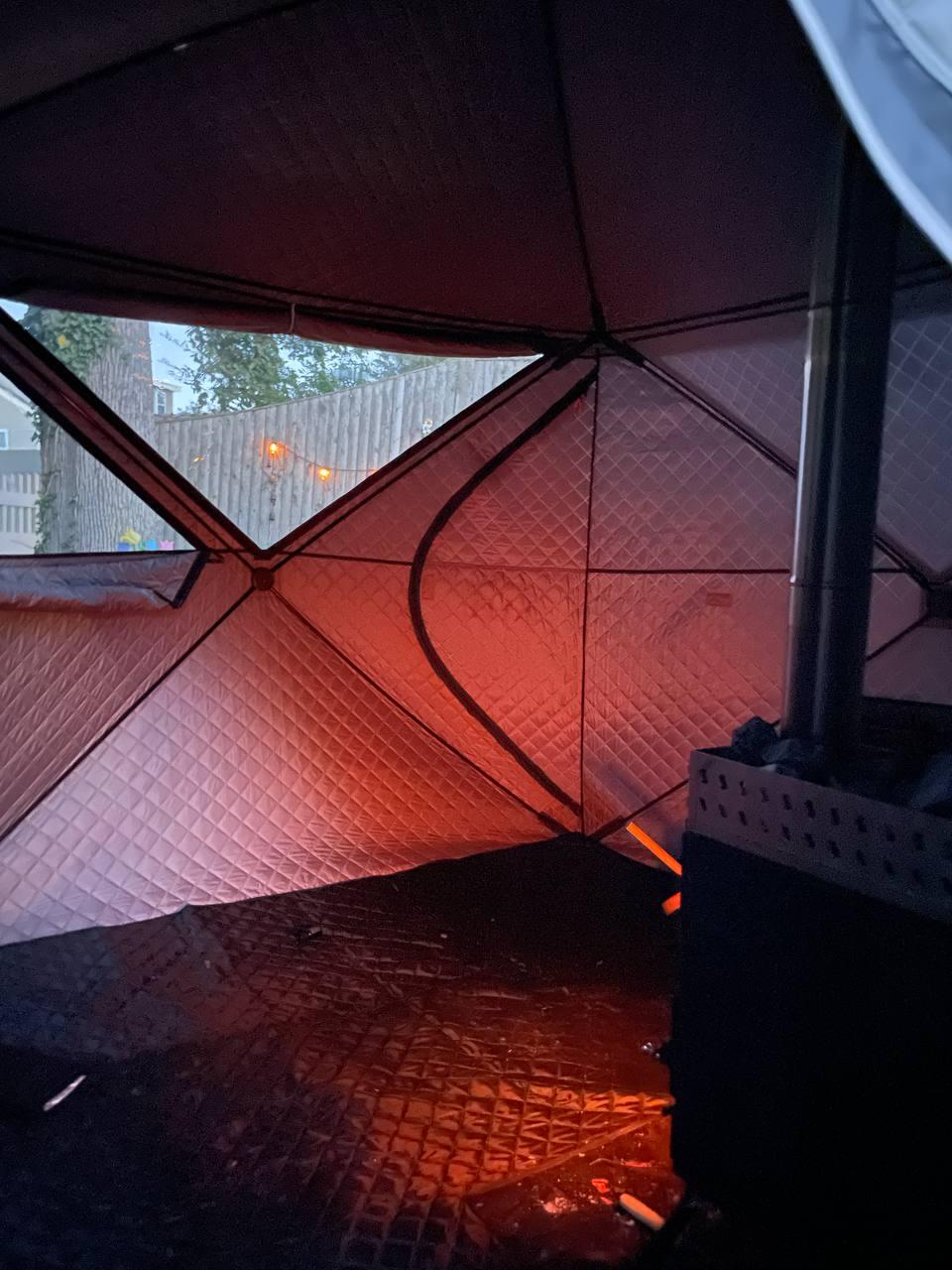
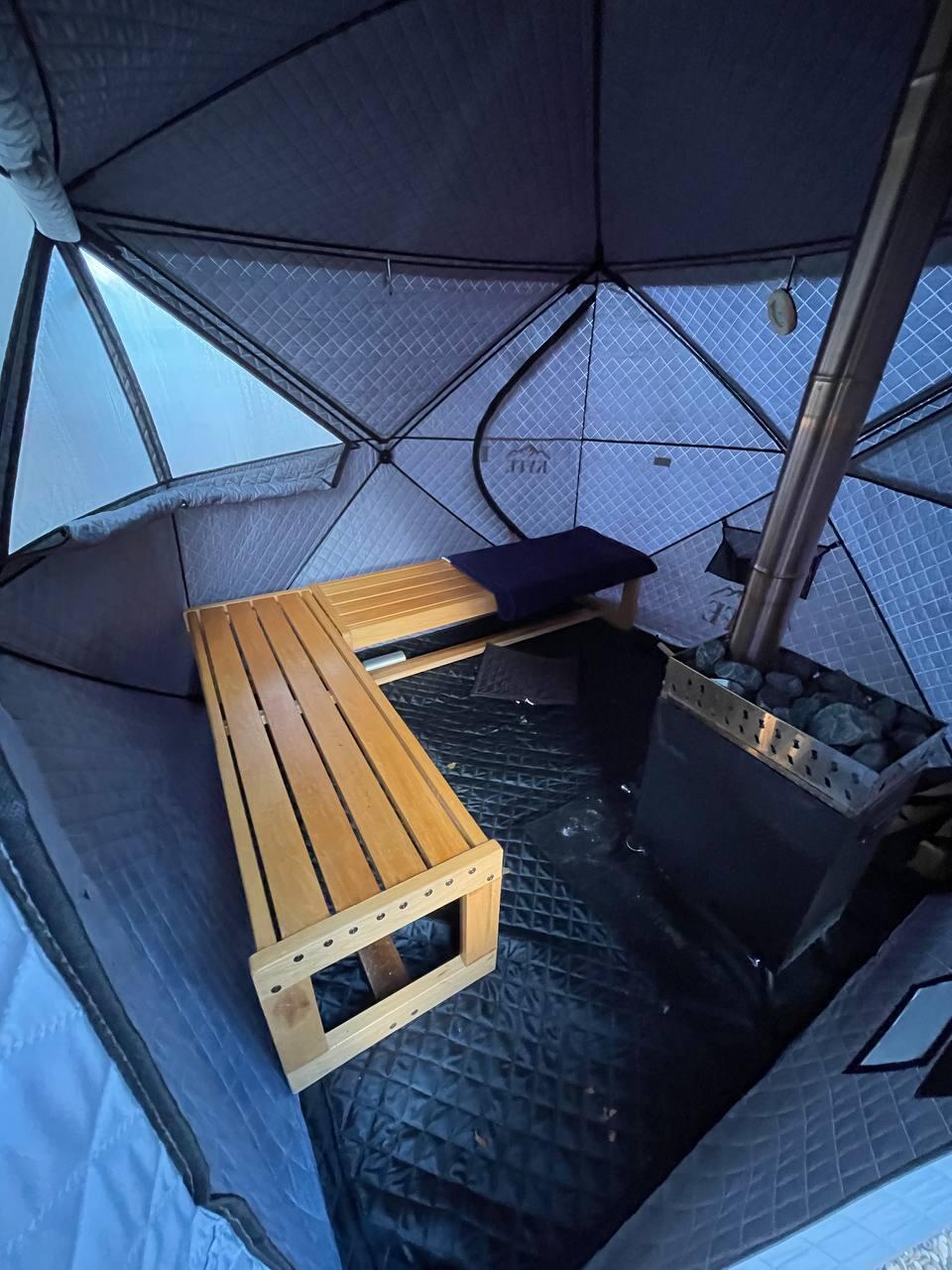
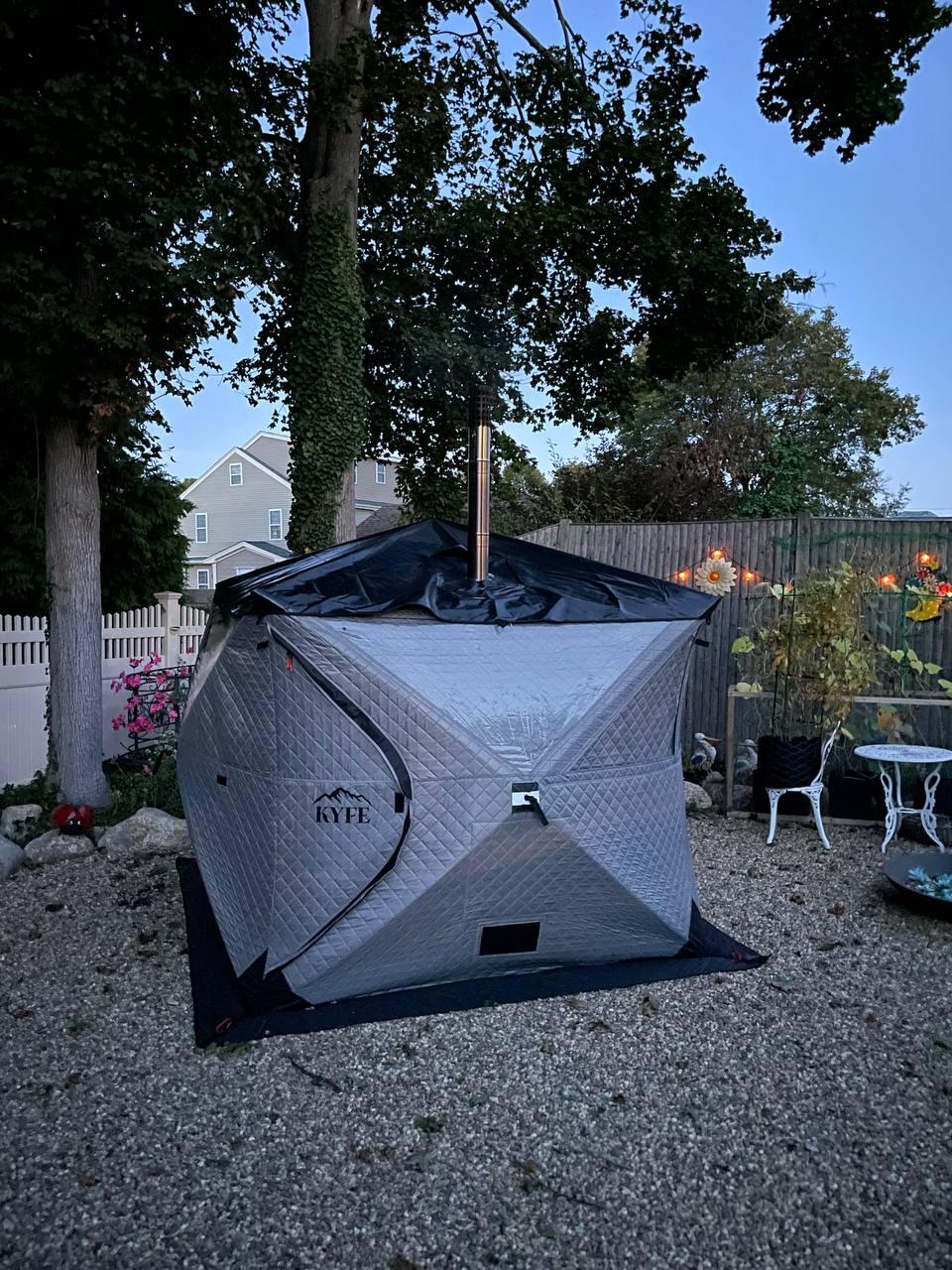
A fire-heated outdoor sauna tent capable of reaching over 200°F in under thirty minutes brings that full traditional context into a form that can be placed, used, and owned without permanent construction. The portability is real — it can be moved, transported, set up on most outdoor surfaces — but the performance is not compromised by it. The heat is wood-fired. The steam is produced by pouring water over stones that have absorbed genuine combustion heat. The experience is not a lower-temperature approximation of the traditional practice. It is the traditional practice, made accessible outdoors.
That distinction shapes everything about how the product functions, what it delivers, and what kind of ownership value it holds over time. A practice built around real, sustained heat, used consistently in your own outdoor space, is a long-term wellness investment. It is not a novelty that wears off after a season. It is a ritual that compounds.
What Saunas Are Actually Used For
The complete answer covers more ground than most people expect when they first ask the question. Saunas are used for post-exercise recovery. They are used to support cardiovascular health over the long term. They are used for stress reduction and mental recovery. They are used to ease chronic physical discomfort. They are used socially — as a space where conversation happens differently than it does anywhere else, because the environment is demanding enough to strip away pretense and comfortable enough to invite honesty.
Underneath all of these specific uses is something more fundamental: saunas produce a physiological state that no other practice quite replicates. The combination of high heat, sustained cardiovascular engagement, parasympathetic activation, and the endorphin response creates a recovery and reset that is genuinely distinct. People who use saunas consistently — not occasionally, but as a structured part of how they manage their physical and mental health — tend to keep using them. That retention is itself a data point worth taking seriously.
What you use to access that state determines whether you actually reach it. A fire-heated sauna producing over 200°F is a different tool than a lower-temperature alternative, regardless of how either is described. Understanding that difference is where making a sound investment begins.
Are Saunas Good When Your Sick: When It Helps & When to Skip It
Infrared Sauna vs Dry Sauna: What's the Real Difference?