

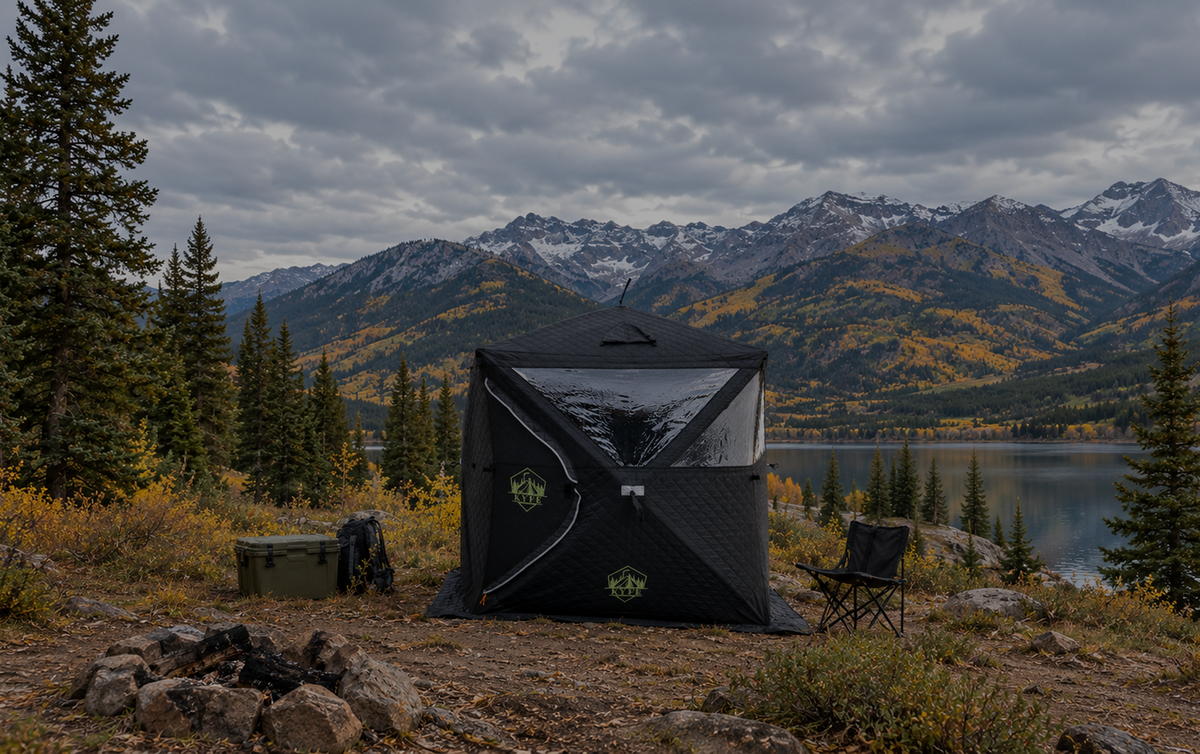
Picture this: you just finished a long day of hiking, and instead of crawling straight into your sleeping bag, you step into a wood-fired sauna tent glowing with heat beside a cold mountain lake. That is a camping sauna, and once you try it, every future trip feels incomplete without one.
Quick Answer: What Is a Camping Sauna (and Why You'd Want One)?
A camping sauna is a portable sauna tent powered by a wood burning stove that you can pitch beside your campsite, lake, van, or cabin. It generates real Finnish-style heat, typically 180 to 220°F at bench level, and heat therapy in these setups can reach temperatures up to 230°F with a well-managed fire. You pour water on hot rocks and get a burst of steam called löyly. That is what separates a real sauna from a lukewarm spa gadget.
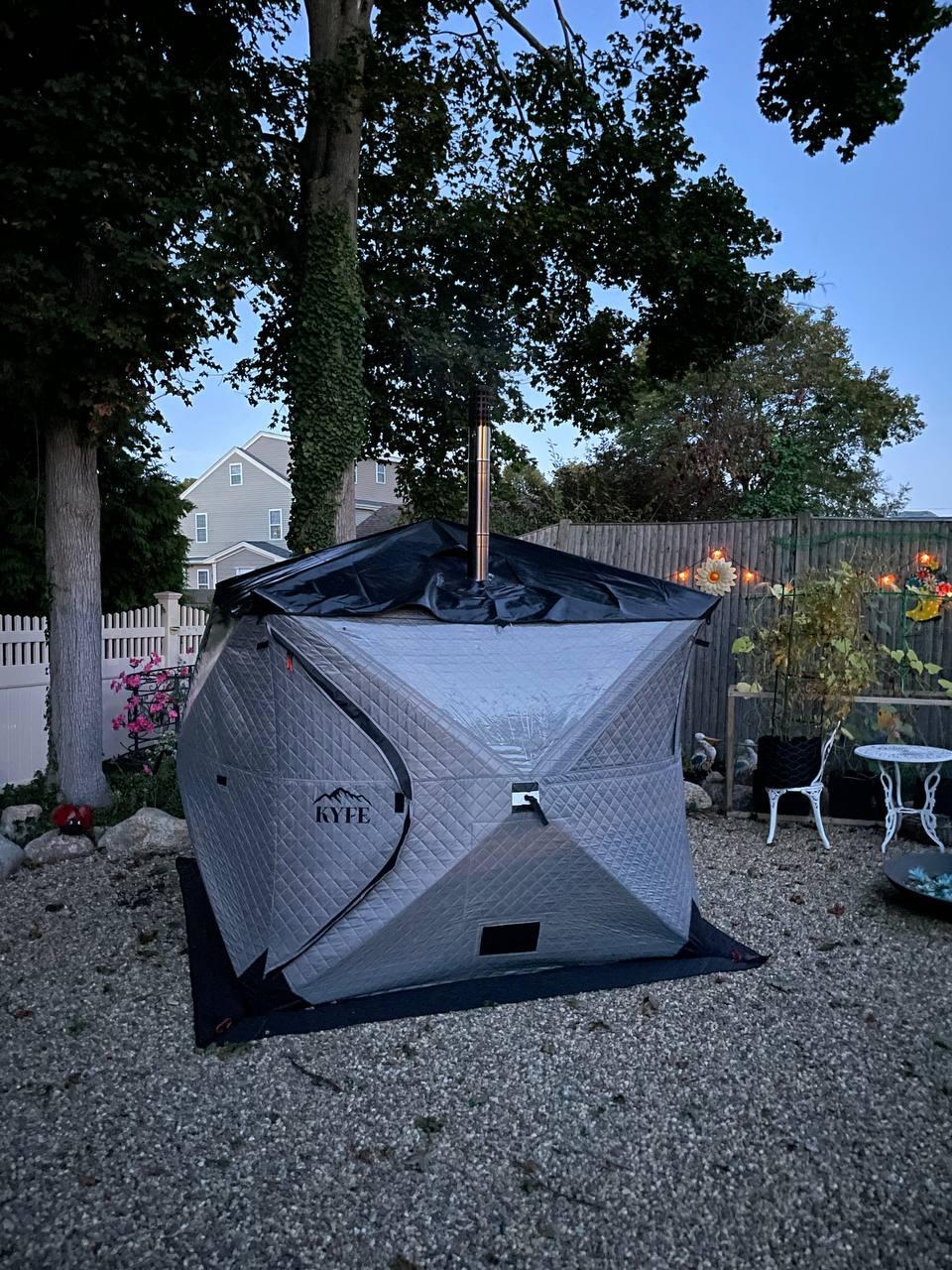
KYFE builds wood-fired sauna tent kits that include the tent, sauna stove, rock basket, chimney, accessories, and a free cold plunge. Everything you need for steam bathing anywhere in nature, packed into bags that fit in a truck bed or on a roof rack.
Portable sauna tents are ideal for camping and outdoor use. Here is why most owners end up bringing one on every trip:
-
Muscle and joint recovery benefits. Fifteen to twenty-five minutes at 180 to 200°F after a long hike or paddle day eases soreness and stiffness. Saunas improve circulation and relieve stress, which is exactly what your body needs after miles on the trail.
-
Better sleep. An evening sauna session lowers cortisol and settles you into deeper sleep. That matters more in a tent than it does at home.
-
Social hub. A camping tent sauna fits your whole crew. Stories flow easier when everyone is warm and relaxed around the stove.
-
Pain relief and relaxation. Saunas can help with pain relief and relaxation, making them a game changer for anyone dealing with lingering soreness from outdoor adventures.
-
Year-round use. Winter snow camp, summer lakeside, fall colors, spring thaw. A well-insulated tent sauna works in every season.
What Makes a Sauna Tent Different From a Regular Camping Tent?
A sauna tent is purpose-built for high heat and steam. A regular camping tent is designed for ventilation and low temperatures. Putting a heater inside a standard tent is dangerous and should never be done. Here is what separates them:
-
Materials. Sauna tents use multi-layer insulated walls, heat-resistant fabrics, and a stove jack with chimney collar. Regular tents use thin nylon or mesh panels that would melt or catch fire near a stove.
-
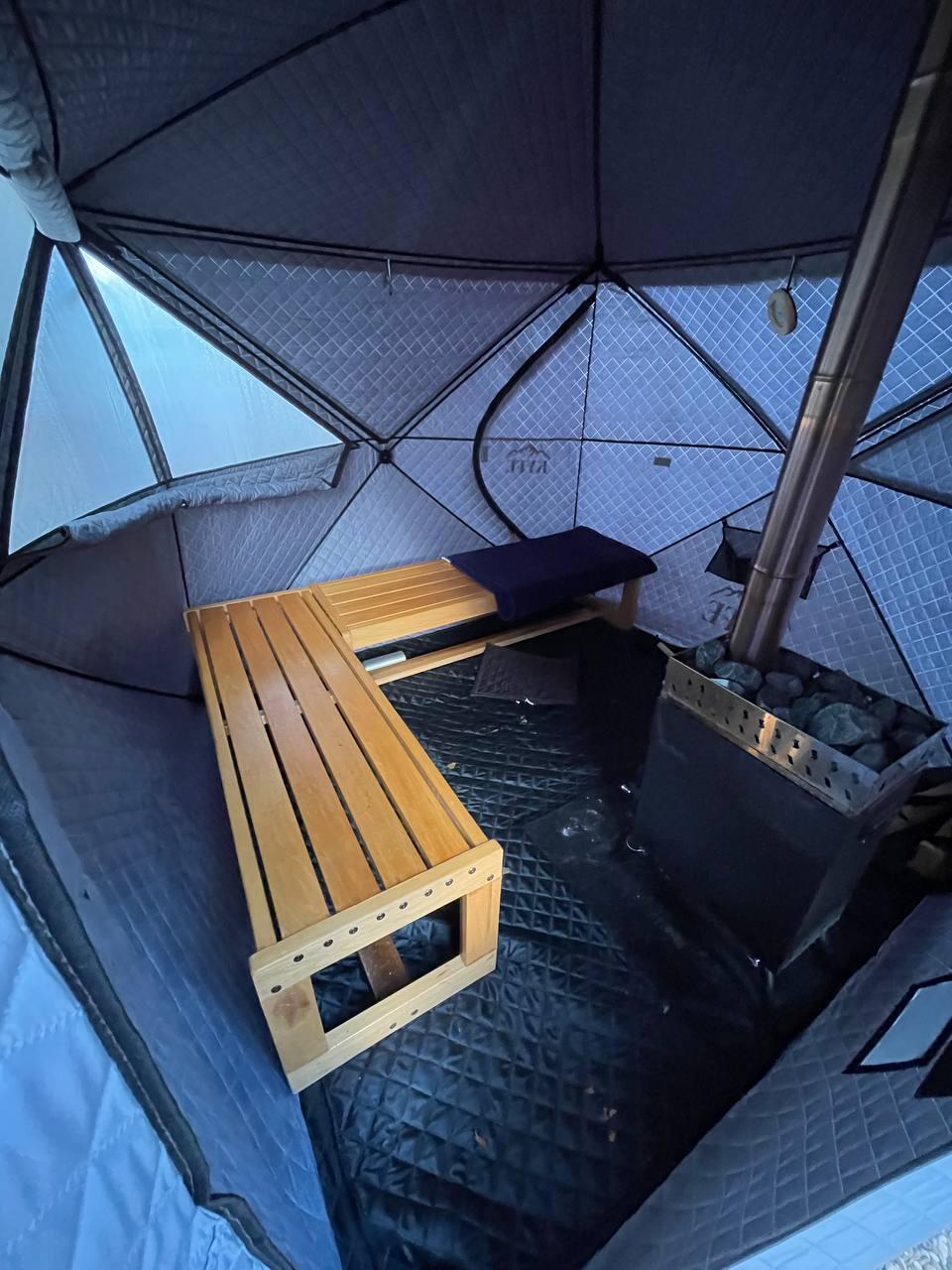
Interior layout. Sauna tents have elevated seating and benches to take advantage of heat stratification (hot air rises). Sizes range from mini 2 to 3 person layouts to large 6 to 8 person family configurations. Regular tents prioritize flat sleeping floor space.
-
Safety design. Proper clearances around the sauna stove, spark-proof panels, and fireproof floor mats handle the demands of water and hot rocks. A proper sauna tent needs specific ventilation openings for safe operation. Wood-burning sauna stoves require heat-resistant accessories and ventilation that regular tents simply do not have.
-
Engineering from the ground up. A camping tent sauna must be designed as a sauna tent from day one. Never retrofit a standard camping tent with a heater. The risk of fire, melting fabric, and carbon monoxide buildup is real.
Sauna Adventure: Why Bring a Sauna on Your Outdoor Trips?
A sauna adventure adds something to a trip that no other piece of equipment can. It turns a good camping trip into lasting memories. Here is how it fits into real outdoor adventures:
-
Recovery after big days. After a 10-mile hike or a long day of paddling, 15 to 25 minutes in a 180 to 200°F sauna tent loosens your muscles and joints. Research on passive heat therapy shows regular sauna use correlates with improved cardiovascular markers and reduced perceived soreness.
-
Sleep and stress. Imagine finishing a sauna session at dusk on a 3-night camping trip, then stepping out into cool night air surrounded by pines. That soothing warmth stays with you, so you relax faster and sleep deeper after the sauna session.
-
The social piece. Friends cycling between the sauna tent and a cold lake on a fall trip, sharing stories around the stove. That is the kind of night people talk about for years.
-
Four-season basecamp. From January snow camping to March shoulder-season rains, a camping sauna becomes the living room of your basecamp. When it is cold and wet outside, nothing beats stepping into a space that is 200°F and dry.
Types of Portable Saunas for Camping
Not all portable saunas are built the same. Here are the main categories:
-
Wood-fired portable sauna tents (KYFE style). Insulated fabric, folding frame, chimney, and rock basket. No electricity needed. Many portable sauna tents can reach temperatures over 200°F and deliver authentic Finnish steam. Sauna kits often include stoves and accessories for convenience, so you are not piecing together parts from five different vendors. These are the best portable saunas for camping use far from electrical hookups.
-
Infrared and electric portable saunas. These use infrared panels or small electric heaters. They are convenient near an outlet or camper van, but they top out at lower temperatures (often 110 to 150°F in real conditions) and you cannot throw water on rocks. No steam, no löyly. A different experience entirely. For a deeper breakdown, check out this wood-fired vs infrared vs electric sauna comparison.
-
Pellet-burning and overland sauna systems. Some people pair a tent sauna with off-road trailers or van builds for long road trips. An overland sauna setup adds weight and logistics, but it works well for multi-state adventures and extended basecamps.
-
KYFE's position. KYFE builds wood-fired sauna tent kits specifically for people who want real heat, real steam, and real portability. Portable sauna tents can heat up to 100°C (212°F), which is right in the traditional Finnish range.
How to Choose the Right Portable Sauna Tent Size
Size affects everything: heat quality, setup time, how many people fit, and how much space it takes in your vehicle.
-
Typical sizes. Portable sauna tents can accommodate 2 to 8 people depending on size. A mini tent works for solo or couples use. A large tent fits 6 to 8 people and turns every sauna session into a group event. Match the size to your typical trip crew.
-
Campsite footprint. A large tent might need an 8 by 8 foot clearing, plus room for your sleeping tent, fire ring, and cold plunge. At a tight campsite, a smaller tent is a great choice.
-
Heat performance. A smaller sauna tent heats faster, sometimes in 20 minutes, and burns less wood. A larger tent needs a bigger stove and more fuel, but it delivers better heat stratification and more bench space for everyone.
-
Packability. A large kit packs down to about 5 feet by 16 inches. That fits in a truck bed or on a roof rack easily. In a Subaru Outback, you might want the mini. Plan your packing around your vehicle and the rest of your camping equipment.
When in doubt, choose slightly smaller. You will use it more often because the setup, portability, and convenience are better.
Sauna Stove Basics: The Heart of Your Camping Sauna
The stove is the engine of your camping sauna. Getting it right means the difference between a lukewarm tent and a real sauna experience.
-
Wood-fired vs. other fuel types. A wood-fired sauna stove delivers the high, dry heat and steam that define a real sauna. Pellet or propane heaters exist, but KYFE focuses on wood for authenticity and performance. No outlet, no generator, no compromise.
-
Sizing the stove to the tent. The stove firebox volume and flue diameter need to match your tent volume. Too small and you will never hit 180°F. Too large and you risk overheating or creating safety issues. KYFE's stoves are designed to pair directly with their tent sizes.
-
Running the fire. Use kiln-dried hardwood or well-seasoned splits. Learn more about what type of wood to burn in a sauna. Fire building takes a little practice: start with kindling, build to larger pieces, and manage airflow with the damper. Once the rocks are hot, pour water for steam and enjoy the löyly. Dense igneous rocks are necessary for effective sauna heat generation. Sauna stones must be heated safely to avoid explosion hazards, so always use stones rated for sauna use (volcanic sauna rocks, not random river stones that could crack or pop).
-
Safety at the stove. Maintain clearances between the stove and tent walls. Use the spark arrestor on the chimney. Handle ash carefully and never leave the stove burning unattended. Careful management of fire safety is crucial in wood-fired sauna setups.
Planning a Sauna-Focused Camping Trip
Here is a concrete example: a 2-night October camping trip by a lake, built around heat and cold.
-
Pick the right location. Look for drive-in campsites, national forest clearings, or lakeshores that allow wood fire and have water access for cooling off. Regulations on wood stove usage in campsites typically vary by location, so check local rules before you go.
-
Packing checklist. Sauna tent, sauna stove, chimney sections, rock basket with stones, firewood (or plan to buy locally), benches, towels, sauna hat, slippers, cold plunge tub, bucket and ladle, a thermometer, and your regular camping gear.
-
Realistic timing. Portable saunas can heat up in 15 to 20 minutes. Plan for 10 to 20 minutes of setup, then 20 to 30 minutes of heating from a 40°F ambient temp to 180°F inside. Portable sauna tents can heat up to 200°F in 15 to 20 minutes once you get the fire dialed. Budget 1 to 2 full sessions the first evening.
-
Layer in other activities. Ski tour or hike in the morning, sauna and cold plunge in the afternoon, stargazing afterward. A sauna session at dusk is the perfect bridge between an active day and a quiet night. That is what turns a camping trip into a sauna adventure.
How to Set Up a Camping Sauna Tent Step by Step
Modern portable sauna tent frames are designed for speed. Setup time for sauna tents can be 5 to 15 minutes, and a sauna tent can be set up in about 10 minutes with a little practice. Setup time for portable sauna tents can be as quick as 10 minutes once you have done it a couple of times. Even on your first try, portable sauna tents can be set up in 10 to 20 minutes. For detailed visual instructions, check out the step-by-step setup guide.
-
Choose your site. Choose a flat surface for stable sauna tent setup. Stay several feet from trees, other tents, and anything flammable. Make sure the chimney has clear vertical space and consider wind direction.
-
Erect the frame and tent. Pop up or assemble the frame, drape the tent shell, stake out corners, and tension guy lines. In windy conditions, extra stakes and lines keep everything solid.
-
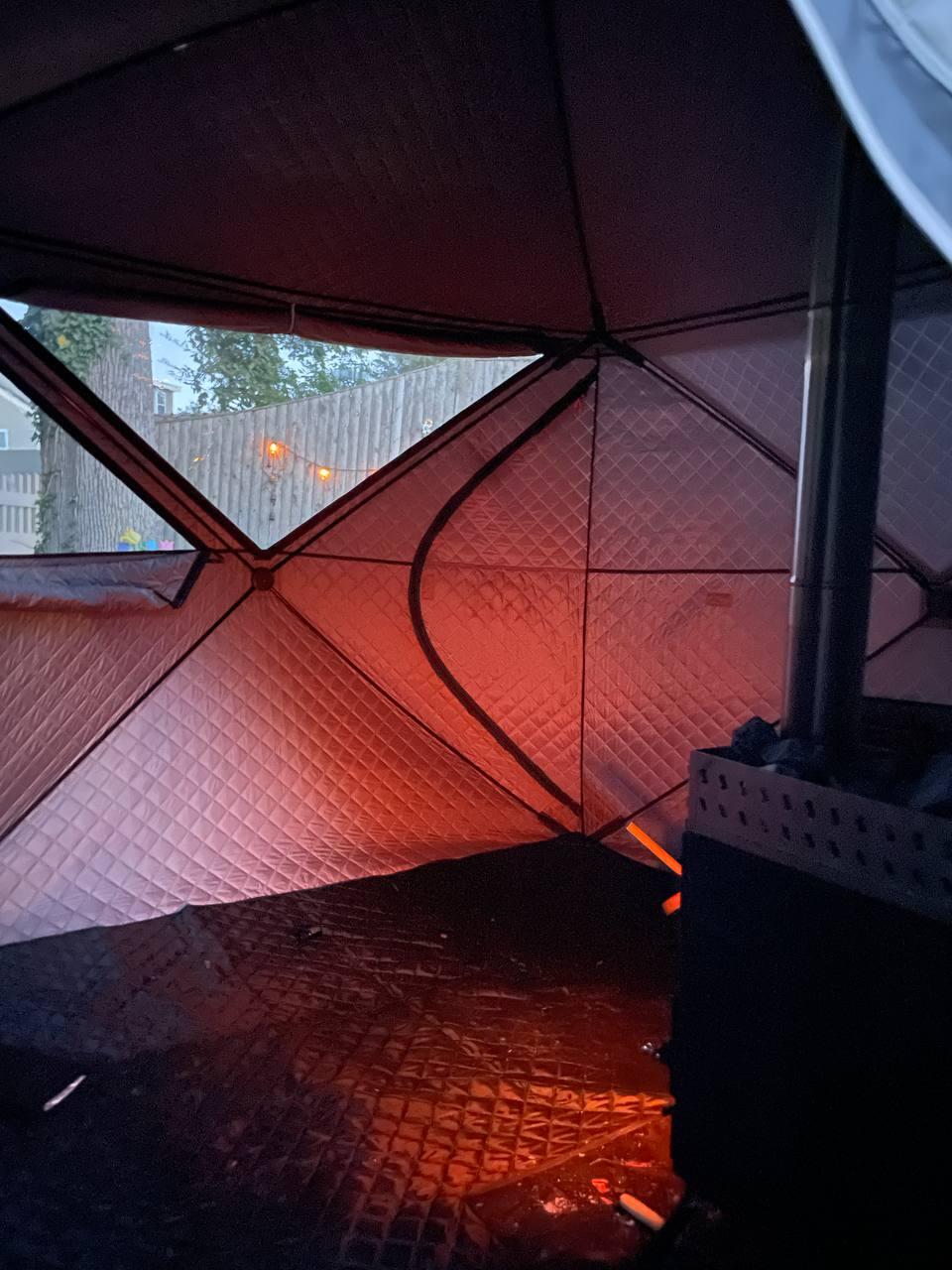
Install the stove. Place the sauna stove on its heat-safe base or fireproof floor mat. Attach chimney sections through the stove jack. Check that every section is snug and the spark arrestor is in place.
-
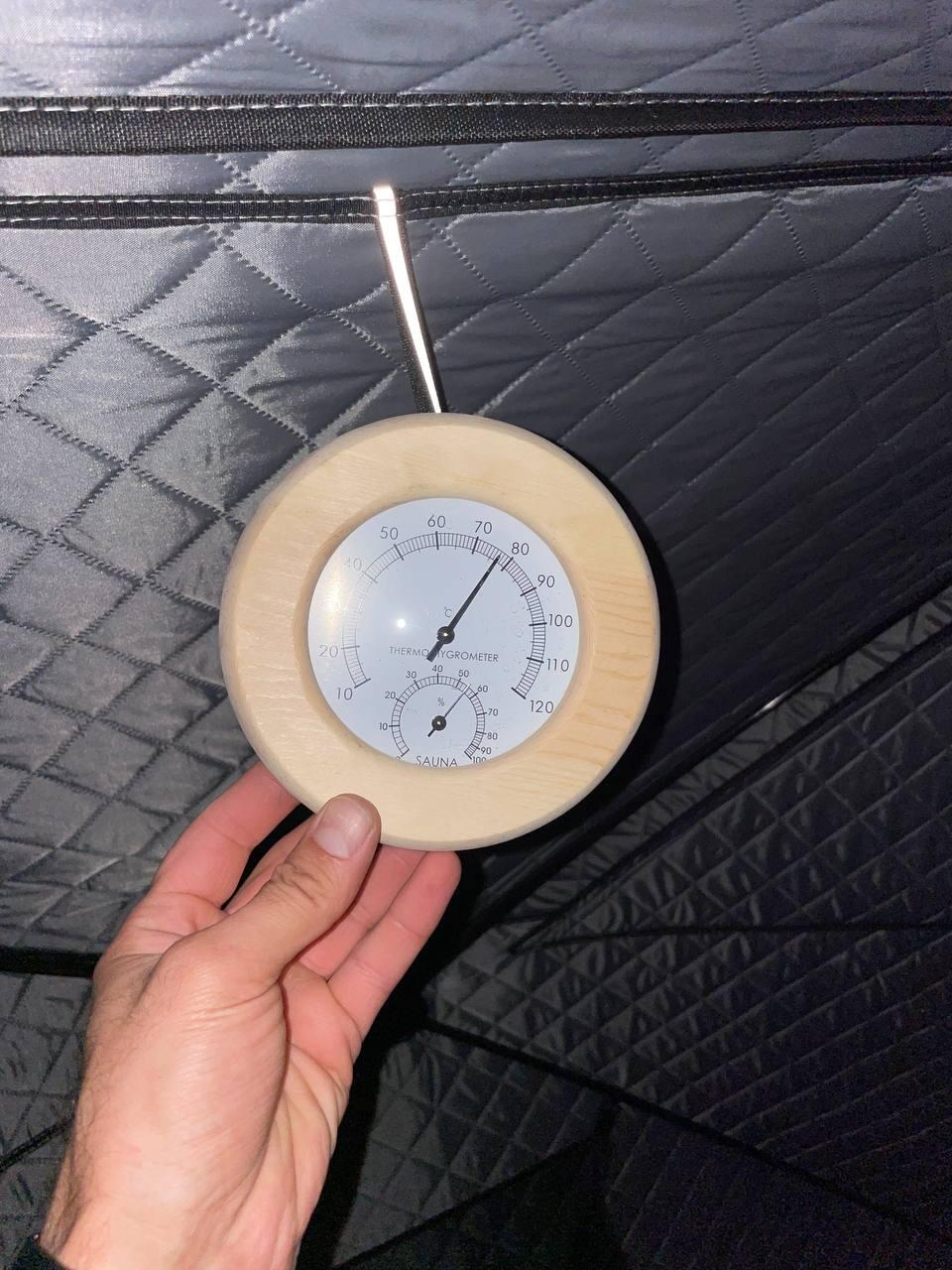
Set up the interior. Position benches for comfortable seating at the right height, hang the thermometer, place the bucket and ladle within reach, and load stones into the rock basket for even heat distribution.
-
Test fire. Light a small fire to check the draft and look for smoke leaks. Adjust the chimney or vents as needed before inviting anyone inside.
Safety First: Using a Camping Sauna Responsibly
A well-designed sauna tent and stove are safe when used properly. Here is your quick checklist. For a deeper dive, read Are Portable Saunas Safe?
-
Fire safety. Check local fire regulations before lighting up. Use a spark arrestor on the chimney. Clear the ground of dry brush, pine needles, and leaves. Keep a fire extinguisher or bucket of water within arm's reach. Cool ashes completely before disposal.
-
Ventilation and carbon monoxide. Never block air intakes. A wood fire produces carbon monoxide, so keep vents open and the chimney in good working condition. Know the symptoms of CO exposure: headache, dizziness, nausea. If anything feels off, step outside immediately.
-
Personal limits. Start with 10 to 15 minute sessions if you are new. Stay hydrated. Avoid alcohol before or during your sauna session. Adjust the intensity for kids, beginners, or anyone with heart conditions.
-
Weather awareness. Anchor guy lines firmly in strong winds. Avoid setup near dead trees that could drop limbs. During fire bans or extreme heat waves, skip the wood fire entirely. In winter, plan for extra wood and windbreaks.
Contrast Therapy on the Road: Sauna + Cold Plunge
Contrast therapy means alternating between hot and cold. Sauna experiences can be enhanced by alternating between hot and cold environments, and the combination is one of the most satisfying routines you can do outdoors.
-
Cold plunge options while camping. An alpine lake, a cold river, a snow angel in winter, or a portable cold plunge tub filled with cold water. KYFE includes a free cold plunge with their sauna tent kits, so you do not need to camp near water to make it work.
-
Sample protocol. Spend about 15 minutes in a 190°F sauna tent. Step into 45 to 55°F water for 1 to 3 minutes. Rest, warm up, and repeat 2 to 3 times. Learn more about structuring your sessions in this contrast therapy guide. Research tracking over 31,000 days of sauna and cold plunge use found that sauna alone produced strong improvements in heart rate variability and nightly heart rate, with cold plunge adding incremental gains.
-
Safety. Ease into cold exposure gradually. Do not hold your breath when you enter cold water. Never plunge alone in remote areas. Warm up fully afterward with dry clothes and a hot drink.
-
After big days. Use heat and cold cycles the evening after trail runs, ski tours, or long days of hiking and paddling. Sauna sessions can promote recovery and help reduce soreness for the next day. The relaxation alone is worth it.
Comparing Camping Sauna Tents vs. Other Portable Saunas
A camping sauna tent is the most versatile option for anyone who wants real Finnish steam on outdoor adventures. Here is how it stacks up:
-
Tent sauna vs. infrared portable saunas. Infrared units need electricity, max out at lower air temperatures, and cannot produce steam. You cannot pour water on infrared panels. They work fine indoors near an outlet, but they are not built for a campsite, a boat, or a clearing in the woods. Saunas can heat up to 100°C (212°F) in a proper wood-fired tent, well above what most infrared or electric setups achieve.
-
Tent sauna vs. permanent backyard or cabin sauna. A permanent sauna in your house or backyard gives you consistent heat and convenience for everyday use, but it costs more, requires permits, and stays in one place. A portable sauna tent can live on your deck most of the year and then ride to a trailhead on weekends. That dual-use flexibility is hard to match.
-
Overland sauna setups. People integrate tent saunas with roof-top tents, van builds, and trailers for multi-state road trips. The trade-offs are weight and logistics, but if you are already equipped for overlanding, adding a sauna tent is a natural fit.
-
KYFE's value. KYFE's wood-fired tent kits come with rock baskets, a free cold plunge, and all the accessories you need to start. Free US shipping, a 60-day return window, and responsive customer service make the purchase straightforward for people choosing their first sauna system.
Why Choose a KYFE Wood-Fired Camping Sauna Tent?
KYFE exists to bring authentic Finnish-style heat and outdoor wellness into everyday life. Not just spa days. Not just luxury cabins. Real sauna for real people in real places.
-
Design and performance. KYFE offers insulated, quick-setup tent options from mini (2 to 3 person) to large (6 to 8 person) that regularly reach 180 to 200°F in about 30 minutes, even on cold winter nights. The three-layer construction uses 420D Oxford Polyester with PFAS-free waterproof coating and cotton insulation. Some sauna tents maintain heat for up to 10 hours with proper thermal mass and insulation. Morzh tents can maintain warmth for up to 10 hours as well, but KYFE's insulated design, 360-degree windows, and locking stove legs set it apart. Saunas can maintain a comfortable temperature for up to 10 hours when the system is well-built and the stones hold their heat.
-
Stove and rock basket. A side-mount stone basket holding about 35 pounds of volcanic sauna rocks gives you generous steam whenever you pour water. The firebox is sized specifically for the tent. Durability and safety are built in with 430 stainless steel construction and a spark arrestor.
-
Complete kits. Tent, wood-fired sauna stove, chimney, rock basket, rocks, thermometers, gloves, floor mat, benches, bucket, ladle, sauna hat, and a free cold plunge. You can explore the full kit details here. You do not need to hunt for accessories separately.
-
Ownership experience. Warranty support, responsive customer service, and a 60-day trial window. Plus setup guides, buyer's guides, and content to help you get the most out of every sauna session from day one.
Final Tips for Your First Camping Sauna Experience
You have the knowledge. Here is your quick-start checklist for that first trip:
-
Do a shakedown run. Set up the tent in your backyard before your first big camping trip. Practice the setup, learn how the stove drafts, and figure out your timing. You will feel confident by the time you are at a campsite with friends watching.
-
Start mild. Your first few sessions do not need to be at maximum heat. Aim for 160 to 180°F and work your way up as everyone finds their comfort zone. The sauna experience gets better as you learn what feels right for you.
-
Pack smart. Extra towels, a simple analog timer, a basic thermometer, and a light headlamp for night sessions. Keep things simple.
-
Take notes. After the trip, jot down how much wood you burned, how long setup took, what worked and what you would change. That reflection fine-tunes every future sauna adventure.
The best camping sauna weekend is the one you actually plan. Pick a date, load the truck, bring your crew, and light the fire. You will wonder why you waited.
Sauna in Winter: How to Get the Most Out of Your Outdoor Sauna Sessions