

Key Highlights
-
The main difference between a wet and dry sauna is the humidity level; wet saunas are high-humidity, while dry saunas are low-humidity.
-
Dry saunas operate at higher temperatures (160-200°F), whereas wet saunas use lower temperatures (100-120°F) with moist heat.
-
Both sauna types share health benefits like stress reduction and improved circulation, but each offers unique advantages for skin and respiratory health.
-
Your personal preference for either a steamy, humid environment or an intense, dry heat will guide your ideal sauna experience.
-
Installation and maintenance vary, with dry saunas generally being simpler to install and maintain in a home setting.
Introduction
Are you looking to bring more relaxation and wellness into your life? The world of saunas has many health benefits. These include making your muscles feel better and helping you relax. When thinking about saunas, you may wonder how a wet sauna is not the same as a dry sauna. Knowing what happens in each sauna experience will help you pick what is best for your health goals. In this article, we will look at an a wet sauna and a dry sauna. This way, you can find the sauna experience that is right for you.
Understanding Saunas: The Basics
At its core, sauna use is a type of heat therapy. You sit in a special room so that your body temperature goes up. This process makes you sweat. It helps you relax, too. People have done this for many years because it brings many health benefits.
Picking the right type of sauna can shape your sauna experience. You may want steam, which feels gentle, or dry air, which feels much warmer. Each sauna gives a different feeling. When you know the difference, you can get more out of your wellness practices.
What Is a Wet Sauna?
A wet sauna, which people also call a steam room, uses moist heat to make a warm and humid environment. The big thing about a wet sauna is the high humidity level. This can even go all the way up to 100%. The steam in the air comes from a steam generator. It boils water and then lets the steam into the room.
A dry sauna works differently. A wet sauna runs at lower temperatures, usually between 100 and 120 degrees Fahrenheit. The thing that makes a wet sauna different from a dry sauna is this mix of lower heat and very high moisture. The air in a wet sauna can feel thick and heavy. But the good thing is, the experience is not as hot as other saunas.
This kind of humid environment feels soothing to many people. A wet sauna is a great choice if you like to feel wrapped in warmth but do not want the very high heat of other sauna types. When you walk into a wet sauna, it can feel like you are in a tropical rainforest.
What Is a Dry Sauna?
A dry sauna brings a totally different kind of heat into a room. It comes from Finnish traditions, and is a type of sauna where the room has wood walls. An electric or wood heater warms up some rocks. The rocks then send out dry heat all through the space.
The temperature in a dry sauna is much higher than what you get in a wet sauna. It usually goes from 160°F up to 200°F. But the humidity level is very low, about 10% to 20%. This makes the air crisp and hot. People inside will sweat a lot because of it.
Even though dry sauna gives a "dry" feel, there are some ways to use moist heat for a bit. In some traditions, people pour water on the hot rocks for a short time. This adds steam and raises the humidity for just a moment. People get a quick burst of moist heat, which can help increase their core body temperature before the space goes back to being dry again.
Quick Overview of Sauna Types in the United States
When you start looking into sauna use in the U.S., you will see a few main types of saunas out there. Each one gives you a different sauna experience, and each comes with a set of benefits. It is good to know the basics so you can pick the right one for you.
The most common options are traditional dry saunas and steam saunas, which people sometimes call wet saunas or steam rooms. Both use heat, but the way they handle humidity is not the same. This changes the way you feel inside.
There is also the infrared sauna, which is becoming more popular now. Here’s a quick breakdown:
-
Traditional Dry Saunas: Give high heat and have low humidity. This is good for a strong sweat.
-
Wet Saunas/Steam Rooms: Use less heat and have 100% humidity. You get a hot and steamy feel.
-
Infrared Saunas: Use infrared light to heat your body straight on, instead of just heating the room air.
These types of saunas each bring something new to the sauna experience. Now you know which ones are out there when you want to try sauna use for yourself.
How Wet and Dry Saunas Work
The main difference between a wet sauna and a dry sauna is in the heating method they use. This is what makes each sauna feel different. In a wet sauna, you get moist heat because there is a steam generator or someone pours water on hot rocks. A dry sauna is not the same. It uses electric heaters or a stove to warm the air. That gives you dry heat.
It helps to know how both of these work. When you know about the way the heat is made, you can better understand what this kind of heat will do to your body and mind. Next, let's look at how each heat source works in these saunas.
Source of Heat in Wet Saunas
The moist heat you feel in a wet sauna comes from one of two ways. The most common way is by using a steam generator. This machine makes water hot enough so that it boils. Then, it sends the steam into the closed room. This keeps the humidity at a high level during your sauna use.
The room fills up with warm, wet air, so it feels thick and steamy inside a wet sauna. The steam keeps the humidity at or near 100% the whole time you are in the sauna.
There is also another way to make steam in a wet sauna. This older way means pouring water over hot rocks that sit on a stove or a heater. When the water hits the rocks, it turns into steam right away. That strong steam makes the humidity level inside go up fast.
A wet sauna gives you high humidity and warm, moist heat every time you use it, no matter which method you choose.
Source of Heat in Dry Saunas
The heat in a dry sauna comes from a strong stove. This stove can use electricity, wood, or gas to work. It heats up a pile of rocks until they are very hot. These hot rocks do not make steam. They give off strong, dry heat that fills the wooden room.
This makes the air inside go up to a high temperature, usually between 160°F and 200°F. The aim is to have a hot, dry place that makes people sweat a lot. A dry sauna stands out for its low humidity level, which is a big part of the whole sauna experience.
Because the main heat is from the rocks and the hot air, the humidity in the room stays low. This usually means the humidity is less than 20%. Using dry heat, this kind of sauna gives you a different feeling than a wet sauna, which has more moisture in the air.
Temperature and Humidity Differences
The most significant distinction between these two sauna types lies in their temperature and humidity levels. A dry sauna is defined by its high temperature and very low humidity, creating an environment that feels like a desert heat. This is why the temperature is higher in dry saunas than wet saunas.
In contrast, a wet sauna operates with much lower temperatures but with humidity at its peak. This combination of moderate heat and 100% humidity creates a completely different sensation on your skin and for your respiratory system. Your body temperature still rises, but the feeling is gentler and more enveloping.
Here is a simple comparison:
|
Feature |
Wet Sauna |
Dry Sauna |
|---|---|---|
|
Temperature |
100-120 degrees Fahrenheit |
160-200 degrees Fahrenheit |
|
Humidity Level |
Up to 100% |
10-20% |
Wet vs Dry Sauna Benefits
Wet and dry saunas both have great health benefits. Both types can help you relax. The sauna experience is good for your heart and may even help boost your immune system. While they share some positive effects, each one has its own special environment and offers unique advantages.
Knowing these differences can help you pick the sauna that matches your wellness goals. Some people want help with breathing, while others want to detox more deeply. One sauna experience may suit you better depending on what you need. Let’s look at the health benefits these saunas share, as well as what makes each type unique.
Shared Benefits of Wet and Dry Saunas
It does not matter if you like a hot, steamy place or a dry one. Regular sauna use can give you many good health benefits. The heat in the sauna will help your muscles relax. It can take away stress and make you feel calm after a long day.
One big thing that happens is better blood flow. When you sit in the heat, your blood vessels get bigger. This lets your blood move more easily all over your body. It helps with muscle recovery after you work out and can lower swelling. You also may see your metabolic rate go up for a short time.
Here are some of the main health benefits you get with regular sauna use:
-
Promotes deep relaxation and stress relief.
-
Supports detoxification by inducing sweat.
-
Improves cardiovascular health and circulation.
Unique Health Benefits of Wet Saunas
The high humidity you get in a wet sauna has special health benefits you won’t find in a dry sauna. This moist heat is good for your skin. It helps keep it hydrated and can make you look more fresh.
The steamy air is also great if you have respiratory issues. Breathing in warm, moist air can help open up your airways. It can clear up congestion and calm down your nose if it feels irritated. Some studies say it could help people with asthma or long-term bronchitis. A wet sauna does need more care though. Because of all the moisture, you have to clean more often and watch for mold.
Here are the health benefits of a wet sauna:
-
Hydrates skin and opens pores.
-
Soothes the respiratory system and clears congestion.
-
May help lower blood pressure and improve immune system function.
Unique Health Benefits of Dry Saunas
The dry heat in a dry sauna has many health benefits related to cardiovascular disease you might like. The air does not have much moisture, and most people feel better in it. It also lets you stay at higher temperatures and get what feels like a strong detox.
A dry sauna gets hot, and this high temperature is good for your blood circulation and blood flow. Your body gets more oxygen and things it needs to heal and recover your muscles. Some research says dry heat can also help your skin bounce back and may help fix some skin conditions.
Here are some health benefits of using a dry sauna versus a wet sauna:
-
May help boost metabolism, aiding in weight loss efforts.
-
Provides a more comfortable heat for those sensitive to humidity.
-
Improves skin elasticity and promotes faster muscle recovery.
Sensory Experience: Comparing Wet and Dry Saunas
Other than the health benefits, the way a wet sauna feels is very different from the dry heat of a traditional sauna. Each type of sauna gives you a unique atmosphere, and people will like one or the other based on what they want. The heat in the room, the quality of the air, and how your body reacts are not the same. All of this adds to how you feel in the sauna.
Picking between a dry sauna and a wet one is mostly about what type of sauna you enjoy more. Think about which environment helps you relax and feels good to you. Let's talk about what it is like to be in each kind, so you can choose based on your own experience.unique experiences.
Atmosphere and Environment in Wet Saunas
When you walk into a wet sauna, you step into a warm, soft mist. The air has a lot of water in it, and the feeling can be cozy and gentle all around you. This humid environment is like a steam bath or a tropical rainforest.
The way a wet sauna feels is calm and comforting. The moist heat moves into your skin, but it does not have the harsh feeling you get in a dry sauna. These rooms are often covered with tile or acrylic. They can handle a lot of water, and this helps the steam room look and feel like a nice place in a spa.
The moist environment in a wet sauna is very different from the crisp, woody air you get in a dry sauna. If you like steam and warm air that wraps around you, you will find a wet sauna or steam room to be the most relaxing place.
Atmosphere and Environment in Dry Saunas
The air in a dry sauna is hot and very dry. When you come in, you feel the heat moving off the wooden walls and the hot rocks. The room gives you a cozy environment that is rustic and feels like a long-standing tradition. The air is crisp and has low humidity. Because of this, the heat is strong and direct.
People say the unique atmosphere of a dry sauna can be energizing. In a dry sauna, your skin feels hot and dry right away. Your body starts to sweat a lot very quickly. This clean and intense dry heat is what many people like about the classic sauna experience. It is different from a wet sauna, where the air is more humid.
The wood inside, often cedar or hemlock, makes the room feel natural and calming. This is the chance for you to relax and let your body feel the full effect of the heat. The atmosphere is set for quiet time and to help you let go of stress.
How Each Sauna Type Feels During Use
The way you feel in a wet sauna and a dry sauna is not the same. These feelings happen because your body reacts to humidity in different ways. In a wet sauna, the air has 100% humidity. This stops your sweat from drying off your skin. You may feel like you are sweating a lot the whole time, and even lower heat can seem stronger because of this.
When you sit in a dry sauna, there is a lot of heat and almost no moisture in the air. Your body temperature rises fast. This makes your sweat glands work harder. The sweat from your body disappears in the air so you feel cooler. Both a wet sauna and a dry sauna can make your heart rate go up. You can use both for relaxation and mental health.
Here is what you might feel that is different in each:
-
Wet Sauna: The air feels thick with steam. Heat feels softer, and sweat covers your skin. You may feel the warmth going deep inside you.
-
Dry Sauna: The heat is sharp and strong. You will sweat a lot as your body tries to cool down.
-
Mental Health: Both help you relax. Some like the steam, some like the strong heat. It depends on what you want and what feels best for your mental health.
Sauna Sessions: Recommendations and Best Practices
To get the most out of your sauna experience, you need to use the sauna in a safe way. Choose a wet or dry sauna that works best for you. It’s important to listen to your body and know your limits. This helps you get the health benefits and avoid any problems.
Regular sauna use can be good for your body and mind. If you want to add it to your wellness practices, start slow. Follow the advice on how long to stay inside the sauna. If you have health conditions, be extra careful. Now, let’s talk about how long your session should be and what you can do to stay safe.
How Long to Stay in a Wet Sauna
When you use a wet sauna, you should go with what feels right to you and what you can handle. The lower temperatures in a wet sauna can let some people stay inside longer. Still, it is important to be careful, because the high humidity can be strong.
If you are new to a wet sauna, it's good to start with a short session. This helps your body get used to the feeling of the moist heat. When you get more used to the wet sauna, you can be in it for a longer time.
Here are a few easy tips for sauna use in a wet sauna:
-
Beginners: Start with sessions that last from 5 to 10 minutes.
-
Experienced Users: Most sessions are between 15 and 20 minutes.
-
Listen to your body: Leave the wet sauna right away if you get dizzy, feel sick, or it is not comfortable for you.
How Long to Stay in a Dry Sauna
The high temperature in dry sauna sessions makes it important to watch your time. The heat makes your sweat glands work harder, so staying too long can make you get dehydrated.
If you are new to regular sauna use, you should keep your first visits short. This is true for a wet sauna too. Just a few minutes in the dry sauna is enough when you begin. You can slowly get used to it and stay longer over time.
Here are some tips to help you have a safe dry sauna experience:
-
Beginners: Stay in for only 5-10 minutes.
-
General Recommendation: Don't spend more than 15-20 minutes in one dry sauna session.
-
Cool Down: Take a break to cool off between your sessions if you are going to do more than one.
A dry sauna can be a good way to relax when you use it the right way. This helps you avoid problems like your body getting too hot or losing too much water.
Tips for a Safe and Enjoyable Sauna Session
To make sure that the dry sauna experience or other sauna use is both safe and good for you, you must follow a few easy steps. The most important things are getting ready for the sauna and paying attention to how your body feels. These rules work for both dry and wet saunas.
Drinking enough water is very important. The body gets rid of a lot of water when you sweat, so you should drink water before, during, and after you use the sauna. Do not use detox drinks with diuretics because they can make you lose more water and get dehydrated. If you are healthy, using the sauna every day can be okay, but check with a healthcare provider if you have any worries.
Here are some key tips for your wellness practices:
-
Hydrate well with water.
-
Avoid alcohol before and during your sauna use.
-
Shower beforehand to clean your skin.
-
Listen to your body and leave if you feel unwell.
-
Cool down gradually after your session.
Suitability and Safety: Choosing the Right Sauna for You
Choosing the best sauna type depends on your personal preference, any health conditions you have, and what health benefits you want. The sauna experience that works well for one person might not be right for someone else.
When you think about your own needs, you can pick a sauna that helps you feel good and stay safe. Now, let’s look at some common situations to see which sauna may be the best fit for you.
Considerations for People with Respiratory Issues
If you have respiratory issues, picking the right type of sauna is important. A wet sauna gives you a warm, humid environment. This moist air can hydrate your breathing passages. It helps loosen mucus so it's easier to breathe.
Using a wet sauna can be good for people with asthma, chronic bronchitis, or sinus congestion. Studies show regular use might help improve how your lungs work. Still, if you have some medical conditions, like pulmonary disease, you should talk with your doctor before using a sauna.
For those with respiratory issues, keep these things in mind:
-
Wet Saunas: May help open airways and clear mucus from your chest.
-
Dry Saunas: May work better if you do not like high humidity or it makes you feel worse.
-
Medical Advice: You should ask your doctor to make sure it is safe for you to use both wet saunas and dry saunas.
Optimal Sauna Type After Exercise
Using a sauna after workout is a good way to help your muscles recover. Both dry sauna and a wet sauna can work well. The heat therapy from saunas can boost blood flow. This gives more oxygen to your tired muscles and can make them hurt less.
The choice you make between dry sauna and wet sauna after you exercise depends on what you like. Dry sauna has strong heat that can help muscle pain and make your endurance better. That is why many athletes like it. A wet sauna has warm steam and can also be great for recovering after working out and for relaxing.
When you think about which sauna to use after you finish your workout:
-
Dry Saunas: Great for going deep into muscles and helping with pain.
-
Wet Saunas: Brings a softer heat that feels nice, helps your body recover and can lower blood pressure.
-
Your Preference: The best sauna experience is the one you enjoy and will use every time.
Precautions for Sauna Use
While sauna use is safe for most people, you should take care, especially if you have health problems. The heat can change your heart rate and the way your blood vessels work, so be careful and listen to your body.
Health experts, like those from the Cleveland Clinic, say people with some health conditions should talk with their healthcare provider before using a sauna. This is a must for those with high blood pressure that isn’t stable or if you have serious heart disease.
Always keep these tips in mind:
-
Avoid saunas if you have had a recent heart attack or stroke.
-
Do not drink alcohol before or during a sauna session.
-
Consult your doctor if you are pregnant, have epilepsy, or have heart disease.
-
If you feel dizzy, weak, or unwell at any point, exit the sauna immediately.
Sauna Installation and Maintenance for U.S. Homes
Adding a sauna to your home is a great way to feel good and take care of yourself. But you also need to think about how to put the sauna in and how to take care of it over time. How you set up your sauna and keep it working well can change a lot based on the types of saunas you pick.
When you know what goes into both putting in and caring for your sauna, you will be able to pick a sauna that fits the space you have, what you can spend, and the way you live. Let’s look at what you need to expect about the sauna experience and types of saunas.
Installing a Wet Sauna at Home
Putting in a wet sauna at home is often harder than setting up a dry sauna. The big reason is that you need to handle a lot of moisture in this type of sauna. You have to make sure the room is both waterproof and airtight to hold the steam well.
One important part is the steam generator. The steam generator needs a water line for supply and also needs electrical wiring. Many times, this means you will need a pro to help with plumbing and electrical tasks. For this type of sauna, the room should be made from materials that can deal with high moisture content over time. Some good options are tile, glass, or acrylic. These do not get mold or water damage as fast as other things.
Since wet sauna installation comes with these extra needs, this project is more involved and can be more expensive than a dry sauna. You need to plan with care so sauna use stays safe and works well for years.
Installing a Dry Sauna at Home
Setting up a dry sauna in the home is simple for most people. Homeowners usually pick dry saunas because they are common and easy to set up. Most dry saunas come as kits and they are made for fast assembly. You will not have to deal with plumbing. This cuts down on work and time.
For the dry sauna, you need a special power source for the electric heaters. An electrician can take care of this without much trouble. The low humidity level in the dry sauna means you don't have to worry as much about water or moisture problems. The traditional wood parts are also easier to build.
This low humidity, and the way the dry sauna is built, help more people get a good sauna experience at home. For anyone thinking about which type of sauna to put in their house, dry saunas are the easier kind to install.
Maintenance Requirements for Each Type
The maintenance requirements for wet and dry saunas differ significantly, primarily due to moisture. A wet sauna, with its constant steam, demands more rigorous cleaning to prevent the growth of mold and mildew. The steam generator may also require occasional descaling, similar to other water-based appliances.
A dry sauna is much easier to maintain. Because of the dry heat, the main task is simply wiping down the benches and floor after sauna use to clean up sweat. Regular airing out is also recommended to keep the wood fresh.
Here’s a comparison of typical maintenance requirements:
|
Aspect |
Wet Sauna Maintenance |
Dry Sauna Maintenance |
|---|---|---|
|
Cleaning Frequency |
High (regular cleaning to prevent mold) |
Low (wipe down after use) |
|
Moisture Management |
Crucial; requires good ventilation |
Minimal; air out occasionally |
|
Heater Maintenance |
May need to descale steam generator |
Check electric heaters and rocks periodically |
Why KYFE Sauna May Be Your Best Choice
When you look for the right home sauna, you want a brand that gives you good quality and real sauna experience. KYFE Sauna has models that focus on your comfort and help you enjoy the health benefits of sauna use at home. They build every sauna with care and make sure you get great customer service, so your path to feeling good at home is easy and enjoyable.
When you choose KYFE, you put your health first with a team you can count on. They know that getting a sauna is not just a buy. It is a way to start a more relaxed and healthy life. That is why KYFE walks with you at every step to help you find the sauna that fits your needs and goes beyond what you think it will be.
Features and Benefits of KYFE Sauna
At KYFE, we work hard to give you a great sauna experience. We use high-quality materials, so every sauna is both strong and looks good. The design will fit in any home. With our types of saunas, you can relax and enjoy the health benefits the sauna brings.
We also care a lot about our customer service. Our team is there to help you from the time you ask about the sauna, all the way after it is set up in your place. We keep things simple when it comes to installation and any upkeep, so you spend more time enjoying your wellness space and less time worrying.
With a KYFE Sauna, you'll get:
-
Premium craftsmanship for a long-lasting, beautiful sauna.
-
Simplified installation and maintenance processes.
-
Dedicated customer service to support your entire sauna journey.
How KYFE Addresses Wet vs Dry Sauna Preferences
Choosing between a wet sauna and a dry sauna comes down to personal preference—and with KYFE, you don’t have to choose just one. KYFE saunas are designed to give you full control over your heat and humidity, so your sauna experience matches how you want to feel every session.
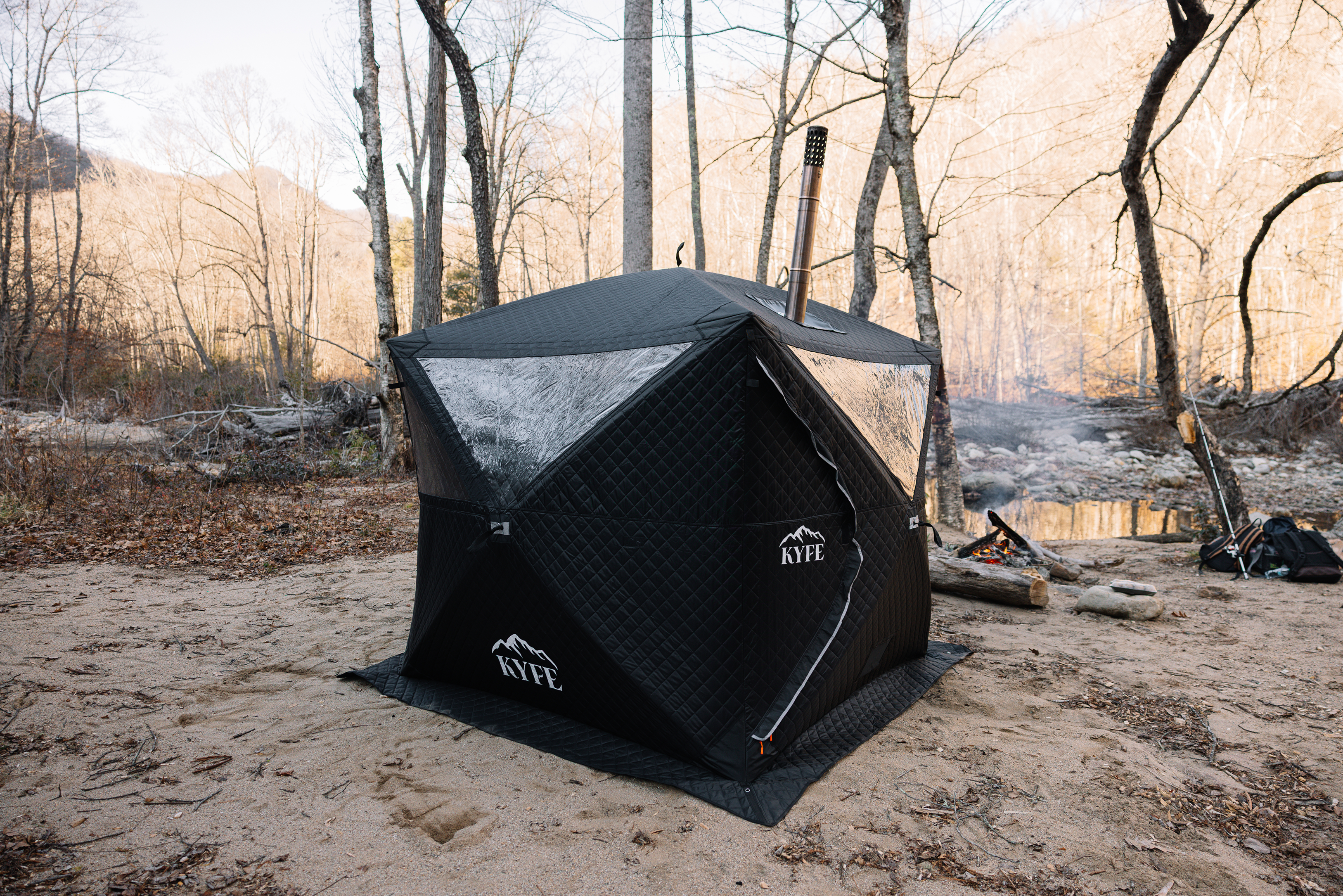
KYFE’s traditional wood-burning sauna design allows you to enjoy classic dry heat or introduce steam by pouring water over the heated stones. This gives you the flexibility to move between a low-humidity dry sauna and a higher-humidity steam experience using the same sauna. Whether you prefer deep, penetrating heat or a softer, more humid session, KYFE adapts to you.
Every KYFE sauna is built with wellness in mind. You can customize each session based on your recovery goals, relaxation needs, or daily routine—without sacrificing authenticity or performance. This flexibility makes KYFE ideal for those who value both traditional sauna culture and modern versatility.
When you choose KYFE, you’re not settling for one type of sauna. You’re investing in a high-quality, wood-fired sauna that gives you the freedom to experience heat the way it was meant to be—on your terms.
Conclusion
Understanding the difference between wet and dry saunas can help you get more out of your wellness routine. Wet saunas offer higher humidity and gentler heat, while dry saunas deliver intense, restorative warmth. Both provide powerful benefits, and with KYFE, you can experience both in one traditional sauna.
KYFE Saunas are thoughtfully engineered for comfort, performance, and flexibility, making them an excellent choice for anyone looking to elevate their sauna practice. Discover the benefits of authentic sauna heat and start your journey toward better health, recovery, and relaxation with KYFE.
Frequently Asked Questions
Can you use wet or dry saunas every day?
Yes, for most healthy people, using a sauna every day is safe. It is good to keep sessions short, about 15-20 minutes. Make sure you drink enough water, and listen to what your body tells you. If you have health conditions, talk to your doctor first before you add sauna use to your daily wellness practices.
Is temperature higher in dry saunas than wet saunas?
Yes, dry saunas have a much higher temperature. They usually be between 160°F and 200°F. Wet saunas use lower heat, often about 100°F to 120°F. The humidity level in wet saunas is at 100%, so it makes the heat feel very intense on your body temperature.
Which sauna is easier to maintain and install at home?
A dry sauna is usually easier to set up and take care of. You do not need any plumbing for the installation. Because there is low humidity in the dry sauna, you have less chance of mold growing. A wet sauna needs a steam generator and a room that is waterproofed. This makes a wet sauna harder to look after.

What Type of Wood to Burn in a Sauna? A Complete Guide
The Benefits of Using Eucalyptus Oil in a Sauna Tent